

Most briefs assume the audience doesn't know enough, doesn't care enough, or hasn't seen the right message yet. The campaigns in this guide start from a different diagnosis. The audience already knows. They already want to. The thing stopping them isn't ignorance — it's the cost of being seen doing it. Awkwardness. Guilt. The fear of overstepping. The vague, persistent feeling that this particular behaviour, choice, or identity is somehow not quite right. The brand's job in those cases isn't to inform or persuade. It's to say: permission granted.
Here are five creative tactics from the Change Behaviour Engine that remove the friction standing between an audience and what they already want to do.
- Permission to Stop Hiding
- Permission to Be More Fully Yourself
- Permission to Choose the Unconventional
- Permission to Care About What Gets Suppressed
- Permission to Be Ridiculous
1. Permission to Stop Hiding
Name the behaviour the audience is already doing but pretending not to — and make the pretending unnecessary.
Get Comfortable — Andrex, FCB London, 2024
Everyone knows toileting is a universal bodily function. The problem is that culture still treats it as awkward, shameful, and best left unspoken — which means an entire category of products exists in permanent denial about what it's actually for. Andrex built a platform around the frank acknowledgement of that reality. Executions like First Office Poo turned the near-universal anxiety of public or workplace toileting into a moment of release and recognition, using humour and confidence to make honesty feel easier than avoidance. The campaign didn't reposition the product. It gave an entire nation permission to stop pretending a basic human experience was socially dangerous — and in doing so, gave the brand a cultural role no competitor was willing to claim.
Mucinex's #SuperSickMonday (McCann, 2018) built an integrated campaign around the Monday after the Super Bowl — citing research that 13.8 million Americans planned to call out of work that day — and used the hashtag to own a cultural truth that everyone recognised, but (again) one that no brand had willingly named. The brand made honesty feel easier than denial.
2. Permission to Be More Fully Yourself
Remove the social penalty attached to visible confidence, ambition, or identity — and the audience will do the rest.
So Win — Nike, Wieden+Kennedy, 2025
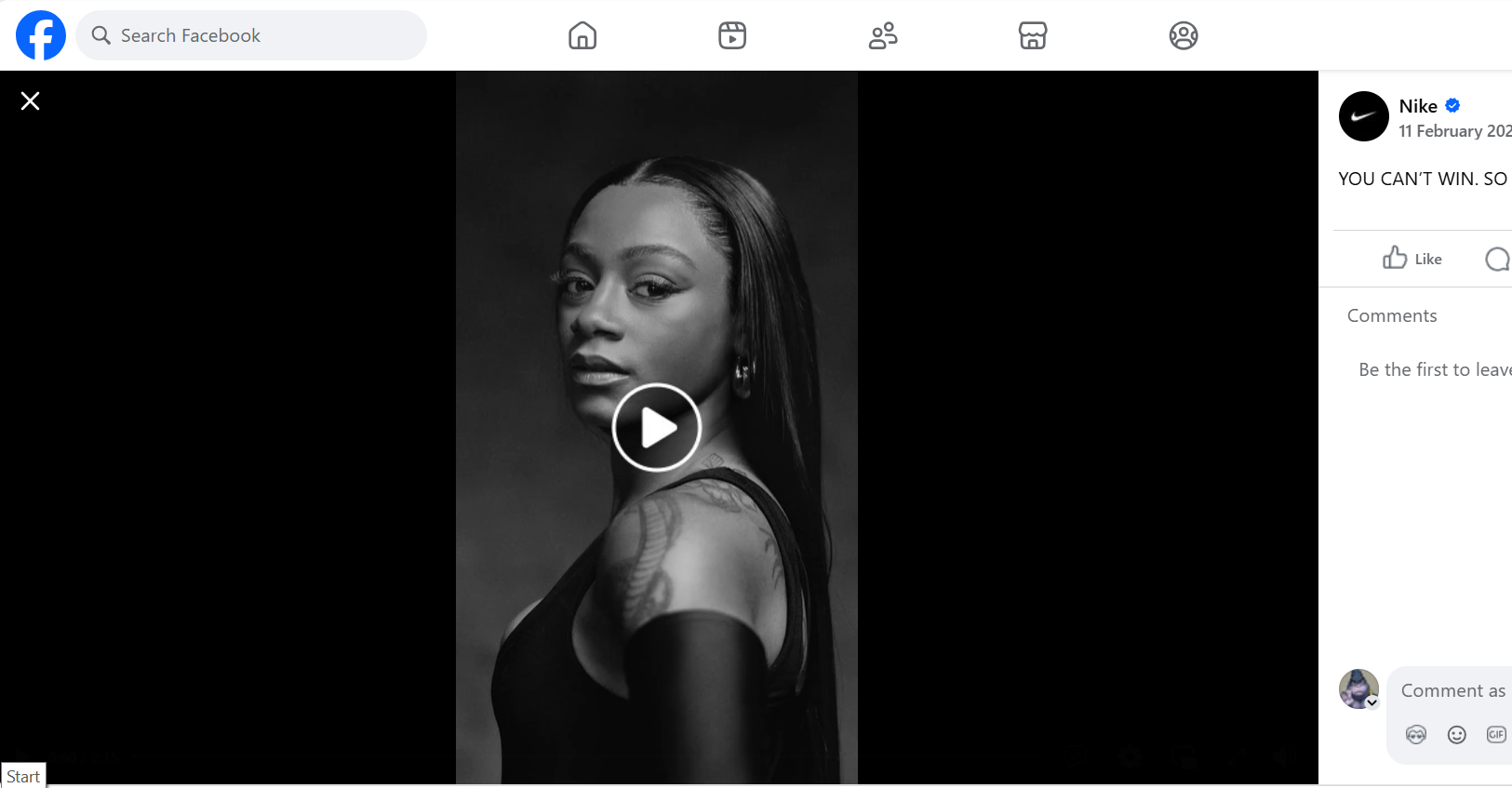
Female athletes are routinely told to win — but not too aggressively. To lead — but not too loudly. To compete — but to remain likeable while doing it. Nike's So Win anthem removed that contradiction entirely. Featuring high-profile women athletes, the film framed dominance, self-belief, and visible confidence not as personality flaws to manage but as legitimate expressions of competitive ambition. The brand didn't manufacture a new attitude — it backed one that already existed and had been underserved. The result was a brand that felt genuinely aligned with the audience's actual experience.
Nissan Saudi Arabia's #SheDrives (TBWA\RAAD, 2018) understood that Saudi Arabia's legal decision to allow women to drive didn't instantly create cultural comfort — women needed visible social approval as well as legal permission. The campaign surprised women with driving lessons and captured the reactions of male relatives and instructors, turning private acceptance into public endorsement. Legal change and cultural permission are different things. The brand closed the gap.
3. Permission to Choose the Unconventional
Make the unusual option feel sensible, admirable, or even obvious — and the social risk of choosing it disappears.
Improbable Housemates — MEO, Dentsu Creative Portugal, 2024
Living with a stranger from a different generation sounds, to most people, like something you do when you have no better options. MEO reframed it as something progressive, generous, and mutually beneficial — launching a platform connecting students who needed housing with older people experiencing loneliness, against the backdrop of Portugal's real housing and demographic pressures. The campaign used an emotional launch story to make the arrangement feel not just practical but admirable. Both groups were given permission to see an unconventional choice as something worth choosing deliberately rather than something to be embarrassed about having arrived at.
Volvo's Roam Delivery (OgilvyOne London, 2016) used connected-car technology to allow deliveries directly into a customer's car — 92% of pilot participants found it more convenient than home delivery. The campaign gave people permission to trust the system and stop organising their day around being physically present. The Czech Insurance Association's National Delay Day (McCann Prague, 2024) symbolically paused a country to make slowness feel responsible rather than weak — attacking the social pressure that makes dangerous driving feel necessary.