

Crowd Commerce starts with an audience that already cares, and already has networks of its own and a campaign mechanic designed to make participation feel like the obvious thing to do. Here are eight creative tactics from The Commerce Engine that help you do just that:
- Give Them the Tool, Keep the Credit
- Post to Earn
- Gate the Experience Behind a Transaction
- Your Fans Are the Media Buy
- Let the Crowd Name It
- Hijack an Identity
- Prove You Love It to Earn It
- Buy Together, Belong Together
1. Give Them the Tool, Keep the Credit
Build something genuinely useful for your audience's own goals — and let their network see your brand inside it.
Car Commercial to Go — Centraal Beheer, DDB & Tribal Amsterdam, 2018
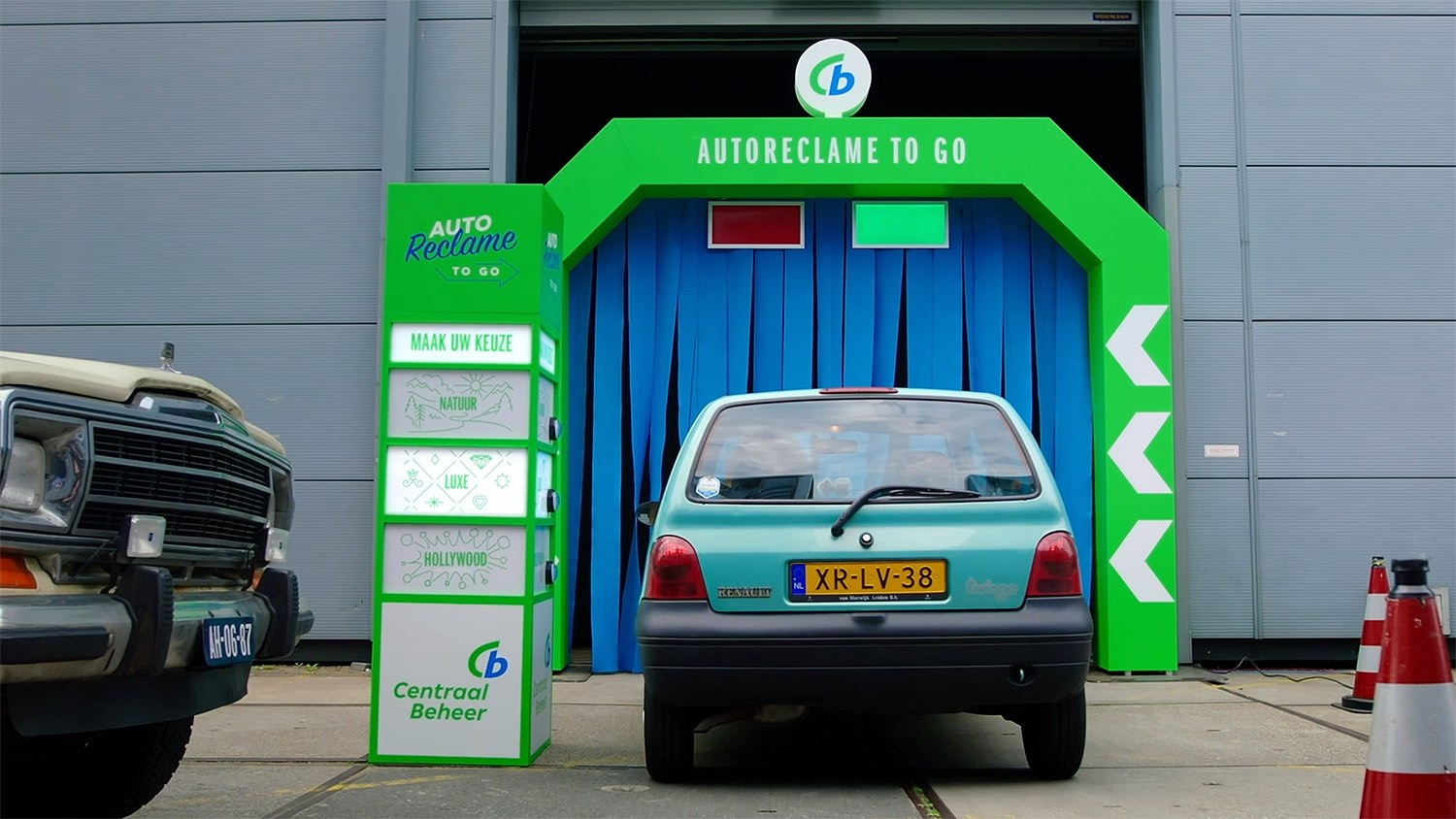
Dutch car sellers needed one thing to stand out on Marktplaats and AutoTrader: a professional commercial. Centraal Beheer built them a drive-thru studio disguised as a car wash. Sellers chose a theme — Nature, Hollywood, or Luxury — drove in, and within 40 seconds, with five projector screens, three automated cameras, and a live voice actor, drove out with a polished, personalised car commercial. Every ad ended with the Centraal Beheer message. Sellers shared their commercials across every online marketplace they used. 40 million impressions. 500 cars sold. 25% brand preference increase within one week.
Corona Tropical's 5,038 Influencers (Bombai, 2022) needed to launch a hard seltzer in Ecuador where nobody knew what it was. Post an Instagram story, receive a can. 5,038 stories generated. Category education at scale, at the cost of the product itself. The tool was the sample; the story was the ad.
2. Post to Earn
Make content creation the transaction — the post IS the currency, not proof that it happened.
5,038 Influencers — Corona Tropical, Bombai, 2022
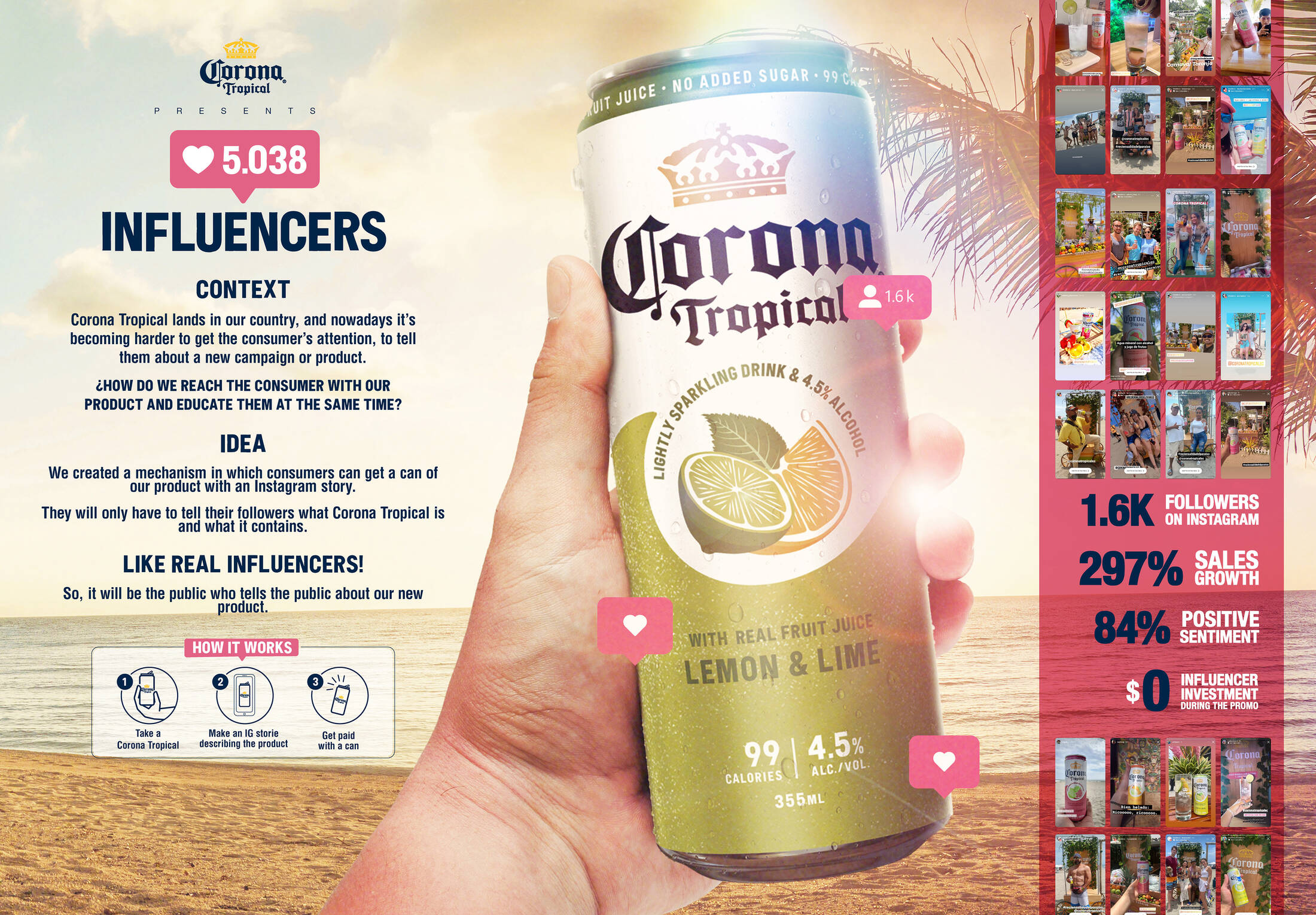
Corona Tropical had a problem specific to Ecuador: a new hard seltzer category that nobody knew existed, and a product that everyone assumed was a beer. No media budget to explain it. The fix: post an Instagram story about Corona Tropical, receive a can. No follower minimum. No approval process. Anyone. 5,038 people participated, generating 5,038 unique pieces of content that educated their personal networks about a new product category. The content was both the transaction and the campaign.
McDonald's Philippines' Unbranded Menu leaned on the same logic from a different direction: the brand's products had become so culturally embedded that customers ordered by their own names for them rather than the official menu titles. McDonald's collected those names, printed the unbranded menu, and the crowd's own language became the campaign.
3. Gate the Experience Behind a Transaction
Make an extraordinary participation offer accessible only to those who buy first — and let the experience become the incentive.
The Fanager — GAIS Football Club, Milk, 2020
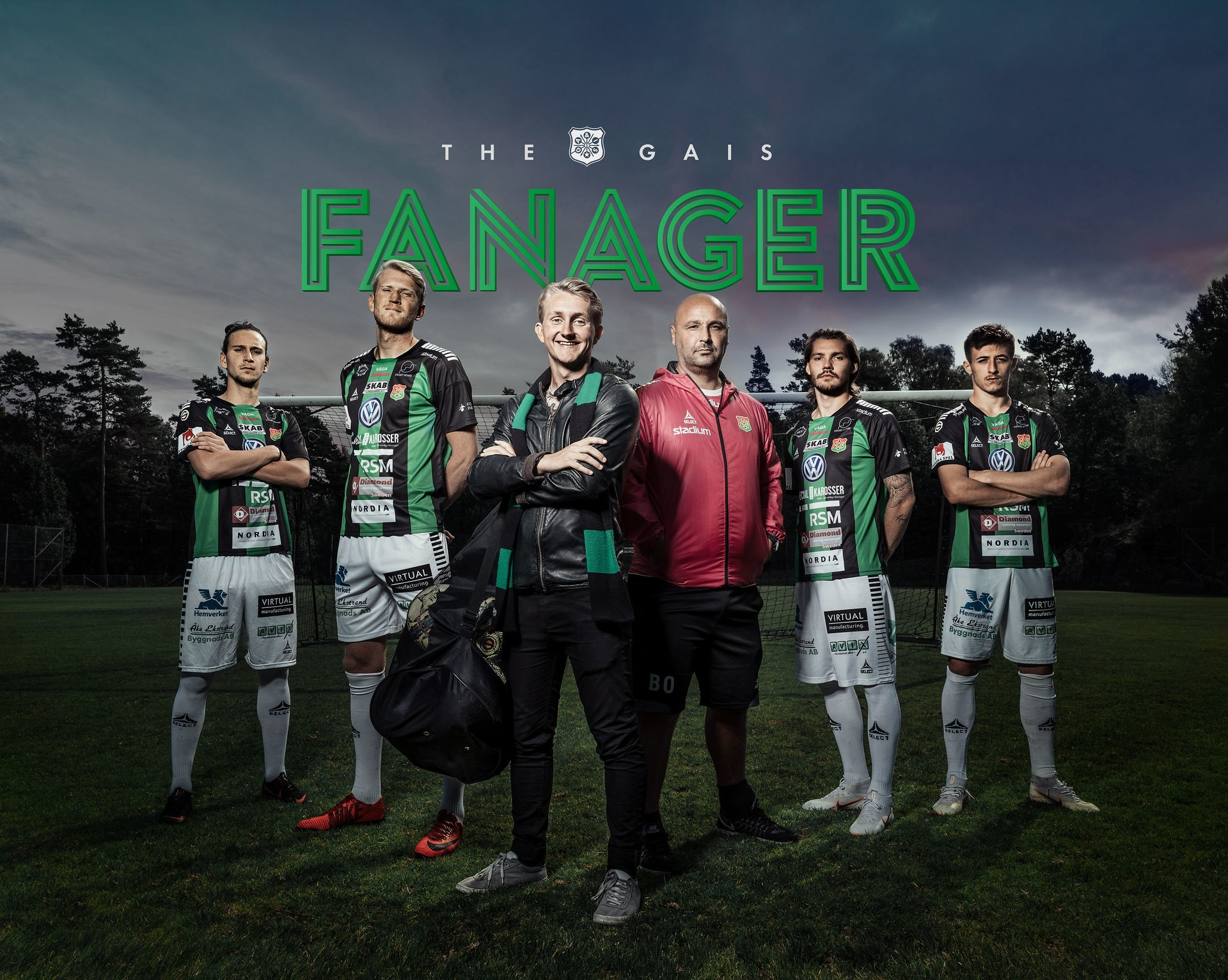
GAIS is one of Sweden's oldest football clubs. After a prolonged run of poor results, fans were staying home and season ticket sales had collapsed. GAIS offered one fan the chance to coach the team for a competitive league match — but only if they bought a season ticket first. The selected Fanager picked the squad, ran training, and led the club against Halmstad. Throughout the rest of the season, they posted thoughts, asked fans for tactical advice, and gave supporters insider access on GAIS's social channels. The club didn't control the content. The fan did. 21.9% uplift in season ticket sales.
Bundaberg Rum's The Wedding That Fans Built (Leo Burnett, 2023) offered one couple a free wedding at the distillery on a single condition: every decision — dress, flowers, food, entertainment — was put to a vote among the brand's 400,000 social followers. The couple surrendered control. The fans built it. The resulting wedding was precisely as chaotic and beloved as the Bundy brand — and was the best piece of content the brand could never have scripted.
4. Your Fans Are the Media Buy
Turn the audience's own networks, profiles, platforms, and bodies into the distribution plan — so they do the reach work without knowing it.
Pepsi Code — Pepsi, Sancho BBDO, 2021
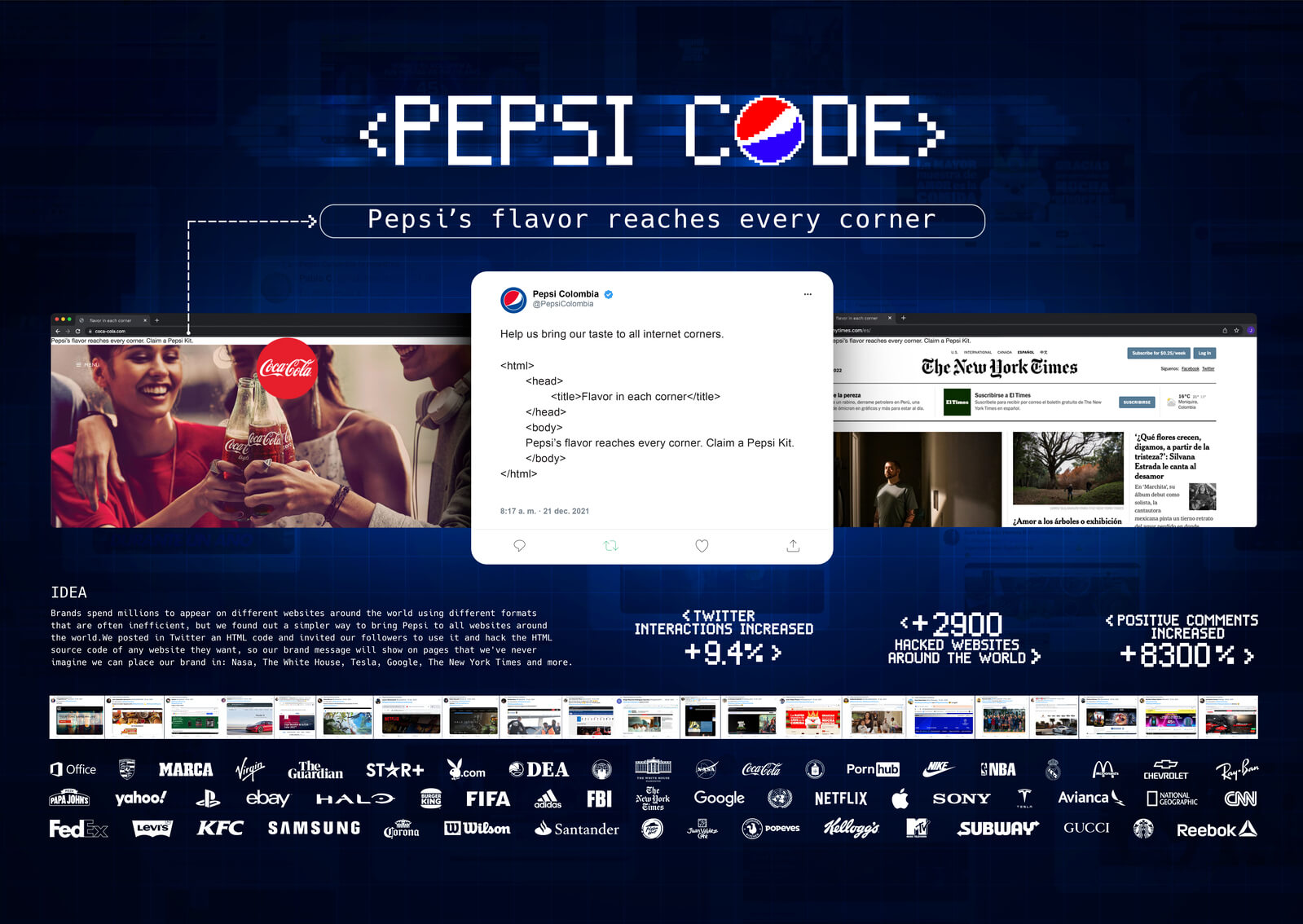
Pepsi shared an HTML injection code with its Twitter followers. When inserted into a browser, the code overlaid Pepsi's message onto any website the user visited. In exchange, followers received a free Pepsi. Each follower who ran the code transformed their browser into a Pepsi distribution unit. Pepsi's message appeared simultaneously on Google, Apple, NASA, the White House, the New York Times, Tesla, Coca-Cola, and more than a dozen other sites — with no media spend, no influencer fee, no placement booking.
5. Let the Crowd Name It
Hand a real product decision to the crowd — and let their answer become the origin story.
Aldidas — Aldi UK, McCann Manchester, 2022
Aldi is a German brand with a three-stripe logo. Another brand with a similar heritage and three-stripe logo dominates global sportswear. McCann Manchester built a campaign inviting fans to name Aldi's new sportswear line on social media. 'Aldidas' emerged organically. The name was perfect: it rhymed with the premium brand, it protected Aldi legally because it was a fan creation rather than a brand decision, and it made budget sportswear feel like a cultural event worth participating in. The collection launched. It sold out in hours. £42 million net profit. 91.23% engagement increase. Aldi subsequently became a football kit sponsor.