

Pick An Enemy is one of the most versatile positioning tactics in advertising — and the one most likely to be applied too narrowly. Picking a competitor is one version of it. The full definition is broader: giving the brand something real to push against. That enemy can be a rival, a bad actor, a cultural norm, a behaviour, or even the audience’s own self-sabotage. This guide maps ten Pick An Enemy advertising tactics to the strategic questions behind them — so you can identify which type of enemy fits your brief and why the right antagonist makes what’s at stake impossible to ignore.
What is Pick An Enemy in advertising?
Pick An Enemy gives a brand friction to define itself against. Without an enemy, a brand is just making claims. With the right enemy, it’s making an argument — and arguments are harder to ignore than claims. The enemy doesn’t have to be named. It doesn’t have to be a person. It doesn’t even have to be real. What it has to be is felt. The audience needs to recognise it, resent it, or fear it — and the brand’s job is to stand on the other side of it.
When does Pick An Enemy outperform conventional positioning?
Use it when the real obstacle to purchase or behaviour change isn’t awareness — it’s inertia, systemic trust, or a rival that’s become default. It fails when the enemy is too vague to feel real, too powerful to seem beatable, or too close to the audience’s own identity to provoke solidarity rather than alienation.
Naming the Competitor: What if you made the gap between you and the rival impossible to ignore?
Most brands pretend competitors don’t exist. Pick An Enemy says the opposite: name the gap, make it visible, and let the contrast do the persuasion.
What if you didn’t claim to be better — but simply made the difference undeniable?
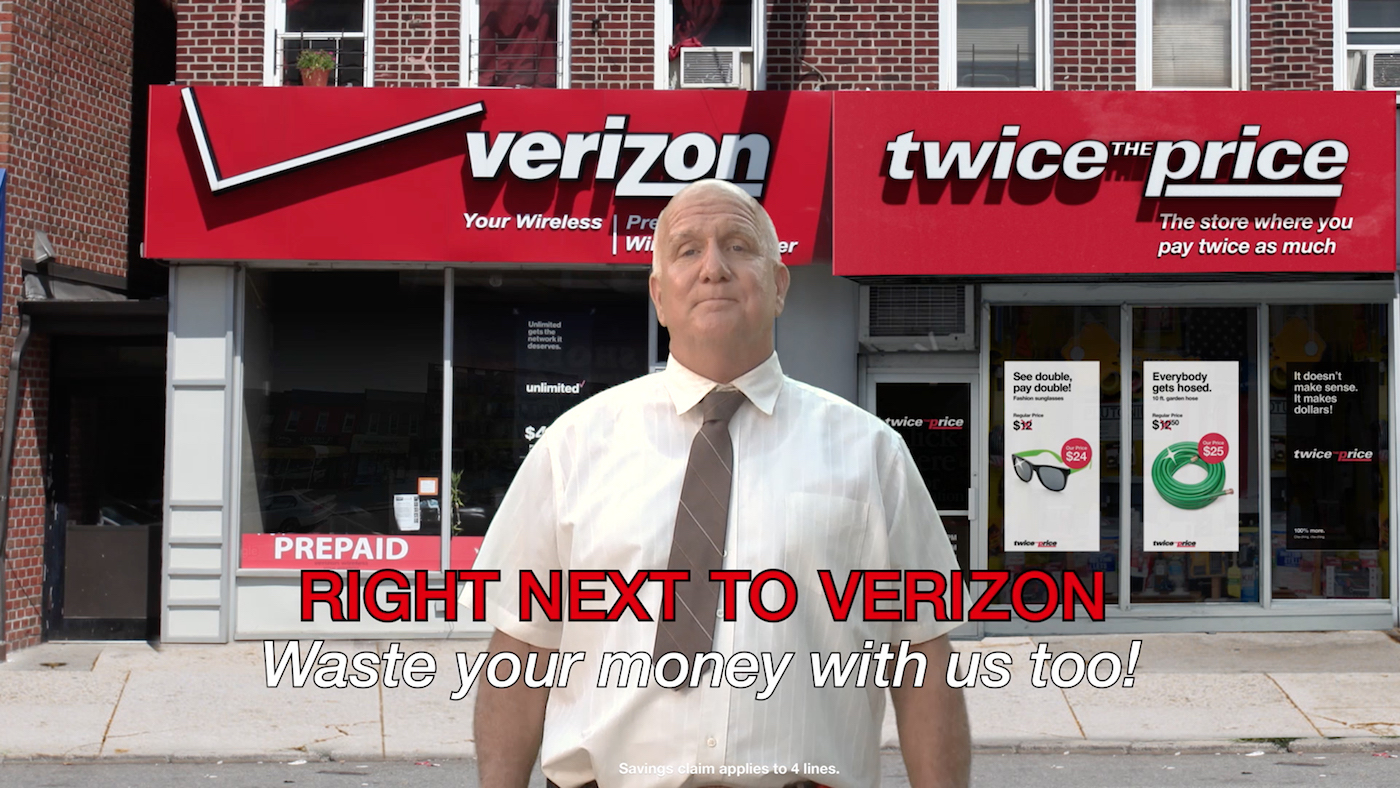
That’s Rival Framing — not attacking the competitor directly, but engineering a contrast so clear the audience draws their own conclusion. Sprint opened a store next door to Verizon in Queens charging double for everything, styled identically to Verizon’s own retail. No copy needed. The gap between what Sprint cost and what the competitor charged was made physical, visible, and absurd. Avis didn’t call Hertz inferior. They called themselves second and explained why that made them try harder — a concession that made every Hertz claim of superiority feel hollow by contrast.
What if your rival’s own brand codes could be turned into evidence against them?
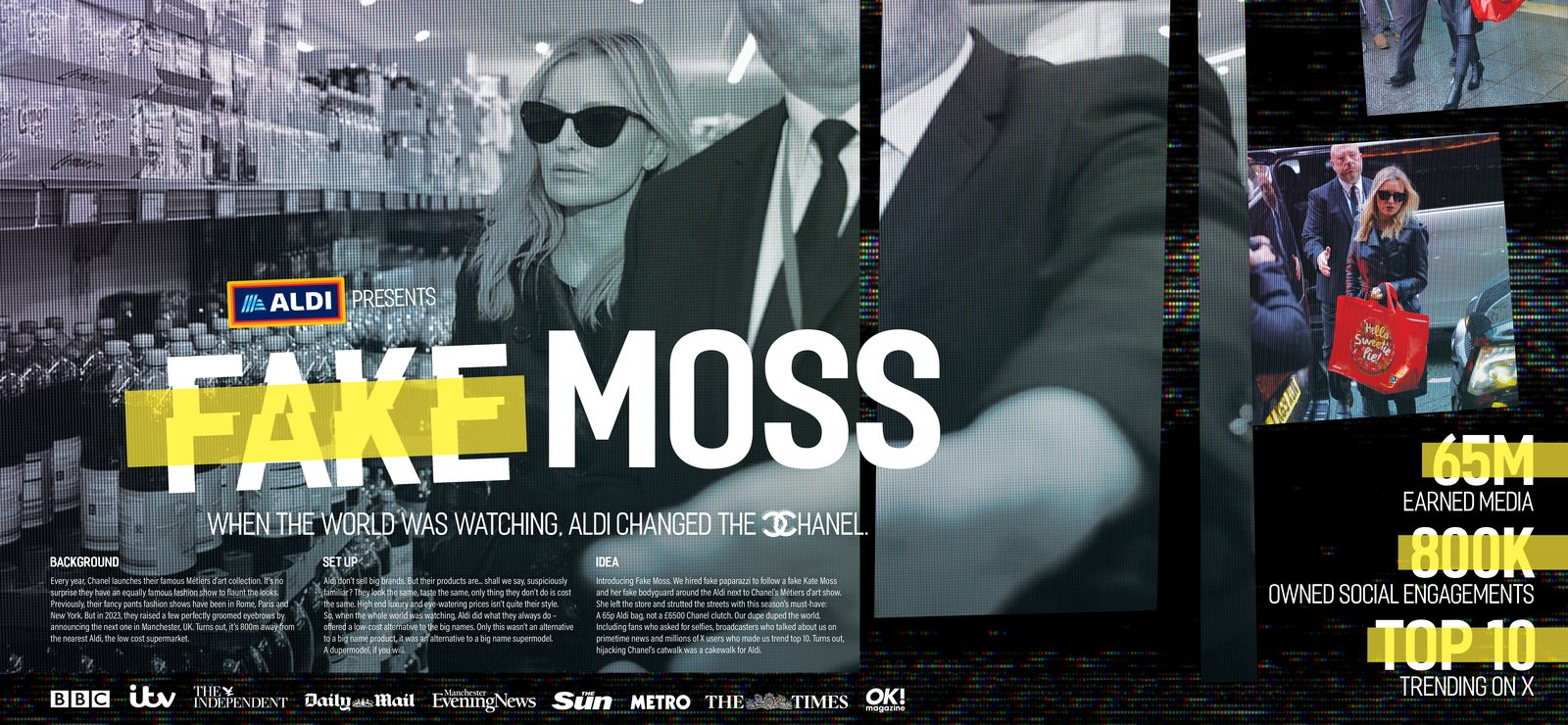
That’s Parody Their Brand Codes — borrowing the competitor’s cultural moment and redirecting it. When Chanel brought its Métiers d’Art show to Manchester, Aldi sent a Kate Moss lookalike to the same pavement — bodyguards, sunglasses, hurried strut — triggering genuine paparazzi response and social speculation before the reveal. The contrast was the joke: Chanel’s temporary luxury takeover of a Northern city, and Aldi’s everyday accessibility showing up in the same frame. It generated a 916% uplift in organic engagement without attacking Chanel’s product — just arriving in Chanel’s cultural moment and refusing to be out of place there.
Naming a System: What if the real enemy isn’t a brand but the way the whole category operates?
Some enemies are bigger than a single competitor. The industry practice, the hidden fee, the norm everyone accepts — these are enemies that make the brand look like an ally rather than just an alternative.
What if your brand was the first to say out loud what the whole category has been hiding?
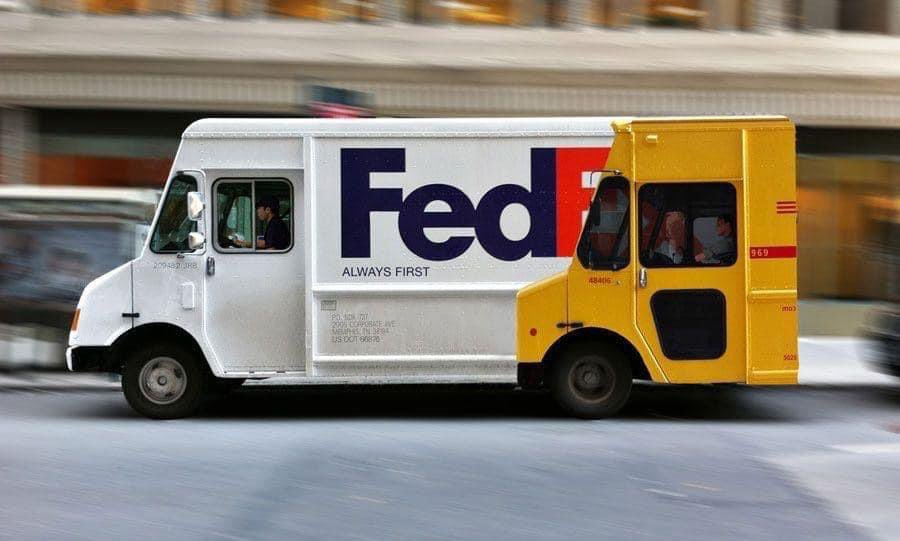
This is the core of Attribute in Competition — staking a specific claim against the category standard and making the proof harder to ignore than the claim is easy to dismiss. FedEx built “When it absolutely, positively has to be there overnight” against an implied enemy: every courier that couldn’t promise that. The enemy wasn’t named. The inadequacy of the rest of the category was made real by the specificity of the claim.
What if the enemy is the system that benefits when your audience does nothing?
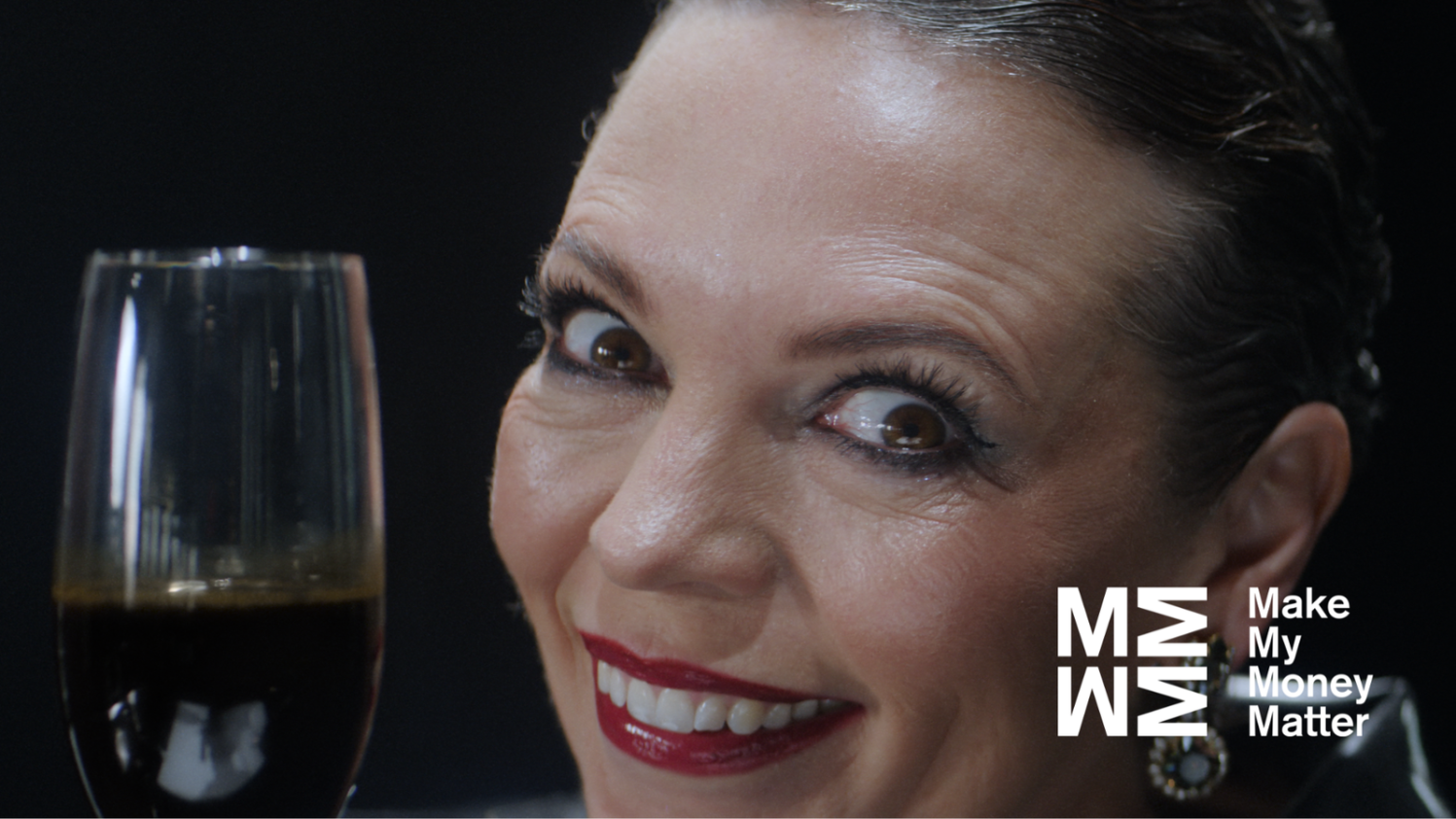
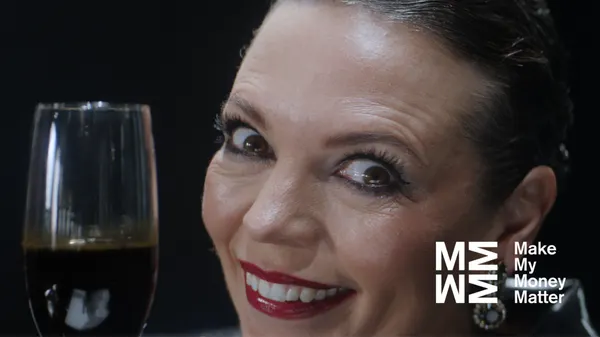
That’s Expose the Real Enemies Benefiting — revealing who gains when people stay passive. Make My Money Matter turned pension complacency into a villain by showing who profits from it: a fictional fossil fuel exec named Oblivia Coalmine, played by Olivia Colman, thanking British savers for funding her industry. Mint Mobile cast Satan — literally — as an employee of Big Wireless, gleefully enacting hidden fees and deceptive contracts. In both cases the enemy wasn’t abstract. They had a face, a voice, and a business model that depended on the audience’s inaction.
The question to ask is not “what’s wrong with the category?” but “who benefits when nothing changes — and how do we show it?”
Naming a Culture: What if the enemy is a norm your audience already resents but nobody has named?
Cultural enemies are the most powerful and the most dangerous. Named correctly, they unite the audience. Named carelessly, they alienate the people you needed.
What if the brief isn’t to beat a competitor but to make a norm look as absurd as it actually is?
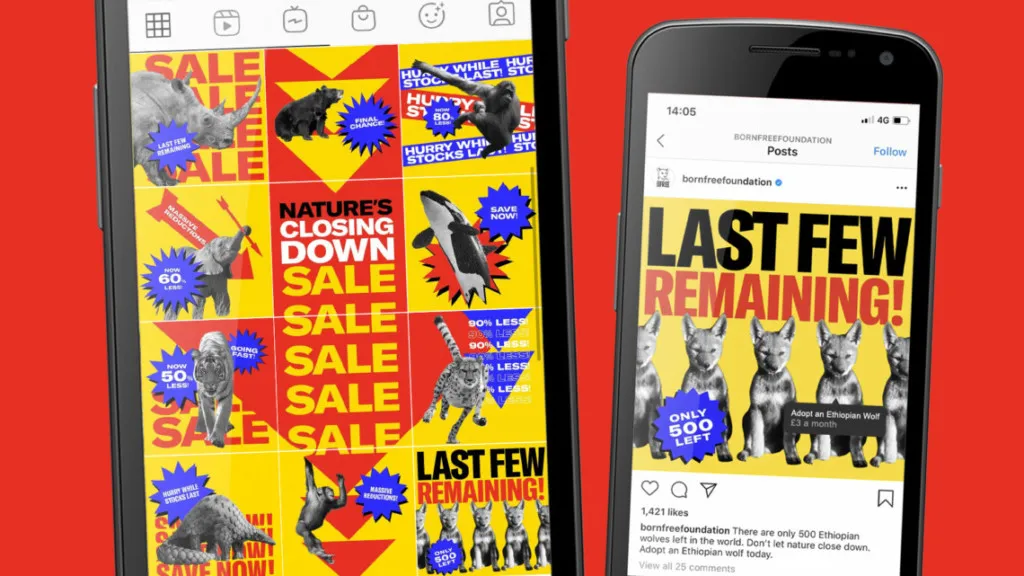
That’s Pick a Fight With Culture — taking aim at a dominant assumption or lazy social agreement the audience recognises but has stopped questioning. WWF’s #LastSelfie posted disappearing animal selfies on Snapchat — using the platform’s throwaway mechanic, images that vanish in ten seconds, as the emotional point. The medium’s defining behaviour became the conservation argument. WWF raised a month’s worth of donations in three days. Born Free Foundation’s Nature’s Closing Down Sale parodied Black Friday wholesale — a sleazy salesman, urgency graphics, clearance pricing — applied to extinction rates. “Lions: 90% off.” The platform’s biggest cultural moment became proof of its own distorted values.
What if you made the product truth into a fight the audience had a stake in winning?
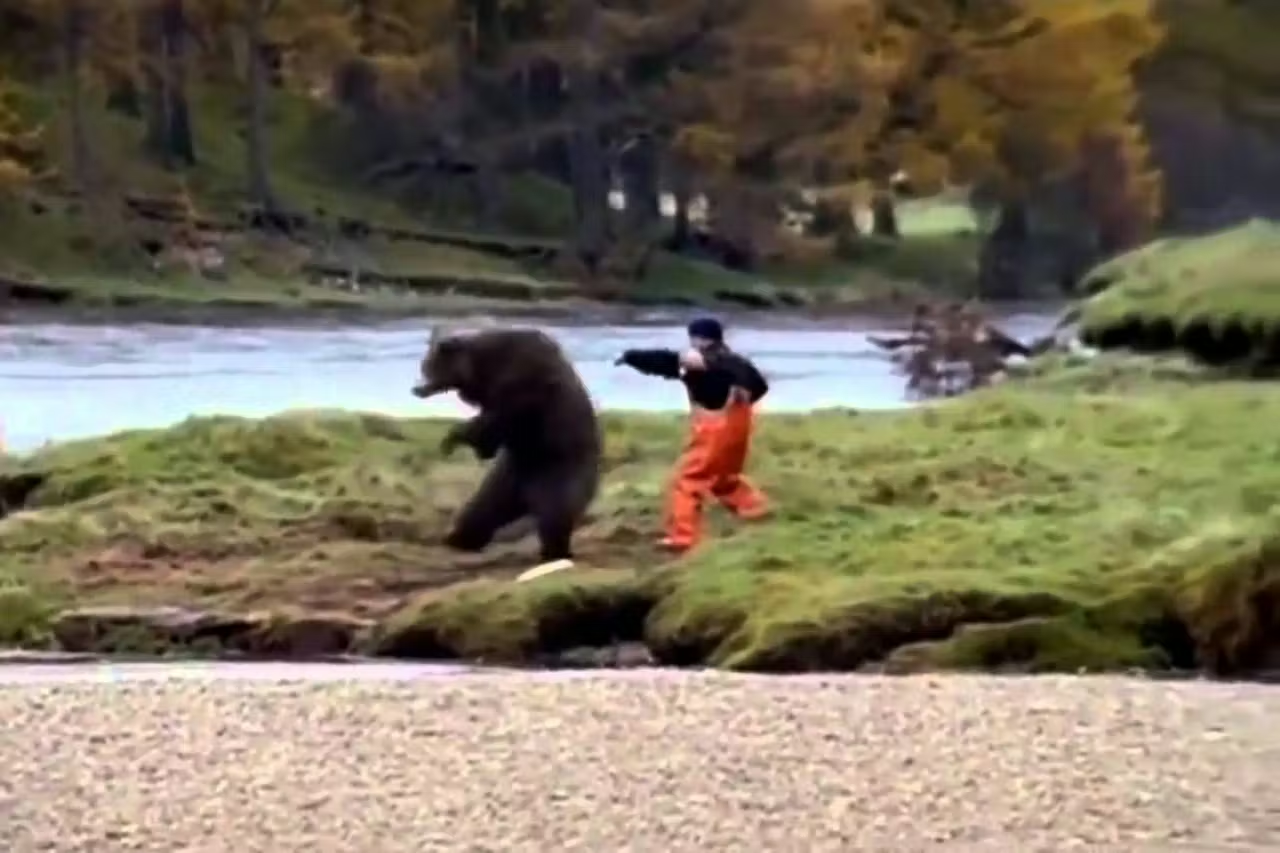
That’s Reframe the Battle — turning a functional promise into a conflict worth watching. John West opened like a BBC nature documentary: a fisherman spots a bear catching salmon, then drop-kicks the bear and walks away with the fish. The tagline — “John West endure the worst to bring you the best” — was built around that single absurd act of commitment. The product truth didn’t change. The battle made it mythic. Eat Them To Defeat Them abandoned persuasion entirely: vegetables became alien invaders, children the only ones who could stop them — by eating them. It drove a measurable national shift in children’s attitudes toward vegetable consumption.
Naming a Behaviour: What if the enemy is what your audience does to themselves?
The most counterintuitive Pick An Enemy move is identifying the audience’s own habits, excuses, or inertia as the antagonist. The risk is sounding accusatory. The campaigns that get it right reframe the enemy as something the audience is already fighting, and position the brand on their side of that fight.
What if the biggest obstacle to what your audience wants is a decision they keep making?
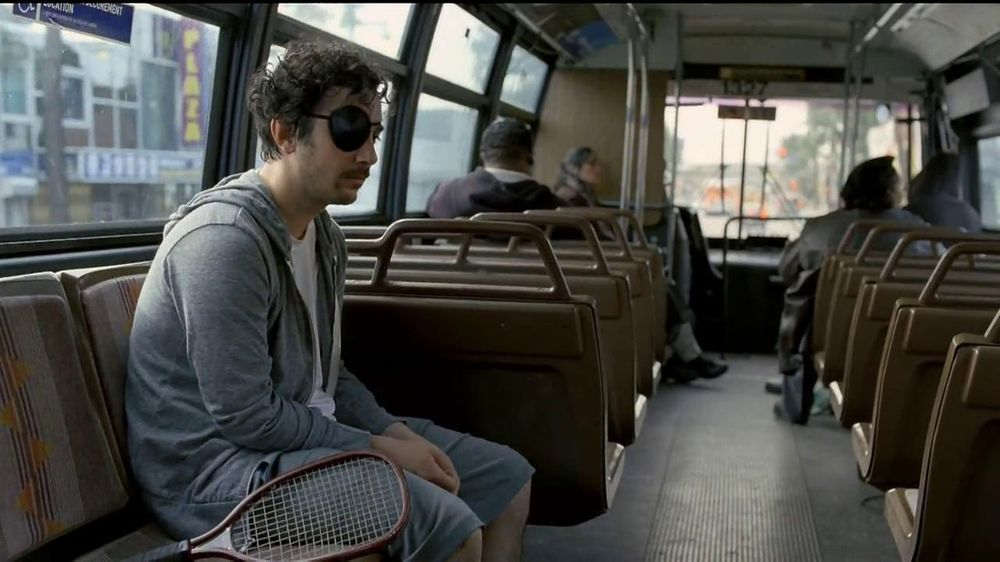
That’s Own Worst Enemy — casting the audience’s own self-sabotage as the thing the brand helps them fight. DirecTV’s Get Rid of Cable followed slippery-slope logic to surreal extremes: a bad cable signal escalates — in rapid, deadpan leaps — to frustration, poor decisions, crime, imprisonment, and total life destruction. Loyalty to cable became a running joke. Each step followed from the last with perfect internal logic. WWF’s Your Plastic Diet visualised the weekly microplastic intake of the average person as a credit card — showing audiences they were already eating their own pollution. No policy argument first. Just a physical object representing what was already happening inside the human body.
What if you made the denial itself the target — and let it collapse under its own logic?

That’s Dismay an Antagonist turned inward. Ontario Ministry of Health’s Quit the Denial followed social smokers’ denial logic to its absurd conclusion: humorous videos compared social smoking directly to social farting, applying the same justifications word for word. The defence collapsed under its own ridiculousness. The campaign went viral by making denial impossible to maintain without laughing at yourself first.
Naming a Person: What if you gave the enemy a face?
Abstract enemies are forgettable. Specific enemies — a real person, a character, a cultural figure — are not. The hateable hero, the satirical villain, the celebrity turned target: these are the enemies that generate conversation because they give audiences something to rally around.
What if the enemy was someone the audience already had complicated feelings about?

That’s Dismay an Antagonist using fame as fuel. Clash of Clans didn’t make Erling Haaland a hero. They made him a target — inviting players to destroy the village he’d “built since he was 10.” The campaign worked because Haaland is divisive by nature: admired by some, resented by others. Both groups had a reason to engage. Change The Ref deceived former NRA president David Keene into delivering a graduation speech to 3,044 empty white chairs — each representing a student killed by gun violence. He thought it was a rehearsal. The footage became one of advertising’s most effective acts of political antagonism.
What if the enemy’s own words, returned at full volume, became the argument?

That’s Reframe the Insult — taking the label aimed at your audience and redirecting it until wearing it is more interesting than hiding from it. The British Army’s “Snowflakes… The Army Needs You” took every insult thrown at the 16–25 demographic — “phone zombie,” “me me me millennial,” “snowflake” — and reframed each one as a recruitment argument. Applications from that age group nearly doubled. Coca-Cola’s “This Coke is a Fanta” took a homophobic slur circulating in Brazil, made it literal — limited-edition Coke cans filled with Fanta — and asked “And what if it is?” The insult had nowhere to land. The brand had already agreed with it.
The test every Pick An Enemy idea has to pass
The enemy needs to be specific enough to feel real and broad enough for the audience to share it. Too specific and it reads as a personal grudge. Too broad and it disappears into abstraction.
Apple’s “Get a Mac” worked because the enemy — the stuffy, virus-prone, jargon-heavy PC — was something millions of people had personal experience of. The campaign didn’t need to exaggerate. The enemy was already recognisable. WWF’s #LastSelfie worked because the enemy wasn’t an organisation or a person — it was a behaviour the audience was already doing, turned into the vehicle for the argument. In both cases the enemy’s job was the same: make the audience feel something — resentment, recognition, or relief that someone finally said it — and put the brand on the right side of that feeling when they do.
The ten Pick An Enemy tactics
The questions above unlock ten distinct tactics, each targeting a different type of enemy. The first campaign example in each article is free. Members get the full set.
Rival Framing — make the gap between you and the competitor impossible to ignore
Parody Their Brand Codes — borrow the rival’s cultural moment and redirect it
Attribute in Competition — make the proof harder to ignore than the claim is easy to dismiss
Expose the Real Enemies Benefiting — reveal who profits when your audience does nothing
Pick a Fight With Culture — take aim at the norm everyone resents but nobody has named
Reframe the Battle — turn the product truth into a fight worth having
Own Worst Enemy — cast the audience’s self-sabotage as the antagonist
Dismay an Antagonist — give the enemy a face and let the audience take sides
Reframe the Insult — return the enemy’s weapon until wearing it is more interesting than hiding from it
Turn the Tables — take what they aimed at you and point it back at them, in public, at scale
Want Your AI to Think Like This?
These tactics come from the Thinking Engines — a library of strategic and creative guides built to be uploaded into your AI. Drop one into Claude, ChatGPT or Gemini, and it becomes a thinking partner trained on real campaign logic: generating territories, reframing briefs, and pressure-testing ideas.