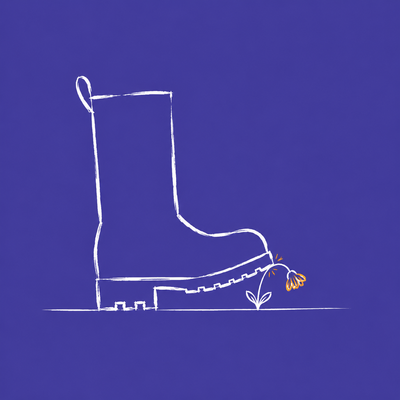


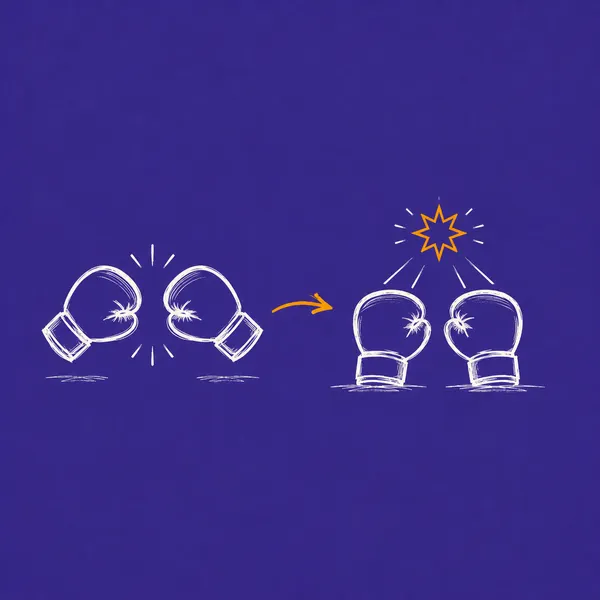
Reframe The Battle takes a functional benefit, a boring category truth, or a legacy brand promise and turns it into a conflict worth watching. The product doesn't change. The frame does. Suddenly, tinned fish requires a fistfight with a bear. Vegetables become an alien invasion that only children can stop. A fly becomes a fugitive with a bounty on its head. The battle isn't metaphorical decoration, it's the mechanism that makes the message land. Here are three reframing tactics that turn product truth into a fight worth having.
- Gamify the Threat
- Turn the Promise Into a Physical Fight
- Make the Enemy the Product — and the Audience the Hero
1. Gamify the Threat
Turn the product's core function into a public game with the target as the villain.
Most Wanted Fly — Mortein, Havas, 2024
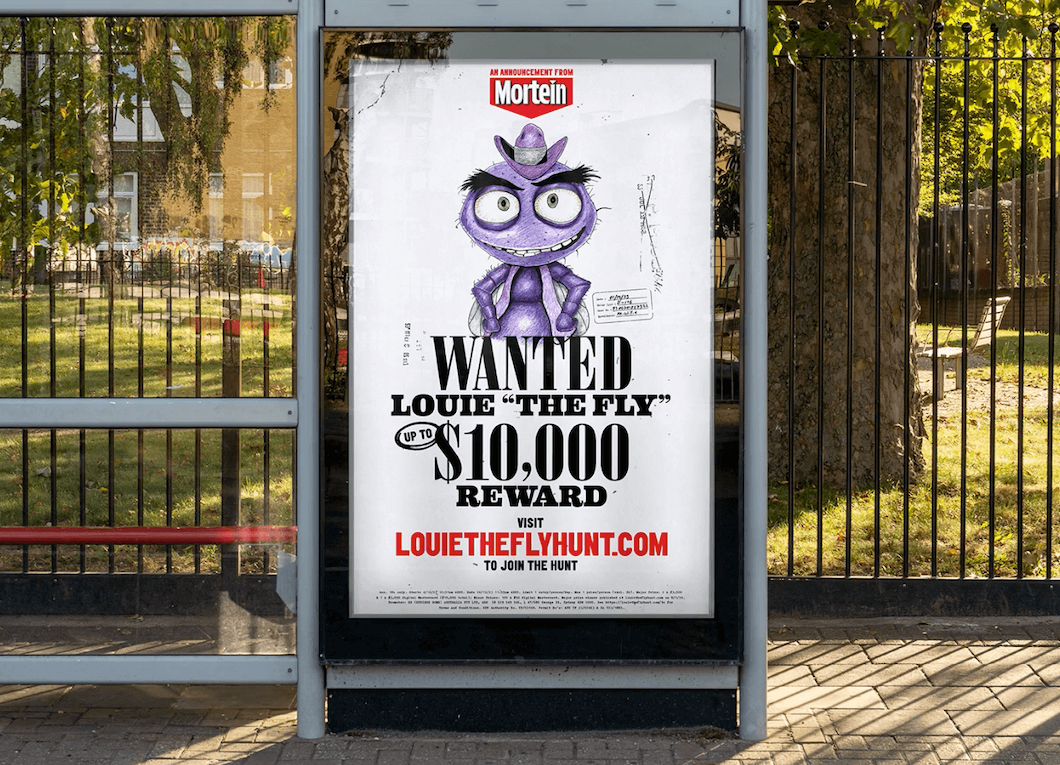
The brief: demonstrate Mortein's pest-control effectiveness in a way that goes beyond the spray-and-die format used by every competitor. Havas gave Louie the Fly — Mortein's long-running brand character — a bounty. Consumers hunted him using AR-style fly recognition and a parody bounty mechanic, turning the product demo into a public game. Every scan was a product interaction. Every interaction was a brand moment. The campaign merged the functional benefit with pop culture parody, boosted reach, and gave Mortein a brand stretch that a straight product demo could never have delivered.