

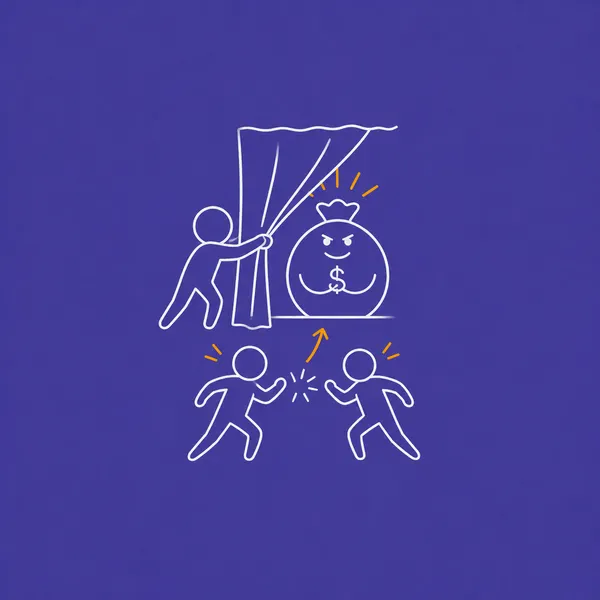
This tactic shows who wins when the audience does nothing. It doesn't ask people to like you. It shows them they've been aiding and abetting the wrong side. The moment an audience realises they're complicit, the brief changes entirely. You're no longer selling a switch. You're offering an exit. Here are five tactics from the Enemy Engine that hand the villain the microphone — and let them do the work.
- Create Fake Companies That Profit From Harm
- Expose Real Villains in Disguise
- Put the Problem in Their Mouth
- Turn Hidden Harms Into Familiar Evil
- Bring Satirical Evil to Life
1. Create Fake Companies That Profit From Harm
Build the villain's business and let them thank you for it.
Oblivia Coalmine — Make My Money Matter, Lucky Generals, 2023
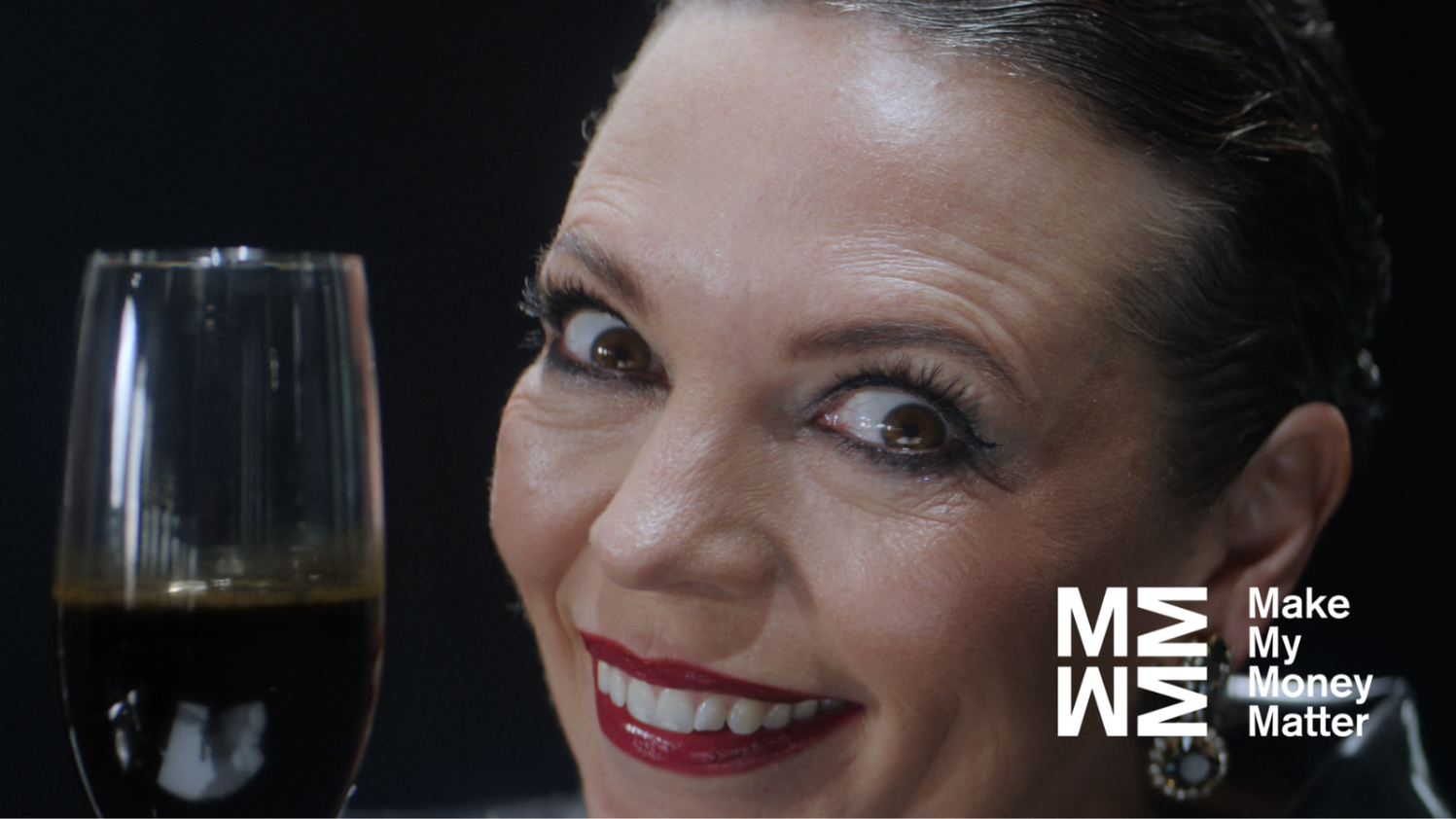
The brief: make people aware that their pension savings are funding fossil fuel industries. Lucky Generals turned Olivia Colman into 'Oblivia Coalmine', a high-gloss fossil fuel executive gloating over hidden pension investments in oil and coal, directly thanking the British public for their unwitting generosity. The satire was polished enough to sting. It drove wide coverage, directed audiences to tools to green their savings, and generated behaviour change through a character who made the abstract feel personal.
Make My Money Matter's No Nasty Surprises (Lucky Generals, 2020) took a similar approach, staging a festive ad from the fictional 'Forestry Felling Syndicate (FFS)' — a cartoonishly evil CEO thanking pension holders for funding deforestation. Growney's The Rise (Philipp und Keuntje, 2023) went further, launching a realistic real-estate brand selling beachfront properties in flooded future cities — 22.6 million impressions and a rebrand as a green investment leader before the hoax was revealed.