

JCPenney · Mischief @ No Fixed Address · 2026
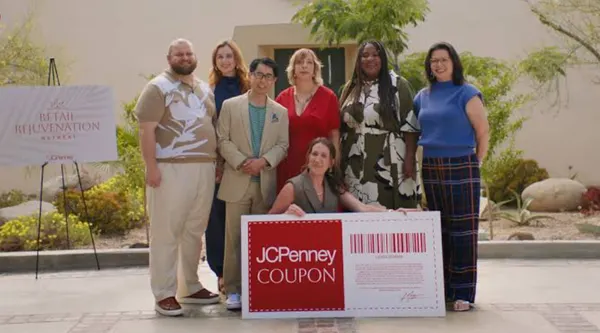
What if bad bargain hunting was treated like a bad habit? Retail Rejuvenation sends real value shoppers to a spoof wellness retreat, turning disappointing off-price purchases into something they need to recover from, then gives those regrets a second life as currency towards a better choice.
The challenge
JCPenney wanted to challenge the idea that the lowest price automatically equals the best deal. Off-price shopping can mean compromises on quality, choice, fit and experience, but those frustrations are easy to accept when the purchase still feels like a bargain.
The strategy
Mischief reframed disappointing value shopping as a behaviour problem.
If shoppers repeatedly chase deals that leave them with regret, perhaps they don't need another sale.
Perhaps they need treatment.
That opened up a more entertaining argument about value: people don't necessarily want less. They want better for less.
The campaign could attack the compromises of off-price shopping without simply shouting about price.
The execution
Six real value shoppers attend a mock wellness retreat complete with clothing cleanses, trust exercises, retail mantras and primal screams designed to release their shopping regrets.
The idea then moves into commerce.
During a Retail Regrets Trade-In, shoppers can bring an unwanted purchase into JCPenney and receive $15 off a $50 purchase, with the surrendered items donated through Good360.
The parody diagnoses the problem.
The trade-in turns the diagnosis into behaviour.
Campaigns That Used Similar Tactics
Spoof the Format - Borrow a familiar format and let its conventions carry an entirely different argument.
Nature RX treated spending time outdoors like a prescription drug. Pharmaceutical-advertising conventions — authoritative claims, lifestyle imagery and side-effect warnings — gave “Nature” the exaggerated medical legitimacy of a real treatment.
Nescafé 3-in-1 Event — Nescafé / Publicis gave a minor packaging change the full theatre of a technology launch: sleek stage, dramatic product language and “one more thing” gravitas. The gap between the format's seriousness and the announcement's triviality created the joke.
Reframe Value - Change what counts as a good deal rather than simply arguing that your product costs less.
So. Much. Better. — Best&Less / Connecting Plots reframed affordable family clothing by rejecting the pressure for polished perfection. Everyday value stopped feeling like a compromise and became something better suited to real family life.
The JCPenney argument is similarly simple:
Cheap and disappointing isn't necessarily value. Better for less is.
The Question That Could Get You There
If our audience's bad habit required treatment, what would the therapy look like?