

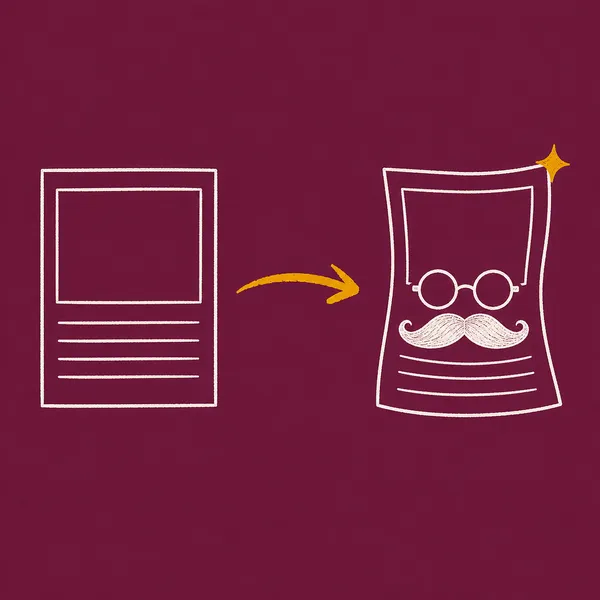
Every format carries a set of promises. Tech launches promise breakthroughs. Horror films promise dread. Pharmaceutical ads promise salvation. Etc. The moment an audience sees the format, they start expecting. That expectation is the creative brief and you can hijack it. Spoof the format, and you get recognition, anticipation, and the laugh of surprise all at once. Here are seven creative tactics from the Parody Engine that know exactly which format to steal and when to pull the rug.
- Hijack a Cultural Ritual
- Parody the Tech Launch
- Turn Horror Genre Loose on a Product Problem
- Make the Ad Format the Joke
- Use a Nostalgic TV Format to Expose a Hard Truth
- Build a Fake Product in a Real Format
- Parody a Category Convention to Own Your Position
1. Hijack a Cultural Ritual
Borrow the format of a live cultural moment — and make your brand the reveal.
Baby Scan — Marmite, adam&eveDDB, 2023
Marmite's 'Love it or hate it' positioning is so embedded that it had almost stopped landing. Adam&eveDDB found the sharpest possible reactivation: the gender reveal. Expectant parents were invited to a 4D scan to determine not the sex of their baby but something arguably more consequential — whether their child would be a Marmite lover or hater. The results were delivered with a full gender-reveal ceremony: themed events, celebratory announcements, and social sharing. The campaign drove a 37% increase in online conversation around the brand. See campaign ->
The tactic works because the ritual format pre-loads emotional investment that no ad could manufacture from scratch. You're not interrupting the moment — you're the moment. The brand's job is simply to fit the shape of something people already care about, then make it theirs.
2. Parody the Tech Launch
Adopt the visual and tonal codes of a tech product launch — then reveal something that has absolutely no business being there.
Nescafé 3-in-1 Event — Nescafé, Publicis, 2021
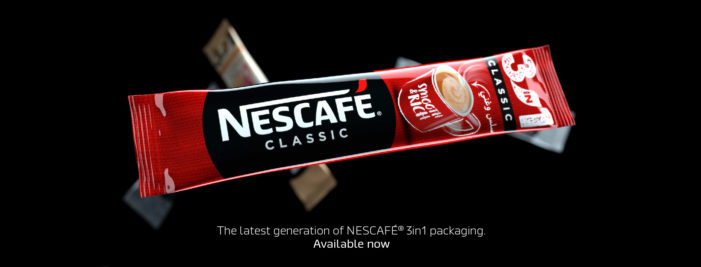
Nescafé needed to announce new packaging for its 3-in-1 coffee — a genuinely minor update that risked landing with the collective shrug it probably deserved. Publicis instead shot a full mock tech launch presentation: the sleek stage, the high-tech jargon, the dramatic reveals, the 'one more thing' energy, all deployed to announce that the packaging had changed but the coffee inside had not. The joke landed because the format's gravity was applied to something that so obviously didn't warrant it, and the deadpan commitment to the presentation made the punchline sharper with every slide. The result was a memorable buzz around an update that had no natural reason to be memorable.
IKEA BOOKBOOK (BBH Asia Pacific Singapore, 2015) ran the same play with even more precision — a shot-for-shot recreation of an Apple launch film applied to the paper catalogue, complete with 'eternal battery life,' 'touch interface,' and the white seamless studio. 16 million YouTube views.
3. Turn Horror Genre Loose on a Product Problem
Apply the full grammar of a horror film to a product problem — and let genre exaggeration make the stakes feel real.
The Call — Burger King, Dentsu, 2023
Directed by Alfonso Gomez-Rejon, Burger King's Halloween campaign for the Ghost Pepper Whopper borrowed everything horror films know about dread — the ominous call, the mounting unease, the slow revelation — and applied it to the very specific terror of a limited-edition spicy burger. A woman is terrorised by a spooky phone call warning her about the Ghost Pepper Whopper, which turns out to be not a threat but an irresistible temptation. The genre creates real anticipation; the subversion delivers the joke. The campaign drove seasonal engagement by making the product feel dangerous in exactly the right way. See campaign ->
Samsung's Join the Flip Side (Wieden+Kennedy Amsterdam, 2023) made the product itself the horror — a group of friends at summer camp fall one by one under the spell of the Galaxy Z Flip4, the horror conventions of group jeopardy and whispered warnings dramatising the psychological pull of switching phones.
4. Make the Ad Format the Joke
Build a campaign that openly mocks the conventions of advertising — while making one.
The Interns — Samsung Galaxy Tab S9, BBH, 2023.
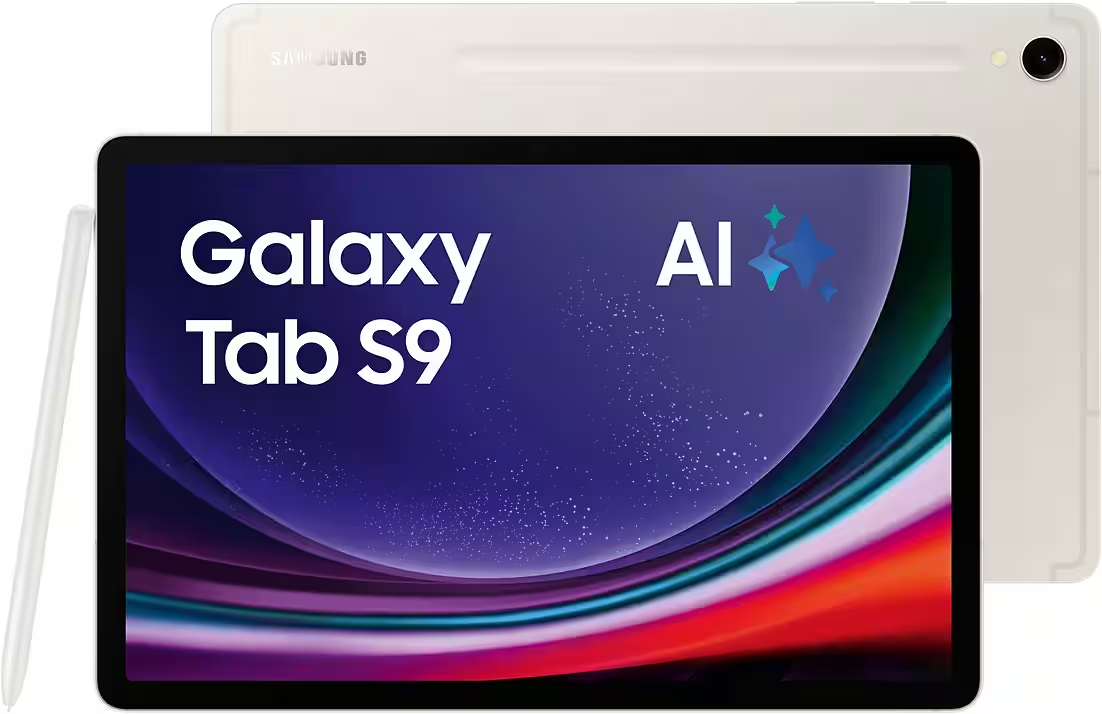
Samsung needed to launch the Galaxy Tab S9 Series in a way that stood out from the formulaic product demo. BBH's solution was to make the ad-making process the content of the ad. A long-form film follows two interns pitching increasingly outlandish genre-based concepts for advertising each device feature — horror, superhero comics, sitcoms — each pitch more absurd than the last. The product features are demonstrated through the chaos of pitching them. The film entertained tech enthusiasts and wider audiences alike, and a 30-second cut ran on traditional channels. Samsung got a product launch and a cultural talking point by making the launch itself the subject. See the campaign ->
Beats by Dre's 'This Is a Beats Ad' (Rosewood Creative Los Angeles, 2022) went further into the fourth wall — TikTok creators performed over-the-top sponsored-ad tropes, forced enthusiasm, bad transitions, awkward product holds, while proclaiming 'This is a Beats ad' throughout. The meta-confession became the creative strategy, signalling brand authenticity by admitting the mechanics of influence.