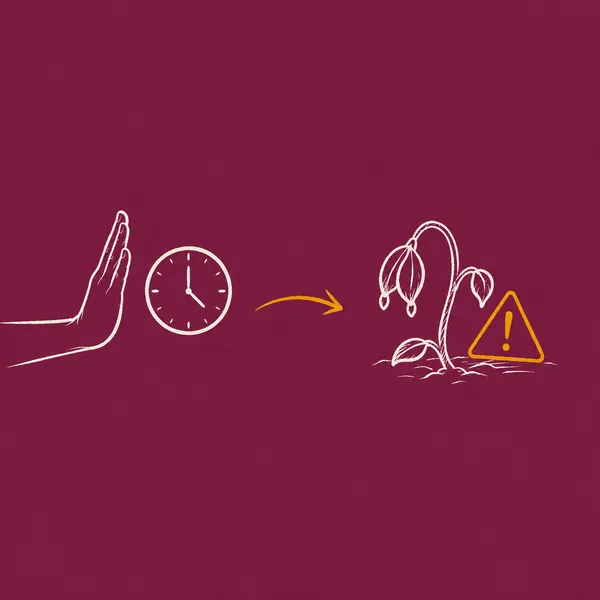
Telling people that the future will be worse is a poor tactic for changing behaviour. People don't pay attention to reports and statistics. The problem isn't apathy. It's distance. The future doesn't feel like now, so it doesn't feel like a reason to act. The campaigns that crack this problem don't describe what's coming. They make it present and specific. Here are nine tactics from the Consequences Engine that collapse the distance between now and what happens next.
- Give the loss a deadline
- Give the future a price tag
- Let the consequence grow in public
- Make it playable
- Show the familiar place as a stranger
- Make the excuse the threat
- Turn the icon sour
- Make the crisis tangible
- Use absurdity to deliver the truth
1. Give the Loss a Deadline
Attach a specific date to what's disappearing — and make inaction a countdown.
Last Day Pass — Mountain Vision, Serviceplan, 2021
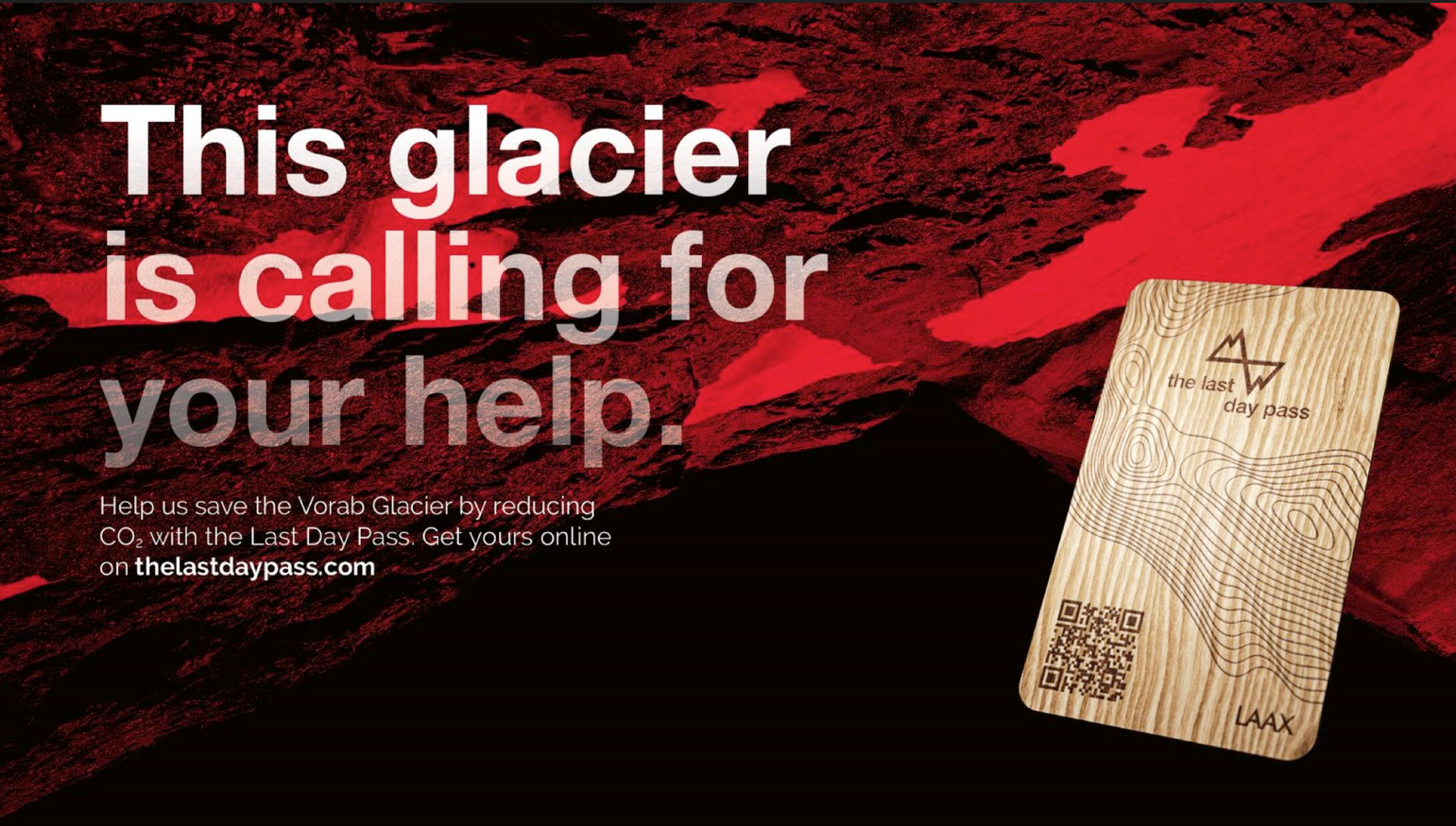
The Vorab glacier in Switzerland was shrinking. Most people understood this as a general fact about climate change. Serviceplan made it a specific transaction: ski passes sold for 3 April 2056 — the glacier's projected final skiable day — with proceeds funding carbon offsetting to delay that date. Every pass purchased bought ten more minutes. The campaign gave skiers a date to grieve, a product to buy, and a direct mechanism to push the deadline back. Coverage spread across Europe. The glacier stopped being a symbol of the climate crisis and became a calendar entry.
2. Give the Future a Price Tag
Build a store from the future — and let what's on the shelves do the warning..
The Drop Store — Netherlands Ministry of Foreign Affairs, Publicis, 2023
The Netherlands were co-hosting the UN Water Conference and needed to make water scarcity feel urgent to a global audience that wasn't feeling it. Publicis built a fake e-commerce store selling ordinary water-dependent products — shower water, toilet water, washing machine water — bottled, packaged, and priced as luxury goods at absurd future-inflated costs. Nobody had to read a report. Scrolling the store was enough. The crisis stopped being a distant forecast and became something with a product page, a price, and a checkout button. Global attention and earned media followed ahead of the conference. See campaign ->
3. Let the Consequence Grow in Public
Build something that physically becomes the problem — and put it where people can't avoid it.
Mouldy Bread — Love Food Hate Waste NZ, TBWA\New Zealand, 2023

Food waste in New Zealand was an invisible domestic habit — something that happened quietly in kitchens and bins, never seen and rarely felt. TBWA built giant sculptures and billboards made of real mouldy bread and placed them in public spaces, timed to rot in real time. The consequence didn't need explaining. It was already happening in front of you, getting worse by the day, with QR codes offering free food-saving tools for anyone who wanted to act. The issue that lived behind closed doors was suddenly impossible to ignore on the street. See campaign ->
4. Make It Playable
Place the audience inside the future — and let them experience the consequence rather than observe it.
Los Santos +3ºC — Greenpeace, VMLY&R, 2022
Climate messaging had struggled to reach younger audiences for a generation. VMLY&R modified a GTA server to simulate a +3°C world inside Los Santos — the fictional city millions of players already knew as home. Floods, smog, and failing ecosystems became new mission conditions. The climate catastrophe wasn't something players watched on a screen; they navigated it, played through it, and felt its restrictions on a world they'd spent hours in. Petition signatures and global gamer engagement followed. The platform wasn't borrowed to run an ad. It was hacked to host the future. See campaign ->
5. Show the Familiar Place as a Stranger
Take somewhere the audience knows — and show them what it looks like if nothing changes.
Might Be Coming Soon — Local Stores, Sollin, 2021. Independent shops on Thorvald Meyer Street in Oslo were struggling through the pandemic. Rather than asking locals to support them with goodwill messaging, Sollin dressed empty shop windows with bleak speculative scenes — glimpses of the street without the stores that gave it life. The future wasn't described. It was installed in the windows people walked past every day. Locals could see exactly what the street would look like if they did nothing, and the conversation that followed helped drive footfall and sentiment back toward the independent businesses at risk. See campaign ->