

Most briefs ask the same question: who would make a credible ambassador for this product? Dumb Thinking asks who would make the least credible one.
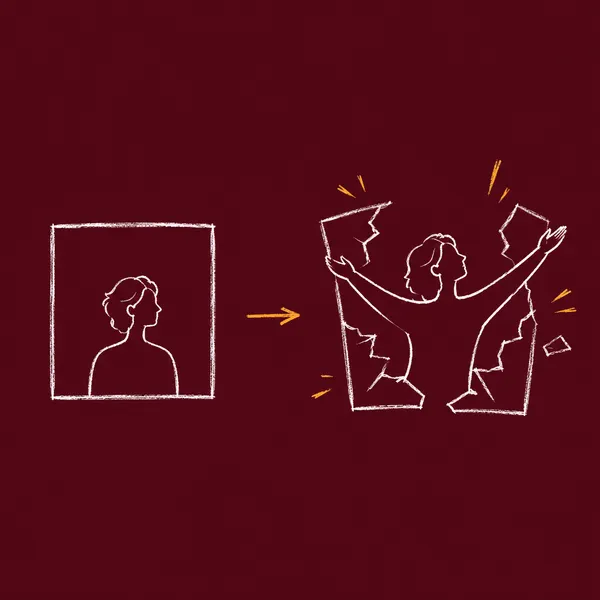
The Unlikeliest Ambassador is an unexpected casting tactic: choose someone — or something — that feels ludicrous, and use the wrongness of the pairing to create an argument no polished spokesperson could.
Here are six tactics that put exactly the wrong person in front of exactly the right audience.
- Cast the person your product was never meant for
- Use the taboo to teach the lesson
- Let incompetence prove the point
- Make the unexpected endorser the misdirection
- Make them qualify for it
- Let the wrong ambassador reject it
1. Cast the person your product was never meant for
Pick the spokesperson who least belongs here and make them the whole brief.
Even Divas Stay Here — Hostelworld, Lucky Generals, 2018
Hostelworld needed to shift the perception that hostels were a last resort for broke backpackers, not a choice anyone with options would make. The dumb answer: cast the world's most demanding entertainer. Mariah Carey was filmed checking into a hostel — rider demands intact, entourage trailing — and then, visibly, embracing it. The juxtaposition did everything the brief asked. If diva logic can coexist with no thrills accommodation, the objection that hostels aren't for you collapses entirely.
Knorr's #CheatOnMeat campaign partnered with die-hard carnivore chefs to endorse plant-based dishes using the language of infidelity to make veggie food feel rebellious rather than righteous. The ambassador's resistance was the proof.
2. Use the taboo to teach the lesson
Cast the person who represents the taboo because they're the only one who can make the point land.
Keep It Real Online — New Zealand Govt, Motion Sickness, 2020
New Zealand needed parents to have honest conversations with their children about online pornography. The conventional approach — cautious health messaging, parenting experts — had failed to move the needle. The dumb answer: send two adult film performers to a suburban home and have them explain, bluntly and warmly, what their son had been watching and why it wasn't real life. The execution was hilarious, shocking, and entirely effective. It subverted every expectation of what a government PSA should look like and sparked a national conversation that polished messaging had never managed. See campaign ->
Boys React to Tampons (Nett, Isobar, 2018) placed teenage boys — arguably the last demographic expected to destigmatise periods — at the centre of a femcare campaign. Their complete naivety and bafflement disarmed the stigma teenage girls felt about this sensitive topic and opened the door to conversation.