


Dumb Thinking is one of the most consistently effective advertising tactics available — and the most misapplied. The mistake is treating it as a license for weirdness. The definition is tighter: deliberately illogical, naive, or "wrong" ideas used to expose smarter truths and break rigid category logic.
This guide maps nine dumb thinking advertising tactics to the strategic questions behind them — so you can identify which move fits your brief and why it works when it does.
What is Dumb Thinking in advertising?
Dumb Thinking deliberately breaks logic, norms, or expectations — not for shock value, but to reveal an insight that straight thinking couldn’t surface. It works by taking assumptions literally, pushing logic too far, or choosing the obviously stupid option until the real truth snaps into focus.
The test is simple: if the dumb idea doesn’t make the underlying truth clearer, the tactic has failed. If it does, it’s probably the most memorable thing in the category.
When does Dumb Thinking outperform conventional strategy?
Use it when a category is self-serious and over-rational. Use it when the obvious creative territory is already owned by competitors. Use it when audiences are so used to being persuaded that they’ve stopped listening to persuasion. It fails when the dumbness is decorative. When you could remove the stupid idea and the strategic insight would still be intact. That’s a tonal choice, not a tactic.
Taking the Problem Literally: What happens if you interpret the brief in the dumbest, most literal way?
Most briefs contain a lazy metaphor that nobody has bothered to take seriously. Dumb Thinking finds it and follows it to its logical end.
What if the problem your brand solves could be demonstrated by actually, physically solving it in the most excessive way possible?

This is the question behind the Unlikeliest Ambassador — a tactic that takes the brand’s positioning literally by casting someone who embodies the proof of concept in the most extreme, unexpected form. Hostelworld didn’t say “even discerning travellers love hostels.” They hired Mariah Carey — rider demands intact, entourage trailing — and filmed her embracing bunk beds. Solo Stove didn’t explain what smokeless meant. They announced Snoop Dogg was going smokeless and let the internet fill in the blank before the reveal arrived.
What if you literally became what the category says it wants to be?
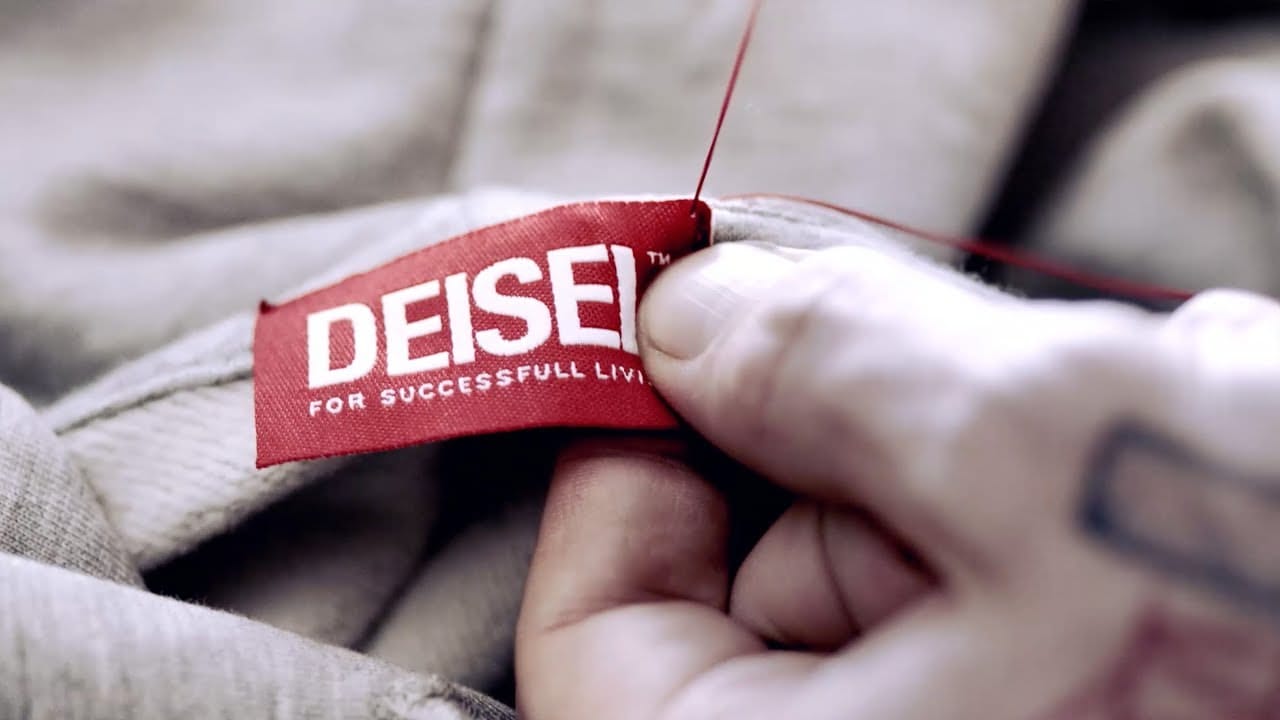
That’s the question behind Embrace Bad Behaviour — celebrating the thing the brief usually asks you to correct. KFC didn’t tell people to stop stealing their branded glasses. They released clothing with hidden pockets to help them do it better. Diesel didn’t punish wardrobers. They built a circular fashion programme around the behaviour, called it “Enjoy Before Returning,” and resold the returned stock.
Pushing Logic Too Far: What if you follow the category’s logic to an absurd conclusion?
Every category has a dominant logic — a set of assumptions that everyone inside it has stopped questioning. Dumb Thinking follows that logic past the point where it holds together, until the absurdity of the original assumption becomes visible.
What if you took the product’s defining claim and made it structurally, uncomfortably real?

This is the engine behind the Dumbest Alternative — inventing a fictional product, service, or scenario that follows category logic to collapse, then using the wreckage to make the real product look like the sane choice. Flyadeal introduced Cargo Class — a fake ultra-economy service where passengers would stand in the hold — to prove that genuinely low prices didn’t have to mean genuinely awful conditions. Sprint opened a store charging double for everything, styled identically to a Verizon outlet in Queens, NY. The price contrast needed no further argument.
What if the category’s most celebrated convention is actually the thing making it ridiculous?
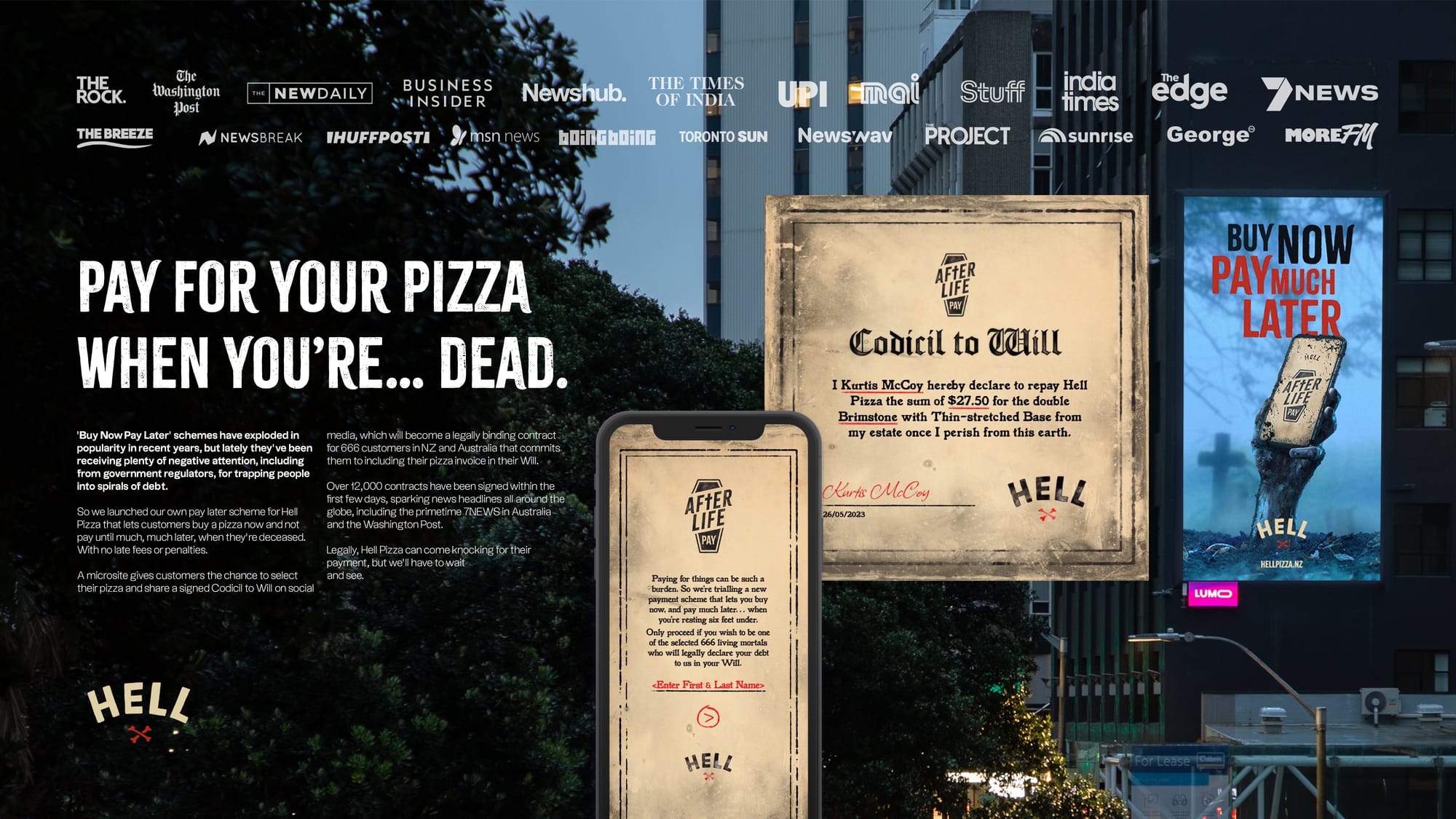
That’s Parody as Dumb Logic — using deliberately absurd reasoning to hold a mirror up to a broken system and let the reflection do the arguing. Hell Pizza offered AfterLife Pay — real pizza debt legally added to customers’ wills — to expose the ridiculousness of Buy Now Pay Later culture. MilkPEP invented Wood Milk, an alt-milk with no nutritional value, to demonstrate where alternative-milk logic ends up if you follow it far enough. MilkPEP’s dairy became the rational option by contrast, without making a single rational claim.
The question to ask is not “what’s wrong with the category?” but “what would the category look like if we believed its own logic completely?”
Inverting Common Sense: What if the opposite of the right thing is actually more honest?
Category conventions feel like common sense until a brand does the opposite — and the convention suddenly looks arbitrary.
What if admitting the thing your brand can’t do is more persuasive than claiming the thing it can?
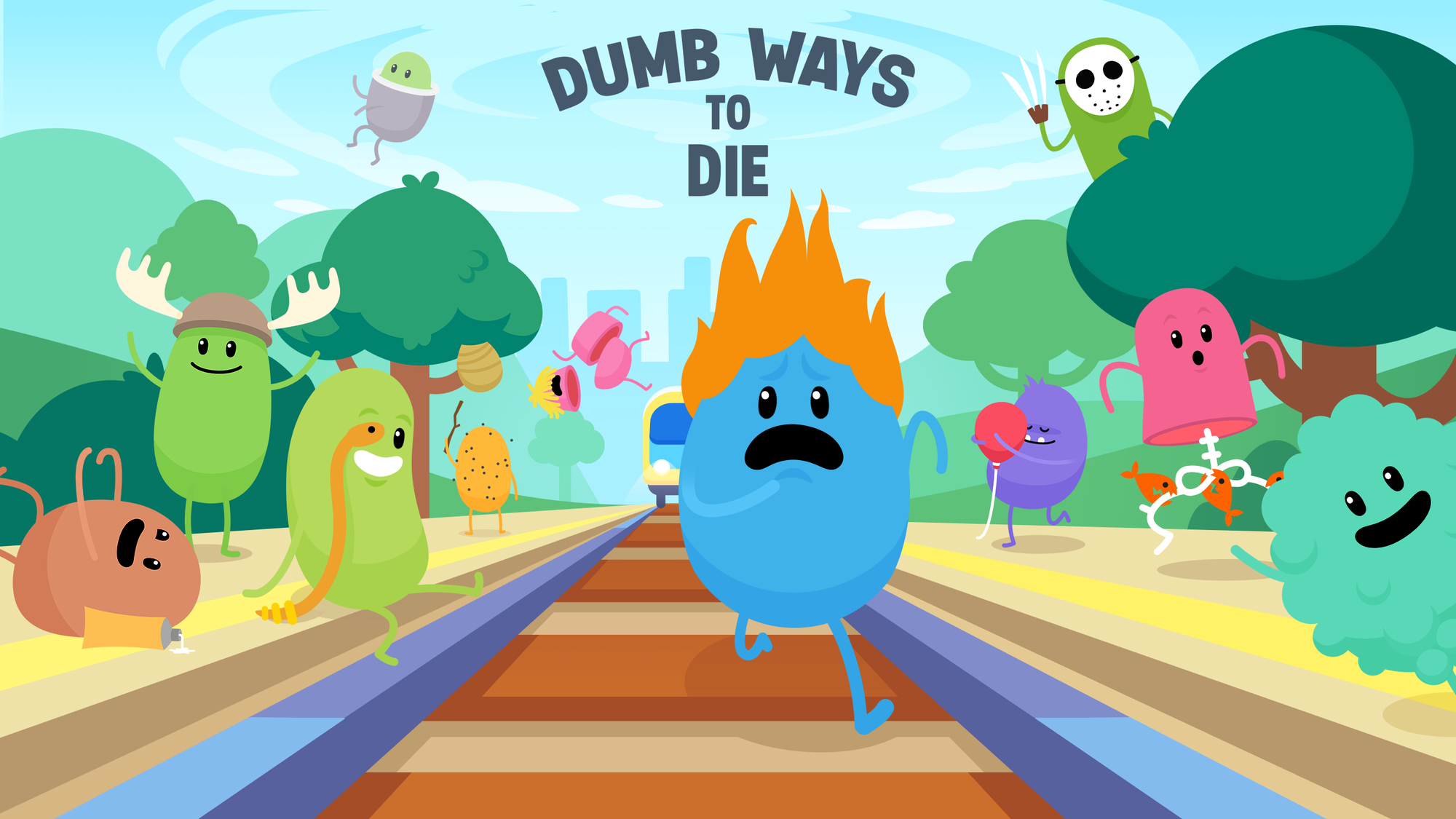
This is the core of Be Really Honest — saying the uncomfortable truth that no other brand in the category would dare to admit. Avis gave up the claim to being number one. Metro Trains gave up the solemn tone that safety campaigns had always assumed they needed, called train deaths “dumb,” and produced one of the most-shared public safety campaigns in history. Dutch Barn Vodka gave up the product benefit entirely and hired Ricky Gervais to explain, bluntly, that alcohol damages your brain — but people drink it anyway. In each case the concession was the argument.
What if doing the opposite of the expected thing revealed a truth the expected thing had been hiding?

That’s Reverse the Norm — flipping category logic to expose what it was concealing. Thai Airways rewarded people for not flying during a pandemic, earning air miles by staying home, keeping the airline meaningful while grounded. Joe Boxer launched an inactivity tracker during the peak of the fitness-tracking boom — a wearable that logged how little you moved. Swann Insurance built inconvenience stores hours from the city to give bikers a reason to ride, reframing the insurance as existing for the love of the journey rather than the fear of the accident.
The inversion only works when the conventional approach has become so automatic that nobody notices it anymore. That’s the moment when doing the opposite reads as clarity rather than contradiction.
Choosing the Worst Option: What’s the stupid alternative — and why does it reveal the truth?
Instead of finding a better answer to the brief, find a demonstrably worse one — and use it to make the real answer feel inevitable.
What’s the worst place you could put this product — and what would happen if you put it there anyway?
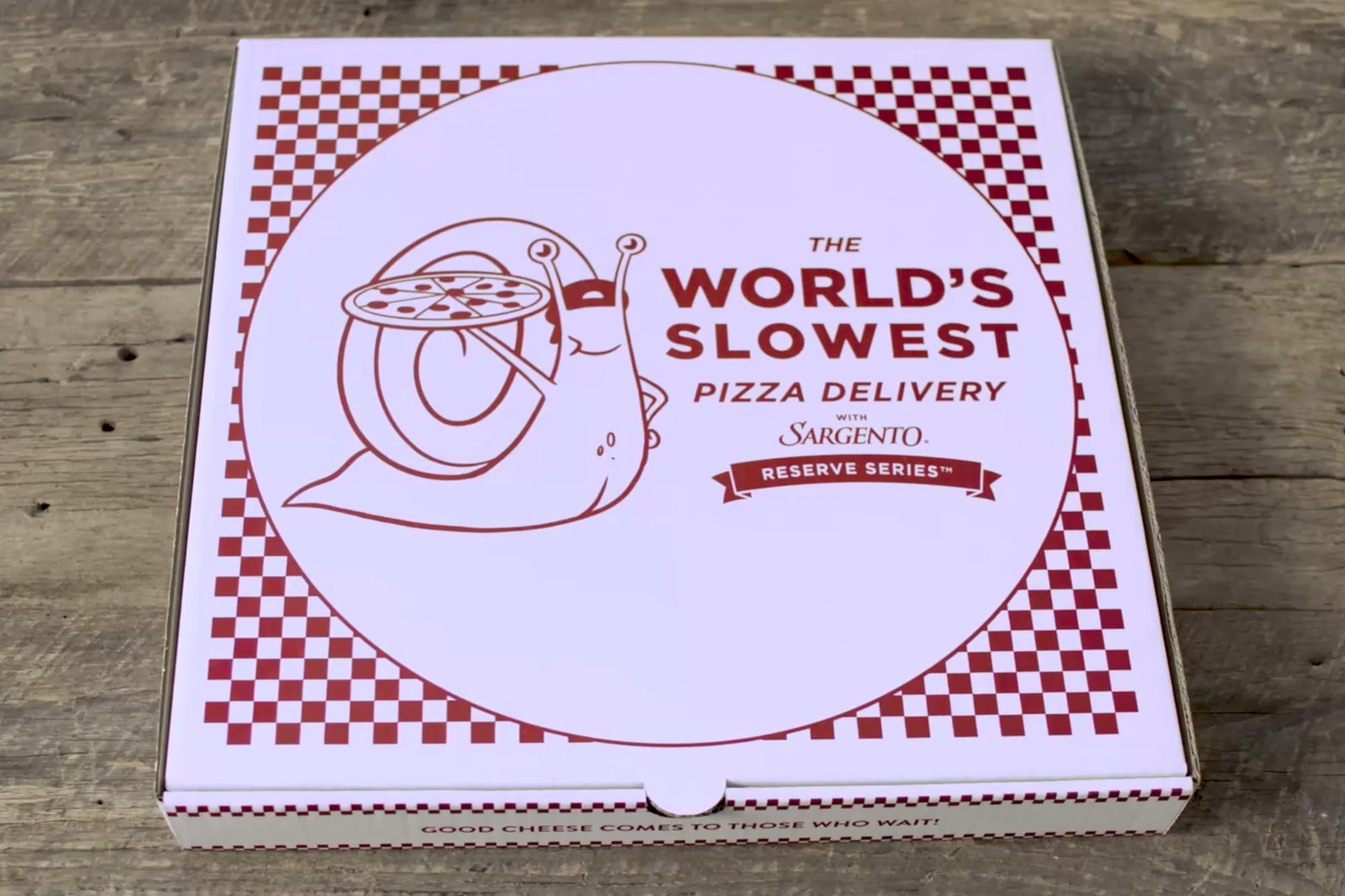
Dumbest Place to Put It turns context into argument. Sargento promoted aged cheese by offering the world’s slowest pizza delivery — a site where you could order, then wait months while the cheese matured before anything arrived. Rémy Martin made a film you couldn’t watch for 100 years, starring John Malkovich, locked in a vault and set for release in 2115, to prove their cognac was worth the wait. UNICEF installed vending machines selling contaminated water — labelled cholera, dysentery, typhoid — to make clean water access viscerally impossible to ignore. Each wrong context, chosen with precision, made the product’s truth impossible to miss.
What’s the worst possible combination — and why does the wrongness of it make a point nothing else could?
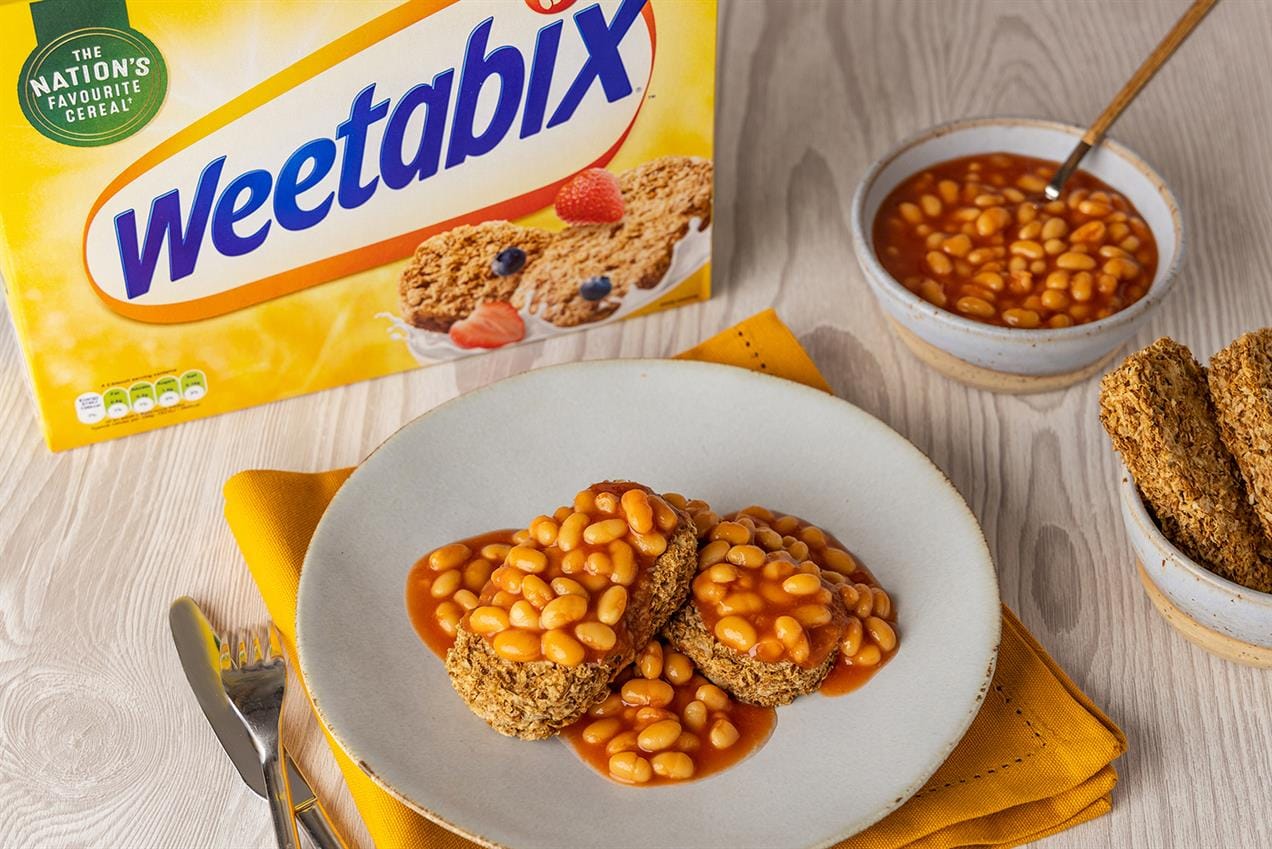
Worst Combination takes incompatibility and weaponises it. Weetabix suggested baked beans as a serving option and watched brands, media, and governments weigh in. Lynx launched a Marmite-scented deodorant. Ford made a smoothie from soy and coconut car interior materials to prove their sustainability credentials were real ingredients, not claims. The shock of the pairing is the proof. The shareability is the bonus.
Asking the Stupid Question: What feels embarrassing, obvious, or childish — but nobody asks?
The most powerful Dumb Thinking questions are the ones that sound like they’ve already been answered. They haven’t. They’ve been suppressed by professionalism.
Who is the last person you’d expect to deliver this message — and what does their voice do to it?
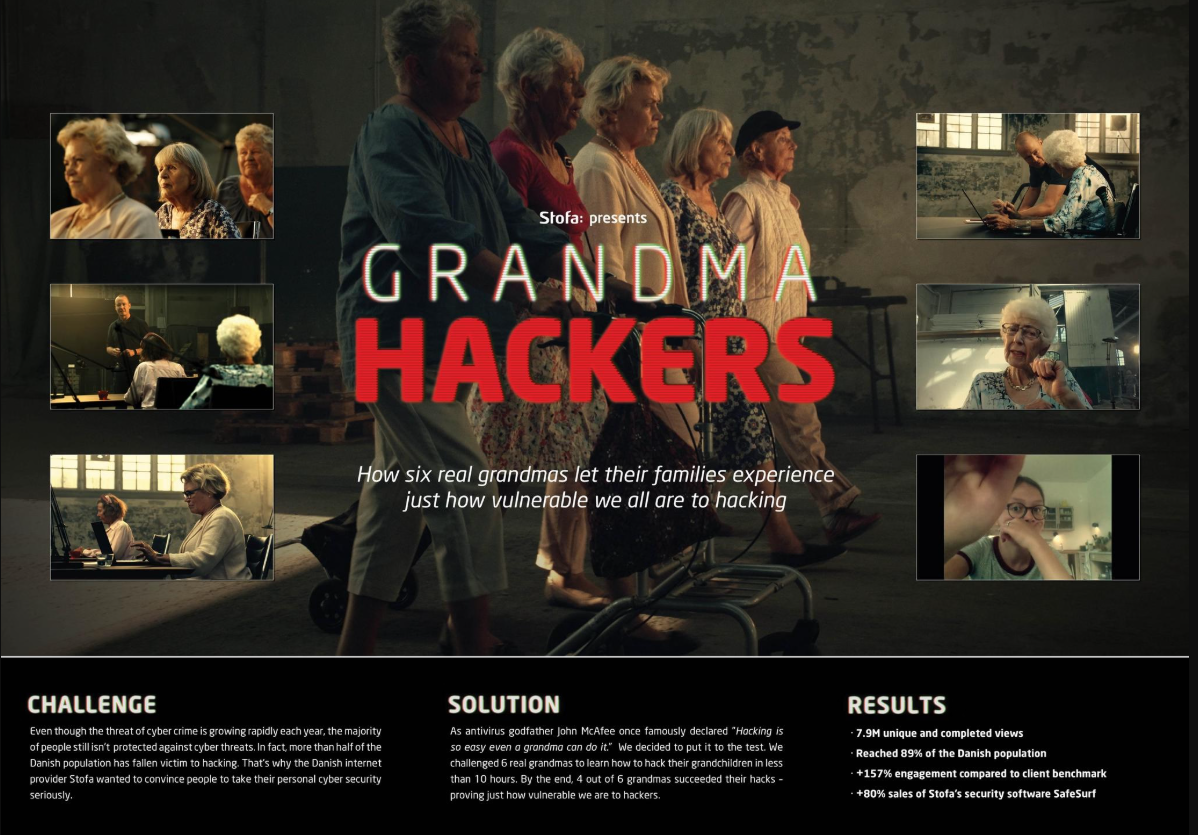
This is the diagnostic behind Unlikeliest Antagonist — turning a surprising villain or absurd force into the face of the problem. Stofa taught grandmothers to hack their grandchildren’s accounts to prove how easy cybersecurity breaches are. Within hours, real grannies had broken into real grandkids’ accounts. Save Salla had a snow-covered Finnish town bid to host the Summer Olympics to make climate change feel local and personal rather than statistical and distant. The unexpected antagonist produces alarm, recognition, or embarrassment — responses a conventional spokesperson can’t manufacture.
What if the behaviour your audience is doing wrong is actually completely reasonable — and the brief has been blaming the wrong thing?
That question unlocks Embrace Bad Behaviour from its sharpest angle: the misbehaviour makes sense, and the brand’s job is to get on the right side of it. Lululemon didn’t fight counterfeit leggings with legal action. They offered to swap them for real ones, no questions asked, using the counterfeit problem as proof of product desirability. KFC didn’t sue the knock-off chicken shops copying their branding across the UK. They thanked them publicly — AFC, ZFC, MFC — and invited them to an event, turning imitation into evidence of category dominance.
The stupid question is usually the one that asks whose side the brand is actually on. The answer is almost always more interesting than the brief assumed.
The test every Dumb Thinking idea has to pass
The question to ask of every idea this framework generates: does the dumb move make the truth land faster and harder than a straight argument would?
Dumb Ways to Die called train deaths “dumb” — two words that reframed the entire safety category and produced one of the most memorable advertising campaigns of the century. We Try Harder admitted second place in a category obsessed with winning and made Avis more believable than any first-place claim could have. The Tampon Book sold tampons as literature to expose a tax law as absurd as the workaround required to beat it. In each case the stupid idea is doing specific strategic work. When it isn’t, it’s just stupid.
The nine Dumb Thinking tactics
The questions above unlock nine distinct tactics, each with its own logic and its own family of campaigns. The first campaign example in each article is free. Members get the full set.
The Unlikeliest Ambassador — cast the person your product was never meant for
The Unlikeliest Antagonist — turn a surprising villain into the face of the problem you solve
The Dumbest Alternative — make your product look smart by inventing something much dumber
Dumbest Place to Put It — put the brand somewhere it clearly doesn’t belong
Worst Combination — mash together things that don’t go together and make it work anyway
Embrace Bad Behaviour — celebrate the rule-breaking behaviours other brands would hide
Reverse the Norm — flip category logic to reveal a smarter way forward
Be Really Honest — say the brutally honest truth no other brand would dare to admit
Parody as Dumb Logic — push dumb logic to its breaking point and let the absurdity speak for itself
Want Your AI to Think Like This?
These tactics come from the Thinking Engines — a library of strategic and creative guides built to be uploaded into your AI. Drop one into Claude, ChatGPT or Gemini, and it becomes a thinking partner trained on real campaign logic: generating territories, reframing briefs, and pressure-testing ideas.