

The brand that takes a phrase, a claim, or an assumption at complete face value — and actually follows through — creates a different kind of attention. Adland runs on figurative language. Deadpan literalism hits harder than wit when the gap between what's usually meant and what's actually shown is wide enough. Here are five tactics taken from the Wordplay Engine that take the brief at its word.
- Literalise the Expression
- Literalise the Brand Promise
- Literalise the Wrong Answer
- Literalise the Slur
- Literalise the Proof
1. Literalise the Expression
Take a familiar phrase, idiom or metaphor and make it physically true.
Get Feet Off Your Mind — Lamisil, T&P, 2026
Athlete’s foot is a small physical irritation with an irritatingly large ability to occupy your thoughts. T&P takes the idea of having feet “on your mind” literally. Ordinary objects and surroundings begin resembling feet until the sufferer seems unable to see anything else. Instead of merely telling us the condition is distracting, the campaign creates a world in which the expression is physically true. Lamisil then completes the wordplay by promising to Get Feet Off Your Mind.
Sleep Like a Baby (Nectar Sleep, 2018) took the familiar expression completely literally, transforming satisfied adult sleepers into babies while retaining their adult faces.
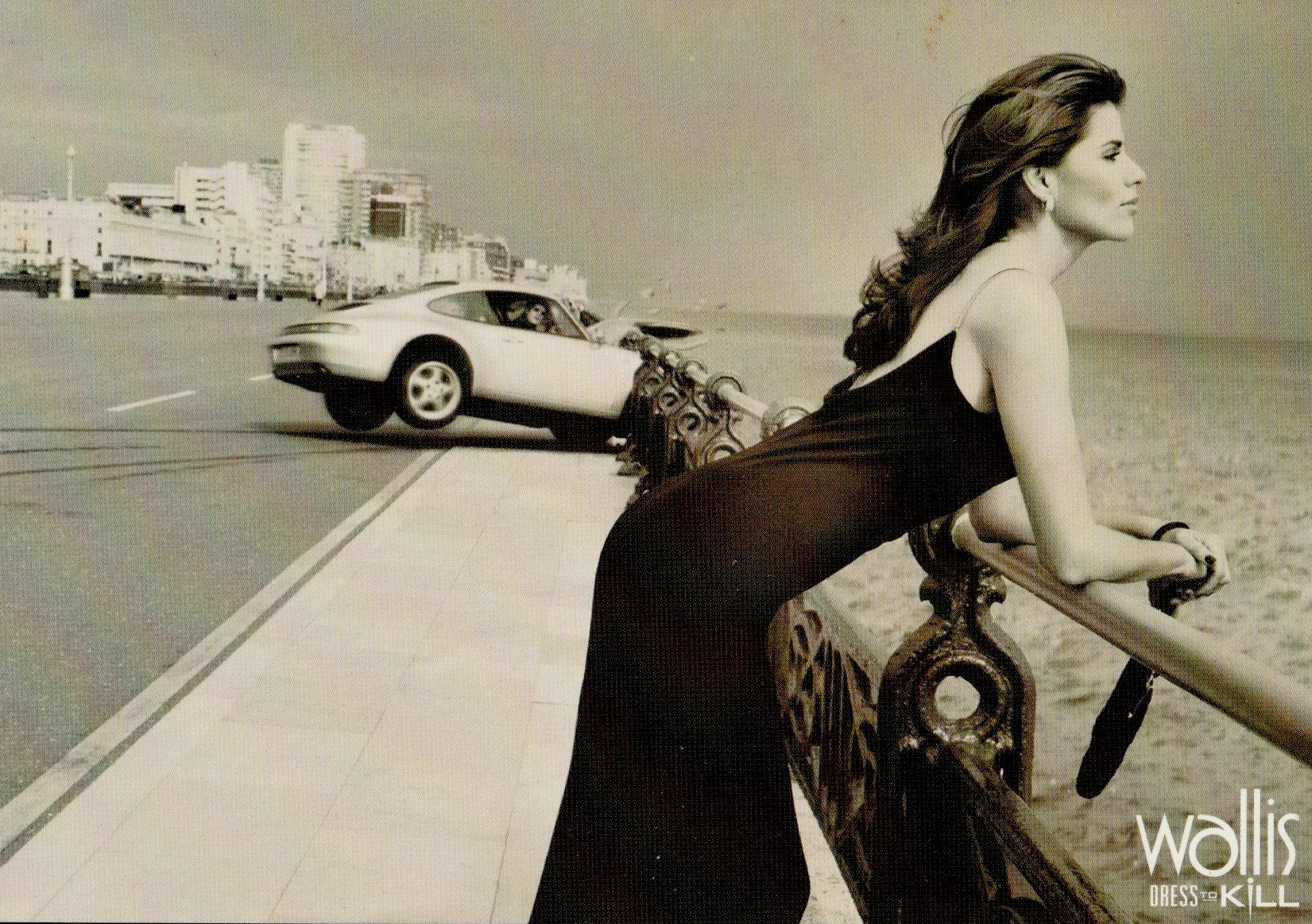
Hall of Famer Dressed To Kill (Wallis, TBWA\London, 2003) followed its familiar fashion expression to the physical endpoint, with distracted men walking into lampposts, stumbling off kerbs and crashing cars.
2. Literalise the Brand Promise
Take what the brand promises and create a world in which the words are literally true.
Get Almost Anything — Uber Eats, Special Group, 2022
“Get Almost Anything” could have remained a conventional range claim. Special Group instead treated it as an invitation to discover exactly how far “almost anything” could stretch. The campaign repeatedly follows the proposition somewhere unexpected, using increasingly unlikely deliveries and celebrity encounters to test the limits of the promise. The comedy comes from treating loose advertising language with unreasonable seriousness. Instead of merely claiming extraordinary range, Uber Eats creates a world governed by the literal implications of its own proposition.