

The fear of public humiliation is one of the most reliable motivators available to any campaign — and one of the least used. Not the abstract consequence. The specific, immediate dread of being seen doing the wrong thing, in the wrong place, in front of the wrong people. Social Death by Embarrassment doesn't threaten consequences. It makes the audience feel the cringe before it happens — and hands them the product as the way out. Here are five formats from the Consequences Engine that make social consequence the brief.
- The Humiliating Object
- The Public Mirror
- The Lifestyle Tell
- The Real-Time Exposure
- The Product as Social Shield
1. The Humiliating Object
Make the bad decision visible in the one place people hate most — their own hands.
Embarrassing Plastic Bags — East West Market, Rethink, 2020
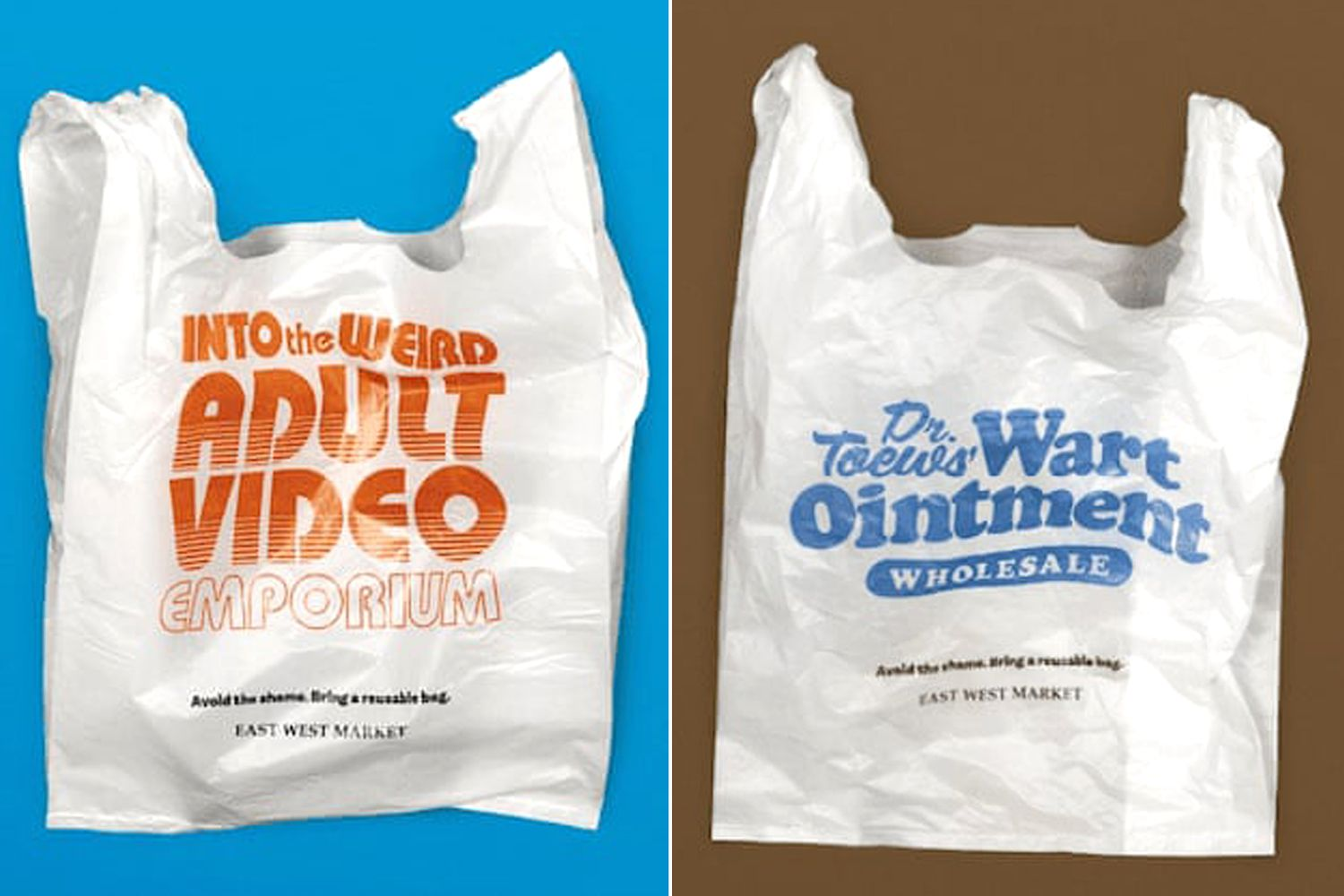
The brief: reduce single-use plastic bag uptake at a Canadian grocery store without a lecture. Rethink's answer was to make forgetfulness socially catastrophic. Plastic bags handed out at checkout carried fake, mortifying brand logos — turning every forgotten reusable bag into a public spectacle that followed the customer through the car park and into the street. Ninety-six percent of customers brought reusable bags. The campaign generated global PR and sparked imitations worldwide, proving what environmental messaging had failed to: that social pain moves people faster than planetary guilt.
2. The Public Mirror
Reflect the bad behaviour back at the person committing it — in public, with their name on it..
Mirrors of Racism — NGO Criola, W3haus, 2016
The brief: confront online racists who believed their anonymity protected them from accountability. W3haus took real racist social media posts and turned them into large-format billboards placed in the offenders' own neighbourhoods — using their names, their profile pictures, their exact words. The private act became publicly visible on familiar streets, to people who knew the offender personally. Accounts were deleted. Global conversation followed. The campaign generated a surge in searches about online racism by doing the one thing that online behaviour had always assumed was impossible: making it local. See campaign ->
Allstate's Social Savvy Burglar (Leo Burnett, 2016) had the brand's Mayhem character sell off a real couple's possessions on a live stadium screen — in real time, during a football game — as punishment for their social media oversharing. The mistake was made private. The consequence was made public. Tens of thousands of people watched.