

The best commerce purchase trigger is often happening right now. Rain. Buffering. A goalless match. A rival’s sale. A customer walking out of a fancy restaurant still hungry. Real-time commerce works because the timing of the message is doing the heavy lifting. Here are nine creative tactics from the Commerce Engine that turn the present into a purchase.
- Use the Weather as a Trigger
- Hijack a Competitor's Moment
- Make Live Sport the Commerce Engine
- Turn Time Scarcity into a Sales Event
- React to a Cultural Moment Before It Passes
- Fire at the Exact Moment of Frustration
- Let the Live Signal Set the Price
- Use Physical Proximity as the Live Trigger
- Build the Infrastructure So You're Always Ready to Fire
1. Use the Weather as a Trigger
The forecast isn't a media context — it's a purchase signal.
Rain — McDonald's, TBWA, 2019
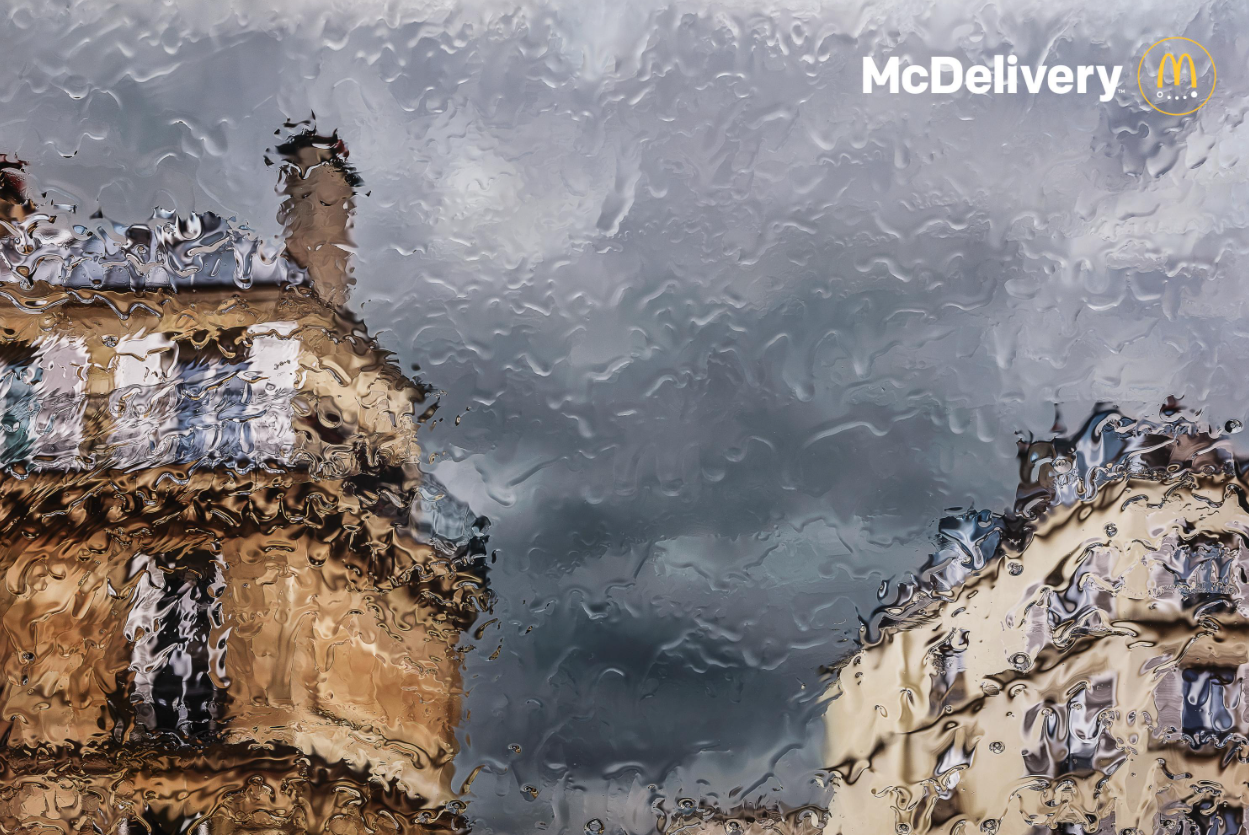
McDonald's wanted to grow app usage for delivery orders in France. The move: don't advertise delivery. Advertise it only the moment it starts raining. Weather-signal technology triggered Impressionist-style delivery ads at the exact moment rain began, linking directly to the app download. The message wasn't 'try delivery'. It was 'it's raining and you're hungry.' The timing did the selling.
Butlin's 'Rain Never Stops Play' integrated AdWords with live weather data, activating only when rain was actually falling — targeting families at precisely the moment their outdoor holiday plans had collapsed and an indoor alternative was most needed. Corona Sunset Insurance guaranteed beach travellers a perfect sunset or a free extension on their return date, triggered when weather conditions were confirmed poor.
2. Hijack a Competitor's Moment
Turn a rival's biggest investment into your acquisition tool.
Flippin' Amazin' — Flipkart, Leo Mumbai, 2026
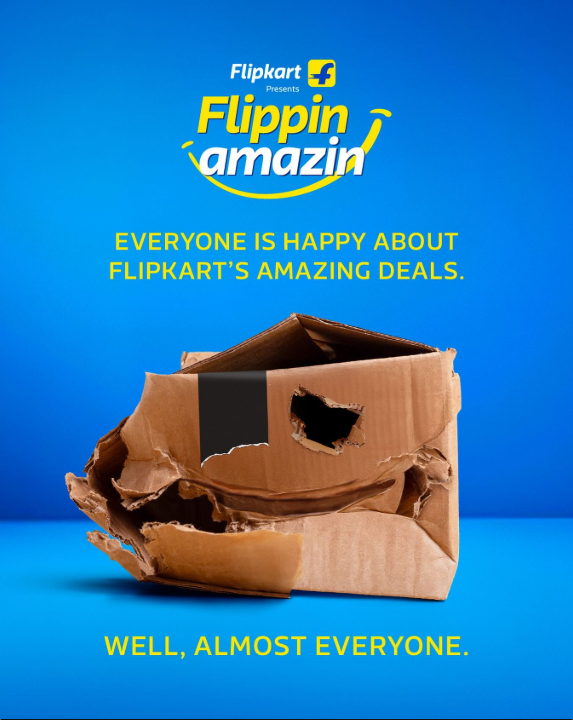
Amazon spends five times more than Flipkart during Prime Day in India — 45 days of saturation media that had trained Indian shoppers to associate deal season with a single platform. Rather than run a competing campaign, Flipkart turned every Amazon Prime Day ad into a trigger. The move: reframe the rival's media spend as an open challenge, intercept Amazon deal-hunters mid-intent, and redirect them to Flipkart with a better deal and the familiar cultural experience of bargaining. Result: 26% increase in new users on Flipkart during Prime Day itself — growth engineered entirely off a competitor's media budget.
The Whopper Detour geofenced 14,000 McDonald's locations across the US, unlocking a 1¢ Whopper on the Burger King app only when customers were within 600 feet of a McDonald's — over 1.5 million downloads in nine days, ROI of 27:1 — every rival location became an acquisition point. Buffer Rage (VOO, Happiness Brussels, 2018) added VOO's message to the buffering screens of Belgian media partners — the competitor's infrastructure failure became the exact moment VOO appeared with a solution.
3. Make Live Sport the Commerce Engine
Sport generates the most concentrated shared attention on the planet. The question is whether you fire into it or just sit alongside it.
Checking for Chicken — KFC, UK, 2022
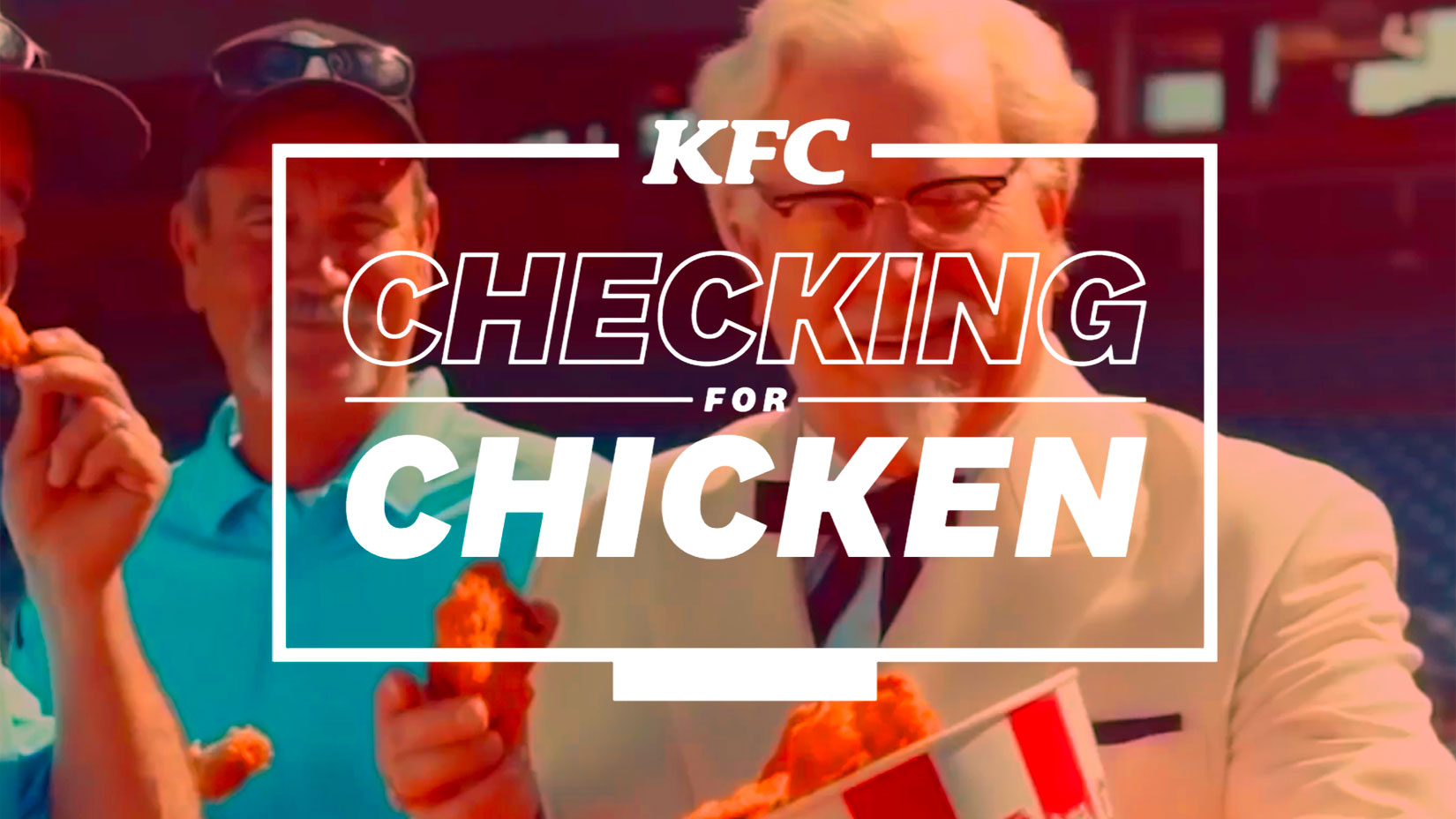
VAR reviews in football are dead time — frustrating pauses that drain momentum from the match. KFC turned everyone into a commerce moment. Whenever a VAR check occurred during a match, KFC pushed limited-time discount codes to the app: Offside Promo, Handball Discount, Penalty Offer. Different trigger, different deal. The result: KFC fans started hoping for VAR reviews. The worst moment in modern football became the most-anticipated moment on KFC's sales calendar.
VAR Discounts (Elgiganten, Nordics, 2019) matched TV flash sales to the exact minute of each VAR review — the longer the check, the bigger the discount on televisions. Heineken Score 0.0 ran increasing discounts on its non-alcoholic beer during Qatar World Cup matches for every minute they stayed goalless — reframing the most boring outcome in football as a savings opportunity.
4. Turn Time Scarcity into a Sales Event
The deal that expires in an hour is worth more than the deal that runs all month.
App O'Clock — Telstra, 2025
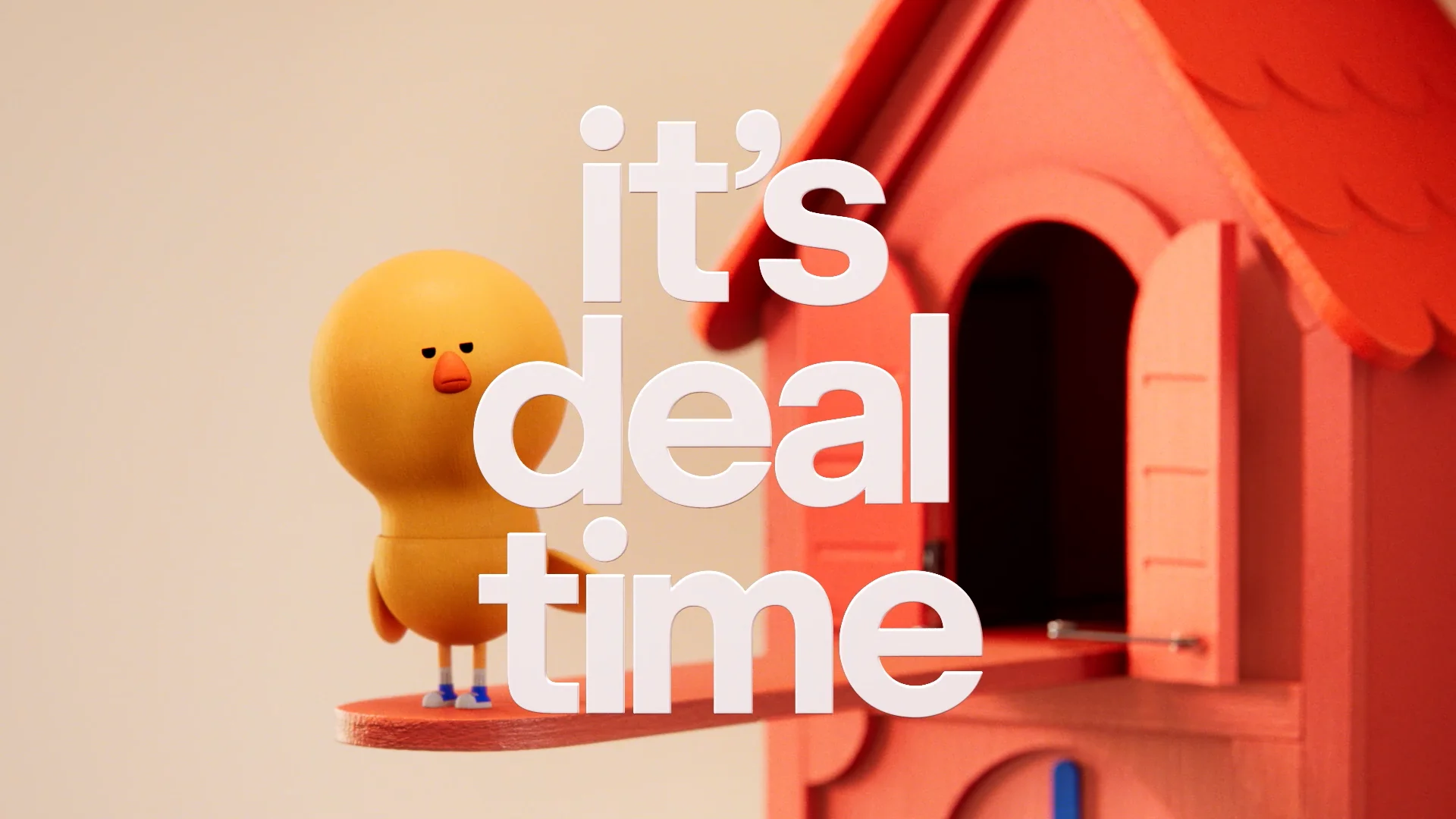
Telstra had six million app downloads and a problem: most customers only opened the app to pay a bill. The move: create a daily appointment around a random one-hour window — App O'Clock — during which an epic deal appeared exclusively in the app, available for that hour only. Rather than a single launch film, Telstra made a new film for every single deal, each featuring Colin, a belligerent cuckoo who appeared in feeds during peak doom-scroll periods to call deal time. Over one million additional app engagements, $11 million in new sales in 18 days and a ROAS of 14x — all from a deal that didn't exist for 23 hours of every day.
McDonald's Deals Stuck in Time (Sweden, 2024) made historical McDonald's ads from as far back as 2009 redeemable via the app — but only when customers found them, hidden in Google Street View. The deal was real. The hunt to find it made it feel earned. Taco Bell's Taco Moon offered discounts only when the moon appeared taco-shaped in the sky — a real astronomical event, a ludicrous trigger, a completely logical piece of Real-Time Commerce.
5. React to a Cultural Moment Before It Passes
Culture moves fast. The window to insert a brand is smaller than most briefs allow.
The Match That Sells — Silver Wolf, TBWA, 2025
Thailand bans alcohol advertising outright. Silver Wolf needed to launch a new whisky with no legal route to paid media. The move: legally rename amateur football players after the product's flavour notes — 'Smooth', 'Oaky', 'Sweet Aroma', 'Easy to Drink', and 'Silver Wolf' himself — before a real match. Announcers had no choice but to read the names live on air. The commentary became the commercial. A covert product pitch disguised as sports banter. Clips went viral. Result: over three million impressions and a complete sell-out in two weeks. The law said no ads. So they made the match the media.
Oreo Dunk in the Dark (360i, 2013) had a pre-approved real-time response team in place before the Super Bowl — so when the power cut happened, their legendary tweeted response was live in minutes. Volvo Interception ran contest entries during competitors' Super Bowl ads — every time a rival car brand appeared on screen, Volvo's entry mechanic fired.