


Get Into Culture

Nine ways to get into the conversation everyone's having.
Get Into Culture

Culture is the conversation everyone's already having. The brands that earn attention don't interrupt it — they join it, speak its language, understand its references, and show up where the audience is already emotionally invested. A language app teaching Valyrian, a snack brand reuniting Walter White and Jesse Pinkman, a soap opera character donating a kidney to a character in a different show — none of those brands bought their way in. They earned it by making the cultural moment bigger.

Here are nine creative tactics from the Get Into Culture Engine that put the brand inside the conversation.

  1. Own the obvious
  2. Resurrect a dead character to make the point
  3. Hijack the format to expose the issue
  4. Rewrite the script from the inside
  5. Bring the fictional world into the real one
  6. Turn a trending cultural object into a targeted offer
  7. Make the background character the star
  8. Use the cultural moment to expose a real problem
  9. Let the product steal the scene

1. Own the Obvious

Find the cultural moment where your product is the only logical fit — and get there first.

High Valyrian Lessons — Duolingo, HBO Max, 2022
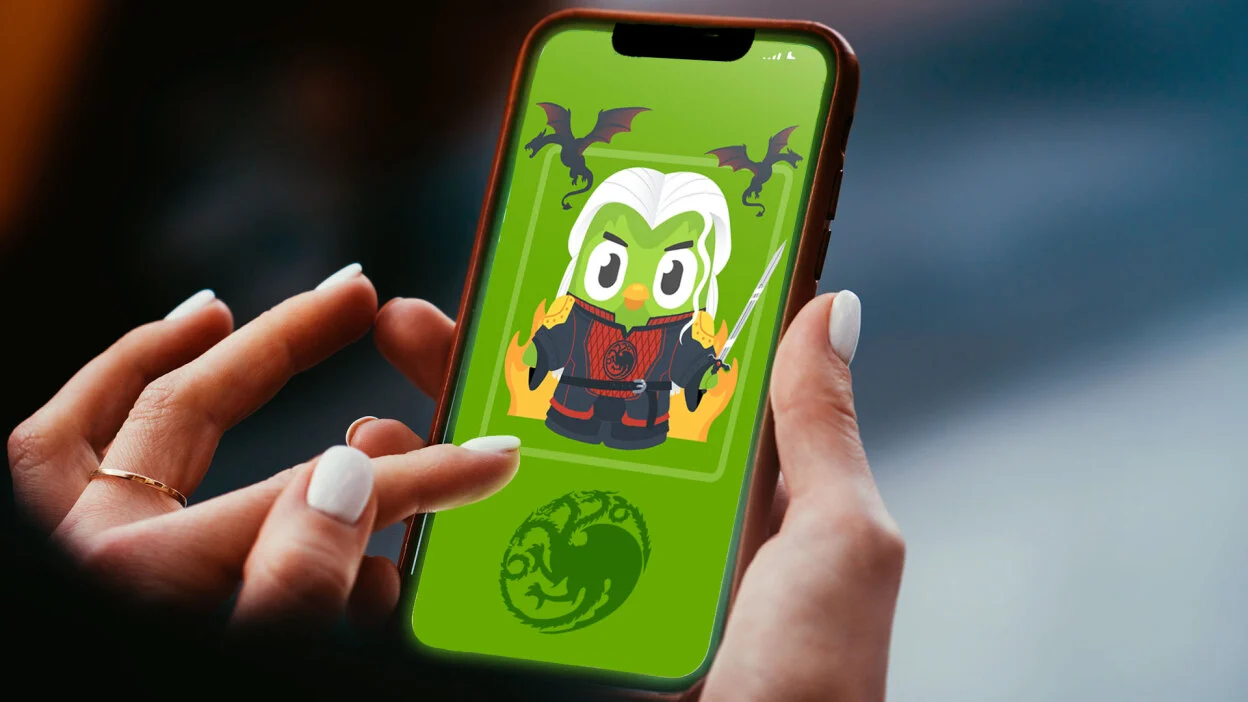
For the launch of House of the Dragon, the most anticipated TV prequel in years, Duolingo didn't buy a sponsorship or run a pre-roll. They built a High Valyrian language course — teaching fans the fictional language from the Game of Thrones universe. The launch included cryptic billboards written entirely in Valyrian, a challenge for a real sword, and viral content showing Duo the Owl on the Iron Throne. The partnership earned more press coverage for Duolingo than any campaign before it. Over 300,000 fans started learning High Valyrian, and 43% went on to start a real language next.

The Red Cross's Bleed for the Throne (Warner Media, 2020) used Game of Thrones' most distinctive cultural attribute — its bloodshed — to drive blood donations during an emergency shortage. Anyone who donated had the chance to watch the season eight premiere before the worldwide release.


2. Resurrect a Dead Character to Make the Point

Borrow the drama of a show's most affecting moments — and attach your message to the aftermath.

The Last Performance — Partners Life, Special Group, 2022

New Zealanders are among the most underinsured people in the world for life insurance. Partners Life wanted to change that — but a post-credits message from an insurance brand wasn't going to cut through. Instead, they integrated into a popular New Zealand crime drama, The Brokenwood Mysteries, where a character dies in almost every episode. Before the credits rolled, the dead character came back to life to make the case for life insurance — a custom scene for each victim, attached to the show's most emotionally resonant moment. During the campaign period, the Partners Life website saw 135% more traffic and a 75% increase in leads to financial advisors. See campaign ->

HBO's Sopranos Nicknames (Engine Group, 2019) used the 20th anniversary of the show's final episode differently — a single tweet offering custom mob nicknames to anyone who replied. Over 24,000 people responded, including Roger Federer, Lin-Manuel Miranda, and Laura Dern. Each nickname was custom-written in real time, referencing the person's name, reputation, and the show. One tweet. One day. One of the greatest Twitter threads of all time.
3. Hijack the Format to Expose the Issue

Replicate the visual grammar of a beloved genre — and use the familiarity to land an unfamiliar message.

Unseen Housewives — Unchained At Last, Area 23, 2023

Child marriage remains legal in 43 US states. Most Americans don't know it exists at scale. To make them notice, Unchained At Last and Area 23 didn't make a PSA — they made a reality TV show. Unseen Housewives is a fake series built using all the familiar tropes, direction, drama, and marketing of reality television. Child actors recreate the true experiences of child-marriage survivors, set against a format the audience trusts and watches compulsively. The closing line subverts the classic adage: "This show must NOT go on."

The Worst Soap Opera (UNICEF, Pagés BBDO, 2018) used the same structural trick in the Dominican Republic, where 37% of women marry before 18 — legal and widely ignored. UNICEF created a soap opera about an adult man living with an underage girl and the violence that followed. Viewers demanded it be taken off air. The reveal that these were real stories — not fiction — switched the outrage from the show to the law. Here We Flo's #NoMorePeriodDrama (Goodstuff + Hatch Collective, 2022) hijacked Bridgerton's stately dining-room aesthetic to make menstruation conversation feel absurdly overdue, driving a 50% uplift in prompted awareness and a 1,000% spike in web traffic.


4. Rewrite the Script From the Inside

Get inside the show itself — change what the characters say, and let the storyline do the work.

The Life Saving Soap Operas — Peruvian Ministry of Health, Circus Grey, 2019

Peru has the lowest organ donor rate in Latin America. Soap operas are the most-watched television in the country — when a leading character dies, it makes national news. The Ministry of Health worked with América Televisión to simultaneously alter the scripts of two of its most popular shows. In Ojitos Hechiceros 2, a leading character died and donated his kidney. In Sres. Papis, that kidney saved the main character's life. The crossover had never been done before. The meta-plot caught audiences entirely off guard. The campaign reached 8 million people and resulted in a 200% increase in organ donations.

Canal+'s Mission Really Impossible (BETC, 2019) rewrote the Mission: Impossible format from the outside — spoofing the franchise with geriatric operatives whose cataracts played havoc with iris recognition and whose shaky hands complicated bomb defusal, to dramatise the frustration of waiting years for films to air on TV. The Peruvian Ministry of Health campaign remains the gold standard: the story did the advocacy, and the advocacy was the story.


5. Bring the Fictional World Into the Real One

Take an object, character, or moment from a show — and make it tangible.

Breaking Good — PopCorners, Super Bowl 2023

Bryan Cranston's Walter White and Aaron Paul's Jesse Pinkman reunited in the iconic RV from Breaking Bad — six years after the finale — to cook up a batch of PopCorners air-popped snacks. The spot ran during the Super Bowl, using the show's full visual language, characters, and even Tuco Salamanca demanding seven flavours instead of six. The campaign didn't reference Breaking Bad. It was Breaking Bad, briefly, in service of a snack brand.

SAXX Underwear (Quality Meats, 2023) bought the original prop briefs worn by Bryan Cranston in Breaking Bad and blew them up in a desert stunt — complete with a Pontiac Aztek — to launch their campaign against primitive underwear habits. Twenty-five customers received charred shreds of the exploded underwear. HelloFresh brought Buddy the Elf's famous spaghetti dish to life as a real recipe-box product (2022) — turning a joke from a beloved Christmas film into something fans could actually cook. General Motors brought back Dr Evil (McCann, 2022) to front their EV ambitions — borrowing the character's theatricality to make a corporate sustainability story feel like a blockbuster.

The fictional world is already built. Walk through the door and bring the brand with you.


This post keeps going. Join to read everything for less than a mouse-shaped kitchen roll holder.

Subscribe to Big Ideas That Work for free tools and updates.

Join today, and we’ll send you the awesome Reframe Value tool.
Great! Check your inbox and click the link to confirm your subscription.
Error! Please enter a valid email address!