
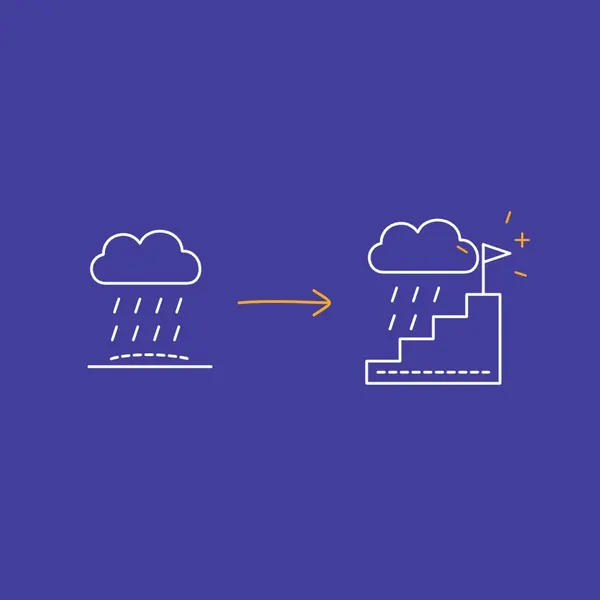
Most ads skip past the bad bit. These ones stay in it. As one of the most useful ways to Reframe the Meaning, turning a setback into a step keeps the rain, the pressure, the losing streak or the rejection exactly where it is. Then it changes what it means. The grey day becomes the reason to book. The family row becomes a lesson. The bad moment stays. Only its ending changes.
- Make the Bad Conditions the Cue to Go
- Sell the Pressure as the Point
- Make Failure Part of the Process
- Recast the Losing Streak as the Build-Up
- Flip the Feared Change into an Upgrade
- Give the Downtime a Second Life
- Make the Problem the Proof
1. Make the Bad Conditions the Cue to Go
Show the setback people are standing in, then hide the way out inside it.
Puddles — British Airways, Uncommon Creative Studio, November 2026, UK
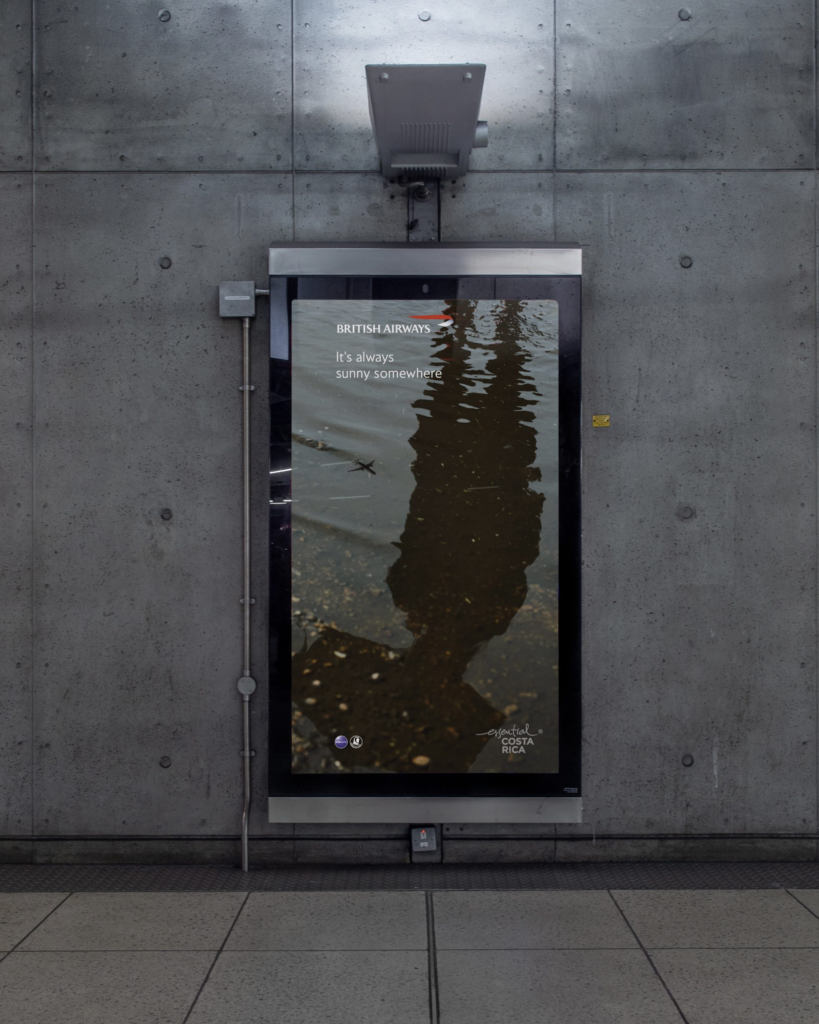
Winter-sun ads usually cut straight to the beach. British Airways stayed on the wet pavement. Photographer Daniel Benson shot British street life reflected in puddles, from the angle of someone looking down to keep their shoes dry, and every frame catches a plane crossing the grey sky. A warm destination sits in small type under the line “It’s always sunny somewhere.” The posters ran on digital six-sheets at London rail stations, right where commuters were standing in the weather. It takes a second look to work out what you’re seeing. By then, the rain has become the reason to book.
2. Sell the Pressure as the Point
Take the thing your audience is told to fear and sell it as the thing the best of them go looking for.
For Pressure Lovers — Under Armour, Uncommon Creative Studio, 2026, UK, France and Spain
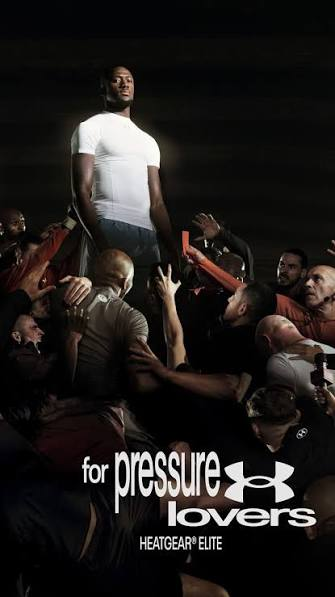
Footballers are coached to cope with pressure. Under Armour suggested they should want it. In films directed by Jenn Nkiru, Ibrahima Konaté and Ferran Torres are hemmed in by bodies pressing from every side. There’s no promise of relief. The squeeze is the appeal, and the brand sides with players who’d rather be in it than out of it.
3. Make Failure Part of the Process
Treat rejection as a normal stage on the way to greatness, not a sign to stop.
There’s an N and an O in Every ICON — Tanqueray, AlmapBBDO, 2026, Global
Look closely at the word ICON and there’s a NO sitting inside it. Tanqueray built a campaign on that, and on founder Charles Tanqueray’s 300-plus rejected recipes. Sarah Jessica Parker walks a corridor of doors slamming shut and ends up at a dirty martini. Posters pick out the N and the O in green. Every no is counted as part of the recipe, not a reason to give up on it.
4. Recast the Losing Streak as the Build-Up
Replay the history of disappointment, then make it the run-up to what happens next.
Hey Jude — adidas, Johannes Leonardo New York, 2024, UK
England fans know the montage by heart. Decades of tournament exits. adidas played it all before EURO 2024, over a darker, slower version of The Beatles’ ‘Hey Jude’. Then Jude Bellingham arrives, and the chorus comes back, with Beckham, Lampard, Ian Wright and Stormzy turning up along the way. It ends on ‘You Got This’. The heartbreak isn’t the story any more; it’s the build-up. And fans took the song with them, singing it in bars, fan parks and stadiums through the tournament.
5. Flip the Feared Change into an Upgrade
Start with the sentence everyone’s afraid of, then finish it differently.
AI Took My Job… to the Next Level — Fiverr, in-house, 2023, US
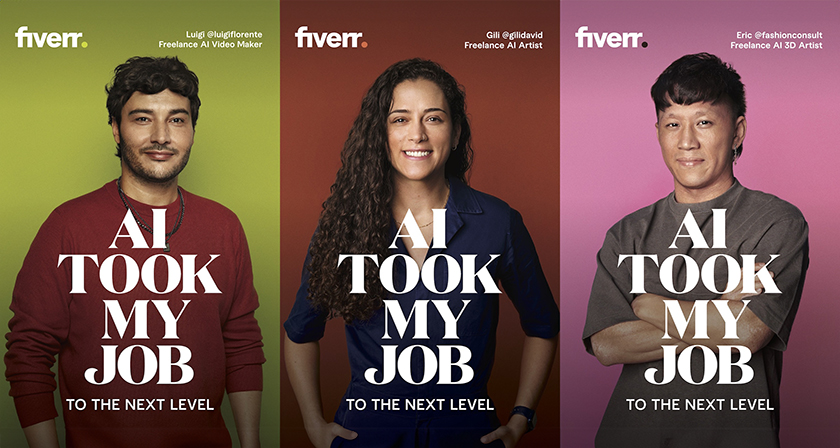
“AI took my job” is a sentence plenty of freelancers dread. Fiverr printed it big on New York posters, next to photos of real Fiverr freelancers who sell AI services. Then, in smaller type: “…to the next level.” The posters went up at Penn Station, Port Authority and the Midtown Tunnel. Commuters read the fear first and the ending second, which is the whole trick.
6. Give the Downtime a Second Life
Find a use for the days the body, the job or the calendar forces people to stop.
Project Free Period — Stayfree, DDB Mudra, 2019, India
For sex workers in India, a period can mean days without income. Stayfree and DDB Mudra filled those days with vocational workshops, so time lost to the body became time spent learning a trade so that one day they could escape being a sex worker. The programme was filmed and spread through PR. The period still comes every month. What those days mean is what changed.
7. Make the Problem the Proof
Admit the thing everyone complains about, then show what it’s actually good for.
Monopoly Causes Fights, and That’s OK — Monopoly, KesselsKramer, 2022, Netherlands and Belgium
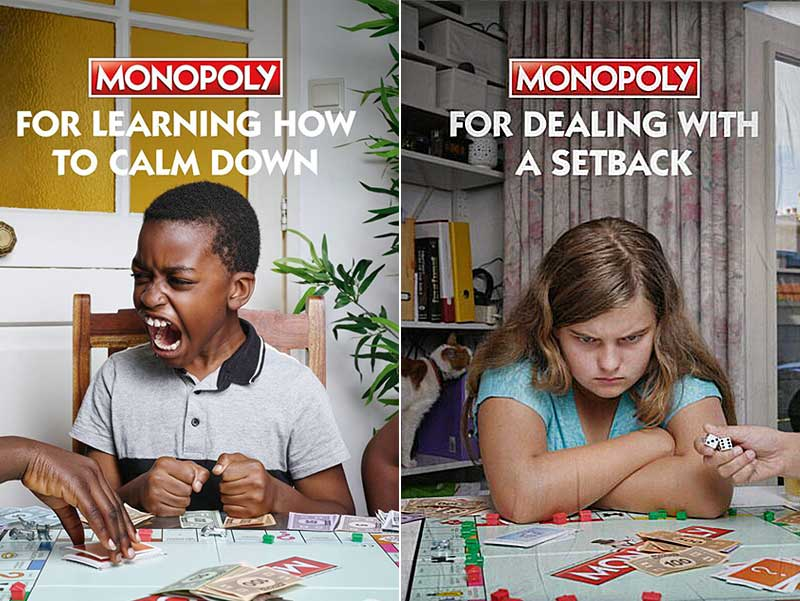
Everyone knows Monopoly ends in a row. KesselsKramer didn’t argue. It photographed children (cast for their real board-game meltdowns) losing it mid-game, and paired each tantrum with the lesson it teaches. The posters went up on the actual streets from the Dutch and Belgian boards, Kalverstraat and Coolsingel among them. The fights stay in. They just count as training now.
Other Ways to Reframe the Meaning
Turning a setback into a step is only one route. You could also:
- Reframe the everyday. Give a routine object, task or purchase a bigger human meaning, so something taken for granted starts to matter.
- Recast the symbol. Keep a familiar logo, icon or sign looking exactly the same and make it say something new.
And if the setback is a different kind of problem:
- It’s the brand’s own failure. Make the flaw the feature and let the admission do the selling.
- It’s a trait people get judged for. Reframe the stigma instead.
- People just need licence to try again. Give them permission.
The setback supplies the tension. The campaign earns the shift by keeping it in view and changing what happens next.