

A character fluent device needs a face. A scenario device needs a feeling - one your audience recognises instantly, and your brand reliably resolves. The setup is always the same. The outcome is always the same. That predictability is the point. Specsavers doesn't need a mascot because embarrassment is the mascot. Snickers doesn't need a spokesperson because hunger is the spokesperson. Here are five creative tactics for building a scenario that earns its keep across time.
- Own a universal embarrassment
- Make the feeling the mascot
- Turn disappointment into a contract
- Own the moment nobody else wants
- Know when the device has legs — and when it's borrowed them
1. Own a Universal Embarrassment
Find a moment of avoidable humiliation — and make your brand the thing that prevents it.
Should've Gone to Specsavers — Specsavers, The Agency
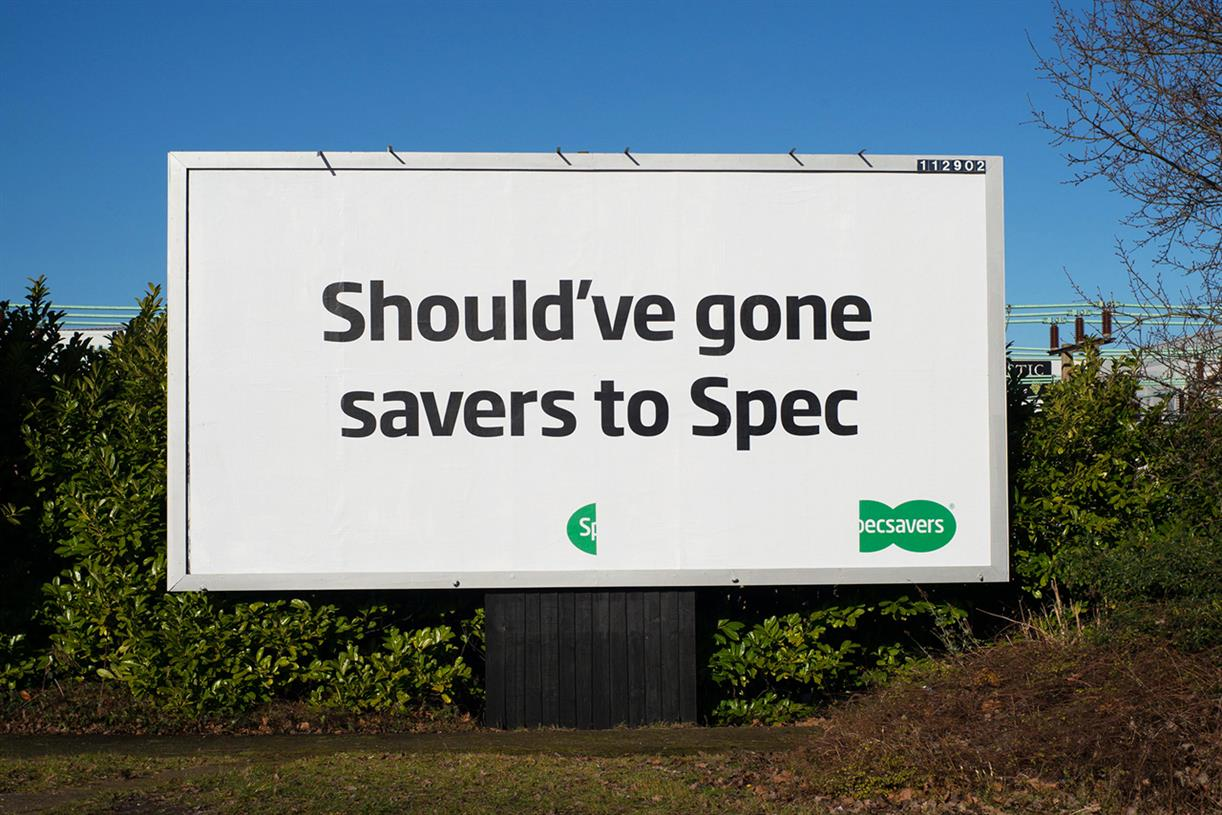
Specsavers needed to make eye tests feel urgent in a category people actively avoided. The scenario they built was simple: someone misjudges reality because their vision is poor, with comic consequences. A farmer shears a sheepdog. A referee waves off a perfectly good goal. A delivery driver hauls a package up a tower block only to find he's got the wrong number. Every execution is a fresh variation on the same inevitability — and the resolution is always the same four words. The scenario has been running for over two decades. The phrase entered everyday British speech as shorthand for any preventable mistake, regardless of whether eyes are involved. When a device migrates from advertising into language, it's no longer a campaign. It's cultural infrastructure.
AAMI's "Lucky you're with AAMI" runs the same logic in a different category: chaos caused by people who mean well — kids, families, domestic mishaps — with the insurer as the calm resolution. The scenario is always well-intentioned human error. The brand is always the steady hand.