

A character-fluent device creates a shortcut in the brain that becomes faster and more valuable every time you use it. The IPA data is unambiguous — brands with character fluent devices generate the emotional equivalent of 12 extra points of share of voice. Not from extra spend. From the character doing the work.
Here are five creative tactics for building a character that earns its keep for years.
- Give the character a flaw, not just a face
- Let the character drive the plot
- Make the character culturally reactive
- Build the brand world around them
- Deploy them everywhere the audience lives
1. Give the Character a Flaw, Not Just a Face
Invent a character with something wrong with them — and watch the audience root for them anyway.
Krispy Fried Duo — Duolingo, 2022
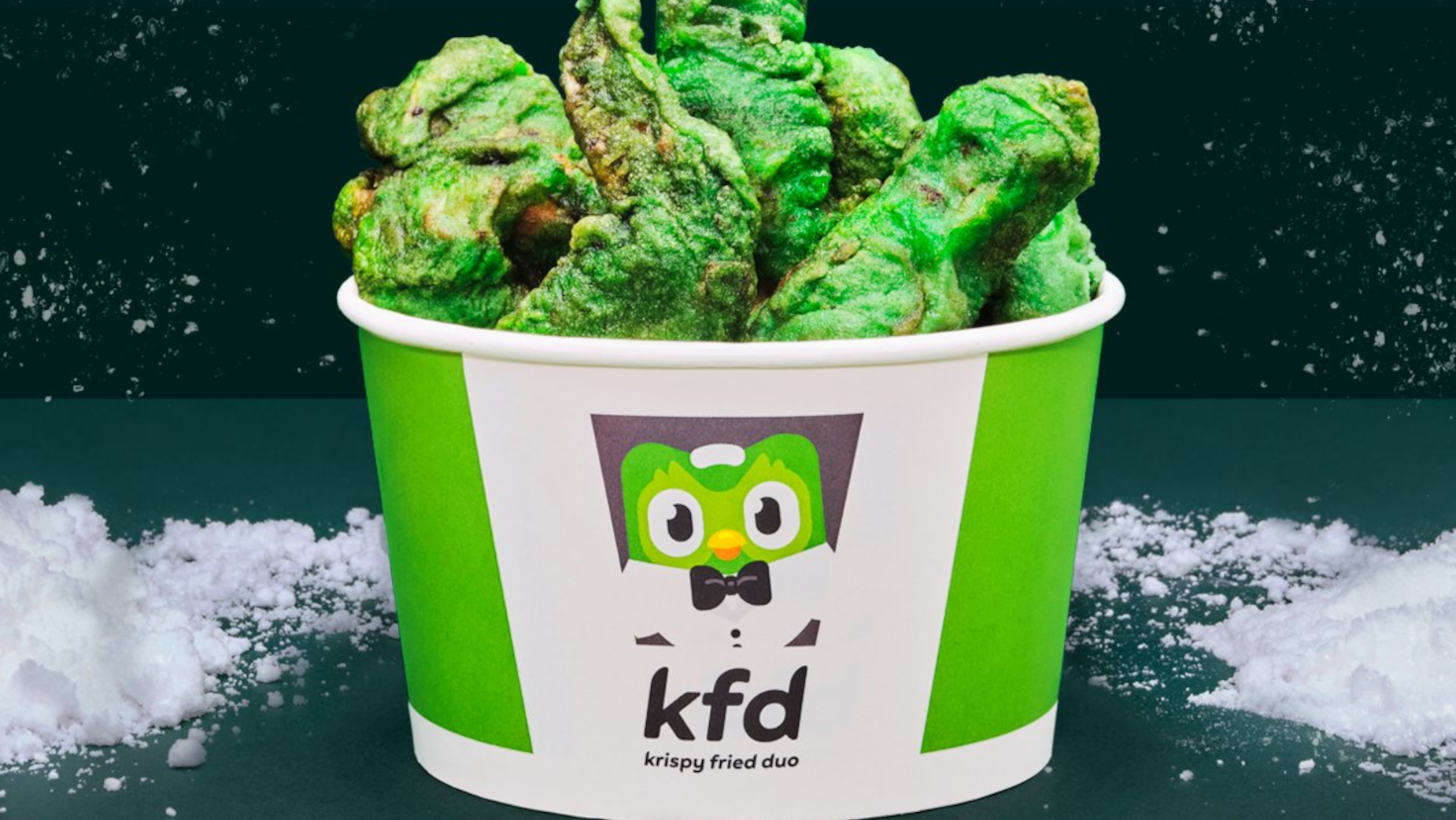
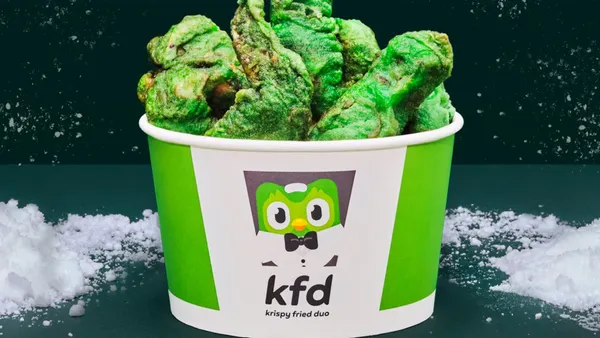
Duolingo's brief was retention — keeping users coming back to their language app. Their answer was to lean into the one thing their mascot was already famous for in the app: being menacing. The green owl Duo had built a reputation for passive-aggressive streak reminders. Rather than soften that, Duolingo sharpened it. They parodied Japan's KFC Christmas tradition by launching KFD — Krispy Fried Duo — offering 'sacrificed' fried owl buckets as rewards only for users who kept up their lessons during the holidays. The result: a character whose flaw (obsessive, slightly threatening) became the campaign mechanic.
M&Ms built an entire ensemble of characters around distinct personality clashes — Red's arrogance, Yellow's naivety — with the tension between them doing the storytelling. Old Spice's "The Man Your Man Could Smell Like" worked because the character was performatively absurd, playing his own excess for laughs.