
Protection campaigns usually speak on someone or something else's behalf. The insurer speaks for the house. The charity speaks for the animal. The museum speaks for its collection. Etc..
Personification changes the speaker.
Give the vulnerable thing a voice, agency or altered form and it can make its own case. A house can ask to be strengthened. A laboratory rabbit can describe his working day. A dinosaur can advise humanity on extinction. A human body can be redesigned around the violence of a crash.
Here are six ways to let the thing at risk do the talking.
- Give the thing at risk a voice
- Give the victim the microphone
- Let it ask for its own protection
- Let the lost warn the living
- Rebuild it to survive the threat
- Let the body speak for itself
1. Give the Thing at Risk a Voice
Let the vulnerable thing tell us what it needs before the damage happens.
If Your Home Could Talk — Suncorp Insurance · Leo Burnett Australia · 2023
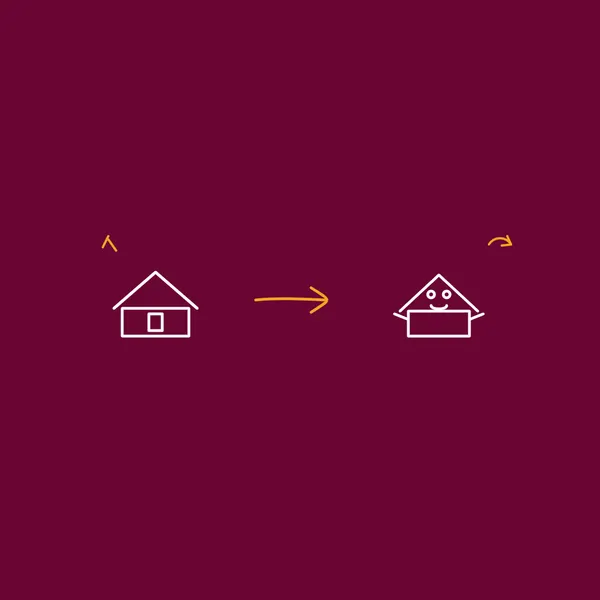
Homes protect us silently, which makes it easy to overlook what they need in return. Suncorp reversed that relationship by telling its resilience story from the house's point of view. The home remembers family life, weather and everything it has sheltered, then asks its owners to make it stronger before extreme conditions arrive. Instead of an insurer warning people about climate risk, the thing exposed to the risk makes the request itself.
The shift is simple but useful: find the thing people rely on, then imagine what it would ask them to do if it could finally speak.
2. Give the Victim the Microphone
Let the vulnerable party describe the system from the inside.
Save Ralph — Humane Society International · Spencer Susser · 2021
Animal-testing campaigns can show cruelty from the outside. Save Ralph lets the animal explain it. Ralph, a stop-motion rabbit voiced by Taika Waititi, calmly describes his life as a cosmetics tester: his injuries, his family of testers and the work he accepts as normal. His politeness makes the system more uncomfortable, because nobody has to tell us how cruel it is.
This route works because testimony changes the relationship. We are no longer hearing about the victim. We are listening to them.