


Every brand below the luxury line has the same problem: the label arrives before the product does. People have already decided how they feel based on the name, the price, and the shelf position. Luxury Deception removes the label entirely — places the product somewhere it can only be judged by experience, and waits for the verdict. Then delivers the reveal. The audience can't un-taste the chicken. They can't un-praise the shoes. They can't un-enjoy the meal. The experience is the proof, and the proof is now on record.
Here are seven Trojan Horse tactics that let the product earn what the brand cannot.
- Strip the label and let the product speak for itself
- Let the experts of a higher-status world deliver your verdict for you
- Place your product inside an institution that confers credibility by association
- Claim the accolade you were never supposed to be eligible for
- Speak the language of the category that dismisses you
- Adopt the codes of a rival your audience already trusts
- Use a luxury setting to expose the prejudice built into people’s judgment.
1. Strip the label and let the product speak for itself
Remove the brand. Keep the product. Let people tell you what they actually think.
Palessi — Payless, DCX Growth Accelerator, 2018
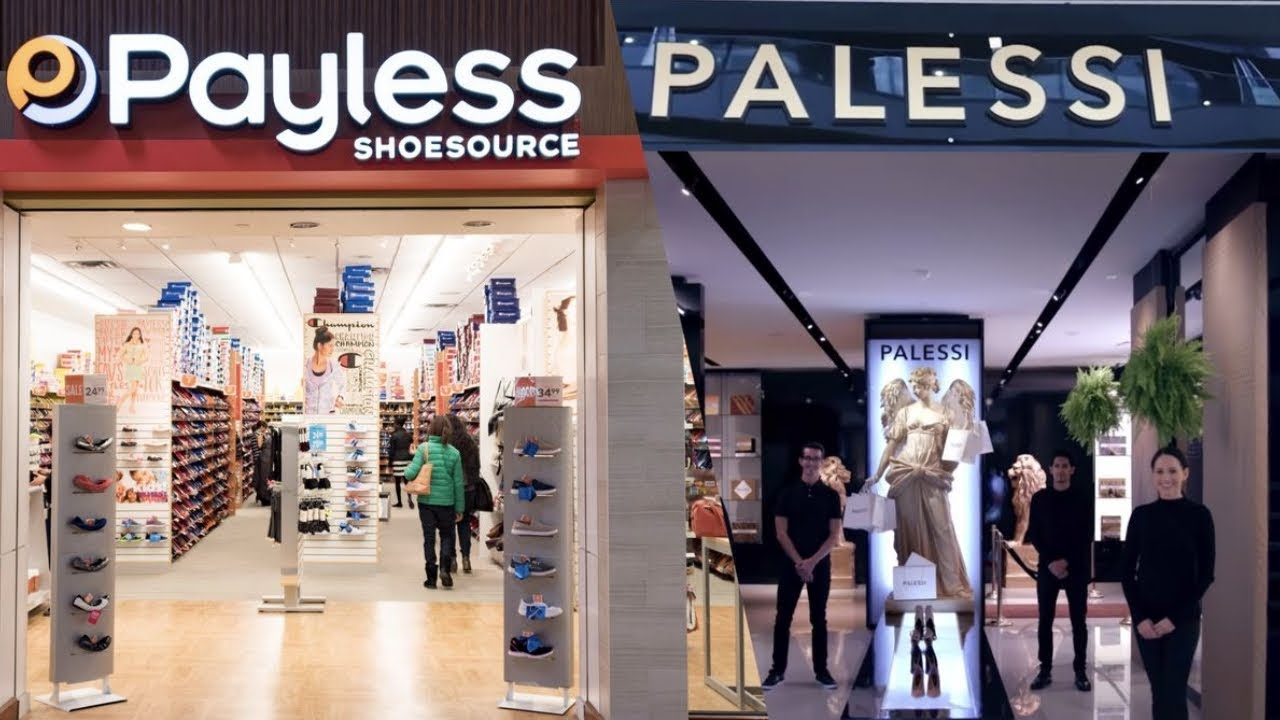
Payless had a reputation problem. Not a product problem. To prove the difference, they opened a fake luxury boutique called Palessi in a high-end location, stocked it with regular Payless shoes, and invited fashion influencers to a launch event. Hidden cameras captured guests handling the shoes, praising the craftsmanship, attributing depth and artistry to the designs, and paying up to $640 for shoes that retailed for $20. Then came the reveal. The campaign generated massive earned media, went viral globally, and reframed Payless as a brand whose product quality had been obscured by a discount reputation.
Gregory & Gregory (Greggs, 2018) opened a fake artisanal pop-up at a food festival under a posh-sounding name and served Greggs' food to guests who praised the "artisan" quality — before the reveal confirmed it was Greggs all along.
2. Let the experts of a higher-status world deliver your verdict for you
Put the product in the room where reputations are made — without telling anyone whose it is.
KFC Degustation — KFC Australia, Ogilvy, 2022
KFC was seen as low-quality fast food in Australia. Rather than argue with that perception, KFC created a social-first degustation experience designed to make people see the brand differently. With the help of a celebrity chef, its products were turned into an 11-course menu and served in a restaurant built specifically for food influencers and their feeds. Every detail was designed to be photographed, shared and talked about. The idea wasn’t to lecture people about quality, but to place KFC inside a premium-looking context that influential people would willingly broadcast. Once that content spread beyond the room and into mainstream media, the contrast did the work: the brand people thought they knew was suddenly showing up like fine dining. See campaign ->
Justin Youraldi (Aldi, 2024) had a flamboyant fake sommelier serve Aldi wines at a society event, with guests raving about the quality, believing them to be high-end bottles — until the reveal that each bottle cost £4.99. The expert's enthusiasm was the proof of concept. The label was the punchline.