
Jameson · 2045 · August 2026
Most sponsorships announce what fans can win. Jameson let them think they had found something they should not have. A supposedly leaked streaming code turned access into a secret, fans into distributors and a promotional offer into a story people wanted to share.
Challenge
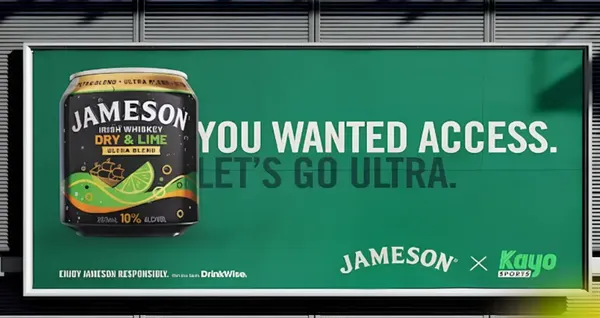
Jameson wanted to strengthen its association with Australian footy, minus another sponsorship message. It had Kayo SPORTS, creator Dan Gorringe and an MCG partnership. Three assets, no connective idea. It didn't need a bigger campaign. It needed something fans would find and spread themselves, before Jameson said a word.
Strategy
Instead of announcing free Kayo SPORTS access, Jameson made it look like an accident.
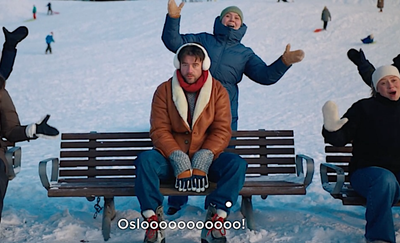
Dan Gorringe's account details appeared, apparently by mistake, during viral forfeit content with Collingwood's Nick Daicos. Fans spotted the code. They tried it. It worked, for anyone not already subscribed.
From there, Jameson didn't have to do anything. The code moved through social channels, fan pages, Reddit, and OzBargain on its own, gaining credibility the more unofficial it looked. Nobody was sharing a sponsor's message. They were sharing something they'd found.
Execution
Dan issued a mea culpa. Jameson and Kayo revealed the "mistake" had been staged from the start.
Rather than closing the loophole, the brand rewarded it: eligible new and returning customers who'd successfully used the code kept two months of "Ultra" Kayo SPORTS Access.
Fans also got the chance to win pitchside access to Jameson's Ultra Bar at the MCG. Three winners watched Collingwood play Brisbane with Dan himself.
The campaign never opened with a sponsorship announcement. It opened with something fans thought was theirs, then turned the follow-through into the reward.
Campaigns That Used Similar Tactics
Mistakes as Marketing Assets: Create or exploit an apparent error, typo, misprint, misnaming or accident to drive curiosity, participation or trust.
Fare Errors — Flybondi · Hoy Buenos Aires, 2021
After Argentina’s prolonged lockdown had left grounded passengers angry with airlines, Flybondi deliberately created the kind of pricing error travellers rush to exploit. It quietly lowered fares for a limited period, while travel influencers alerted followers before the apparent mistake could be corrected.
Once the tickets had sold out, Flybondi revealed that it had deliberately let customers beat the system. The campaign increased ticket sales by 60% during its first three days and drove almost 40% more traffic to the airline’s ecommerce platform.
The Billion Point Giveaway — Velocity Frequent Flyer · CHE Proximity, 2018
After a series of unacknowledged loyalty-scheme mistakes had weakened customer trust, Velocity made one deliberately. It claimed an intern had accidentally added 999 million points to its Million Point Giveaway, turning it into a Billion Point Giveaway.
Velocity honoured the “mistake” and distributed the points across Australia. The accompanying mini-series received more than seven million views, while the campaign generated goodwill and improved year-on-year sales.
Both campaigns use the same move as Jameson: hide generosity inside an apparent mistake, let people enjoy the feeling of getting away with something, then reveal that the brand intended them to benefit all along.
The Question That Could Get You There
What valuable benefit could we let people believe they discovered by mistake?