

The problem with most ambassadors is that they arrive carrying somebody else’s words. They may be real customers, fans, or community members, but the moment the script takes over, much of the authenticity disappears.
Authentic Ambassadors works differently. It lets the people who live the reality carry the meaning: exposing what the category hides, defining the brand themselves, correcting lazy assumptions or showing exactly what genuine access can change.
Here are six ways to hand over the message without losing the idea.
- The Unfiltered Reality
- The Audience-Authored Brand
- The Local World Owned
- The Living Correction
- The Unscripted Reaction
- The Access Grant
1. The Unfiltered Reality
Replace the category’s polished version of life with the version real people actually experience.
Not Every Smile Starts as a Smile — Colgate, VML France, 2025
Toothpaste advertising usually begins with a happy child and ends with a brighter smile. Colgate showed what many parents experience before that point: tears, resistance and the daily struggle to get children to brush. Real families made the campaign feel less like an oral-care fantasy and more like a brand that understood the job.
No Ordinary Love — Hinge, Dazed Studio, 2026
Hinge invited real couples to share the awkward, vulnerable and occasionally unpromising beginnings of relationships formed on the app. Contemporary writers transformed those stories into a free literary and audiobook anthology. The imperfections did more for Hinge than another collection of polished success stories could.
True Dasher Stories — DoorDash, DoorDash In-House / Imperial Woodpecker, 2026
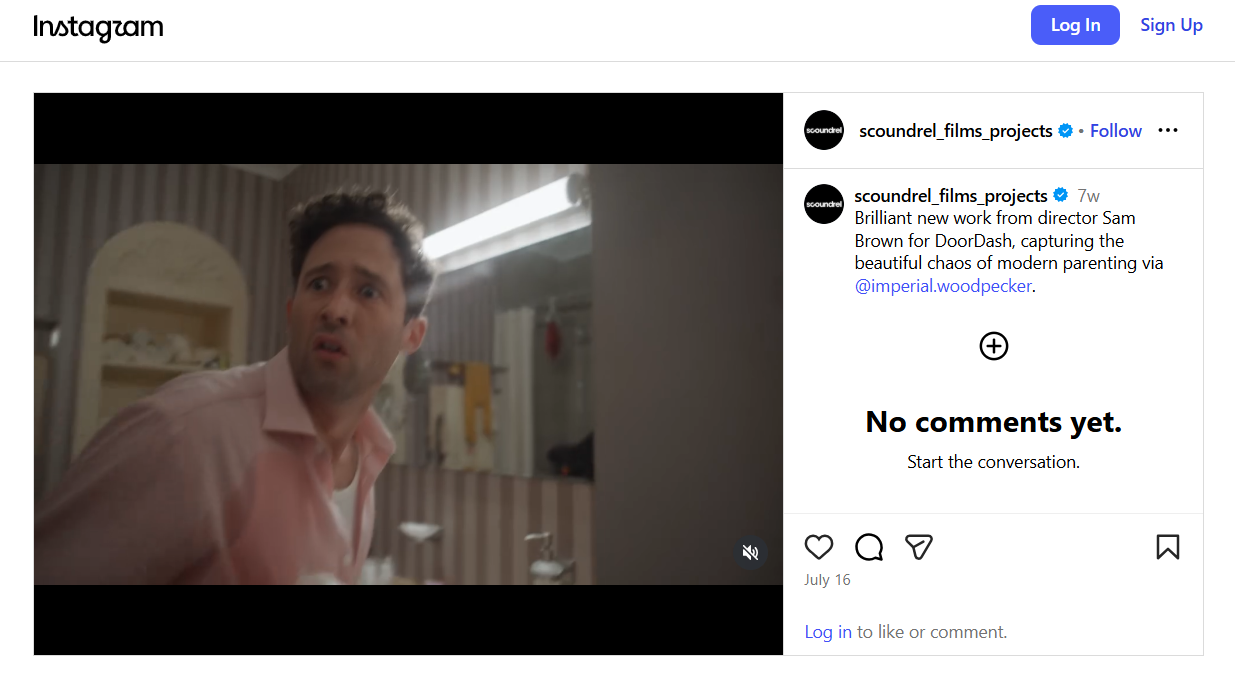
DoorDash took unusual moments real Dashers experienced and retold them as surreal cinematic stories. The filmmaking amplified the entertainment, but the strangeness underneath it came from genuine delivery experiences.
The creative move: Find the part of the customer experience your category normally cleans up. Let real people put the mess back in—and make the brand’s understanding visible.
2. The Audience-Authored Brand
Remove the brand’s prepared answer and let the audience define what it means.
What Is ARTE to You? — ARTE, KesselsKramer, 2023
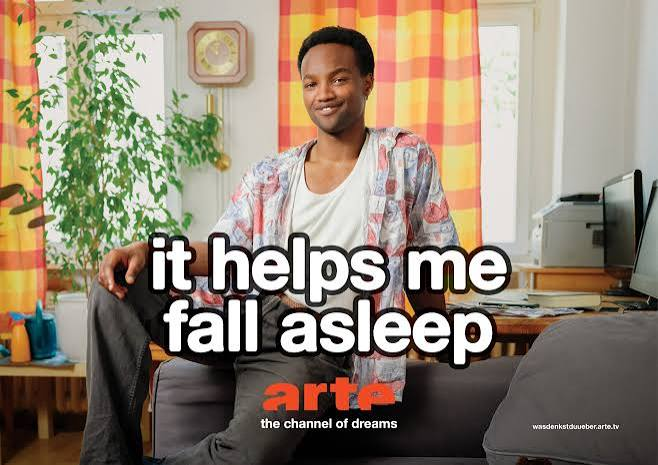
Instead of delivering another institutional explanation of its purpose, ARTE asked viewers to explain what the broadcaster meant to them. Their answers gave the brand a more varied, personal and culturally grounded identity than a conventional corporate positioning statement could have managed.
Made by Canadians — Molson Canadian, Rethink, 2026
Molson handed Canadians disposable cameras and asked them to document the country themselves. The resulting snapshots were imperfect, personal and far removed from the usual national-brand montage. Canada was not presented back to Canadians by an advertising team. They assembled it from their own points of view.
Thanks for Coke-Creating — Coca-Cola, VML, 2023
For years, independent shopkeepers and local artists had painted unofficial versions of the Coca-Cola logo on signs and storefronts. Coca-Cola found the makers, credited their work and elevated their imperfect interpretations into official advertising and brand assets. The people adapting the identity became recognised as co-creators.
The creative move: Stop telling people what the brand means. Collect their definitions, images or interpretations and give their version the status normally reserved for your own.