

Herb Light · Quality Meats · August 2026
Herb Light does not simply resemble a light beer. It tastes, behaves, costs and communicates like one. Then it goes further, manufacturing decades of apparent history to suggest this thoroughly modern 1mg THC drink has always belonged in the category. Vintage commercials, altered family photographs and a fictional parent company make an unfamiliar proposition feel like something drinkers already understand.
Challenge
People cutting back on alcohol can retain the social ritual with non-alcoholic beer, but not its effect. THC drinks offer an alternative, yet unfamiliar flavours and higher doses can make them one-and-done experiences. Herb Light wanted the missing middle: lager-like taste, low-dose THC and gradual consumption across a social occasion.
Strategy
Herb Light positioned itself as the light beer of cannabis. Rather than teach people how to interpret another unfamiliar THC dosage, the brand borrowed a mental model drinkers already understood. Light beer signals familiar taste, lower intensity, accessible pricing and the ability to consume gradually across a social occasion. Applying that model to a 1mg cannabis drink made the proposition intuitive: each can provides a small, predictable effect that can build gradually, much like drinking light beer.
Execution
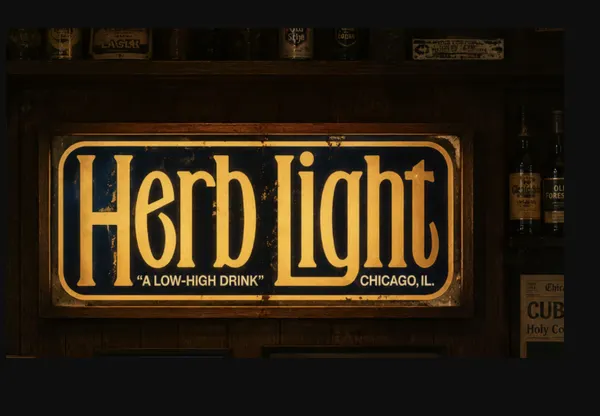
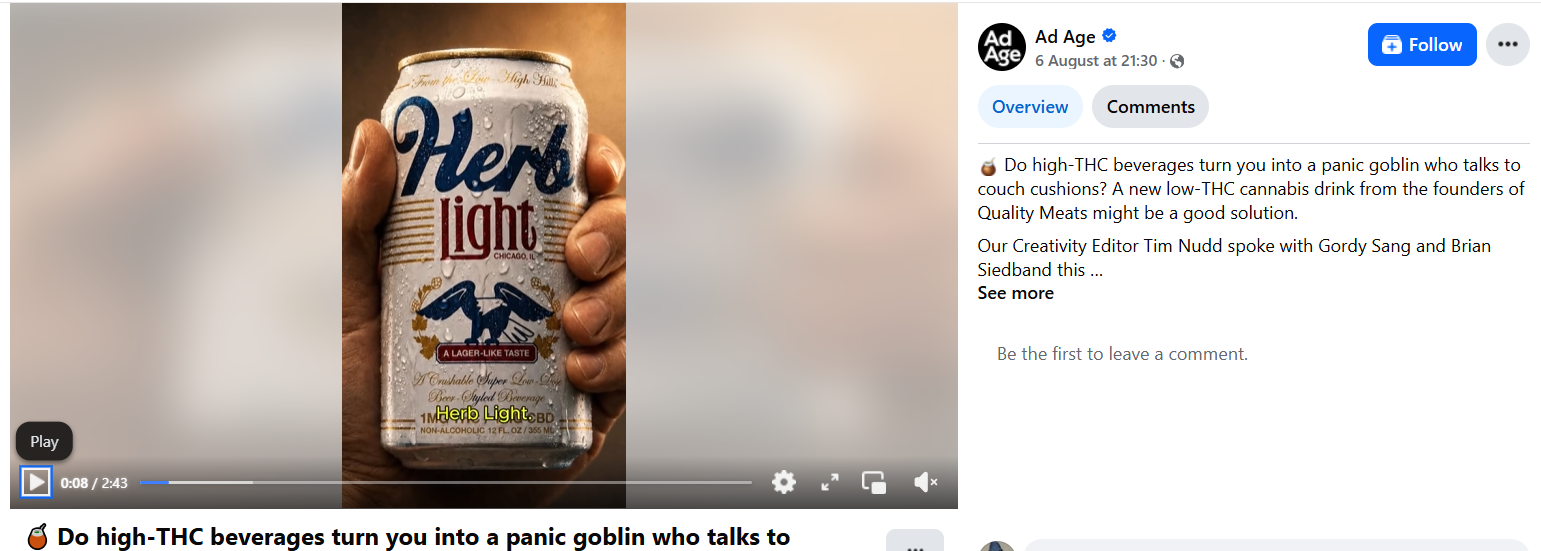
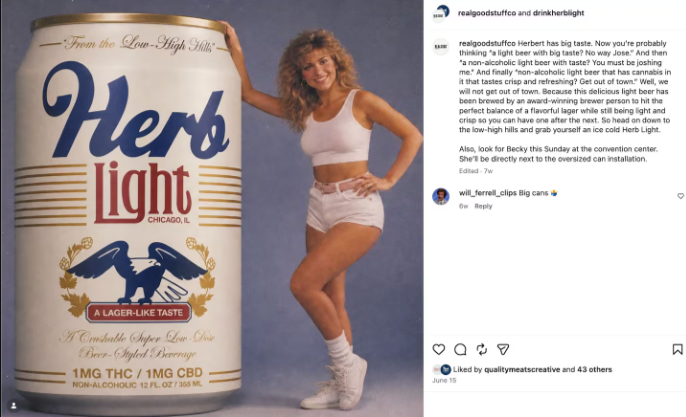
Herb Light created an alternative reality in which the drink had existed since the 1970s. Its lager-like taste, 12-ounce cans, 12-pack format, $19.99 pricing, retro design and fictional Herbert’s Beverage Company mirror familiar light-beer conventions.
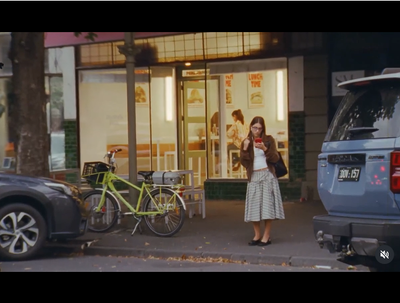
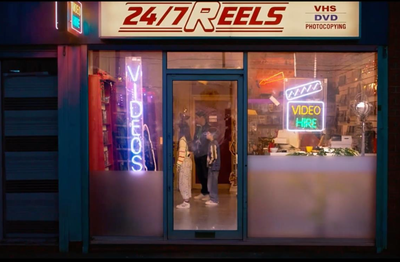
Old family photographs were digitally altered to place Herb Light inside earlier decades, while two deliberately unhinged AI-generated films recreated vintage beer advertising to dramatise the consequences of consuming too much cannabis or alcohol. Instagram, promoted posts and on-premise advertising extend the invented history.
Campaigns That Used Similar Tactics
Borrow Another Category’s Codes — Use a familiar category as a shortcut to understanding something new
The Bus — Midttrafik borrowed the dramatic language of automotive advertising, giving an ordinary public bus cinematic scale, desirability and features worthy of a luxury vehicle launch.
Chilean Sea Bass Crackers — Goldfish adopted the naming, packaging and culinary codes of premium food to recast its familiar children’s snack as something sophisticated adults could desire.
Eureka Spiritsis — IKEA presented its kitchens through the polished identity and inflated language of a luxury design brand, demonstrating how category codes influence perceptions of quality and value.
Invent a Brand History — Use an imagined past to make a modern product or proposition feel more familiar
Prime Changes Everything — Amazon Prime reimagined Rapunzel, Medusa, Cleopatra and Napoleon with access to its modern benefits. Unlike Herb Light, it did not invent a history for the brand. It rewrote familiar stories to show how Prime might have changed them. Both campaigns create a counterfactual past, but Herb Light goes further by manufacturing evidence that the product itself had always existed.
The Question That Could Get You There
What if our new product had always existed?