

DoorDash Canada · Wieden+Kennedy Toronto · July 2026
DoorDash Canada's problem wasn't that people don't order delivery. It's that most don't know DashPass makes it cheaper. So 'Not That Dramatic' borrows the language of period romance, all longing glances and forbidden desire, to dramatise something as mundane as checking out. The bigger the swoon, the smaller the actual decision underneath it.
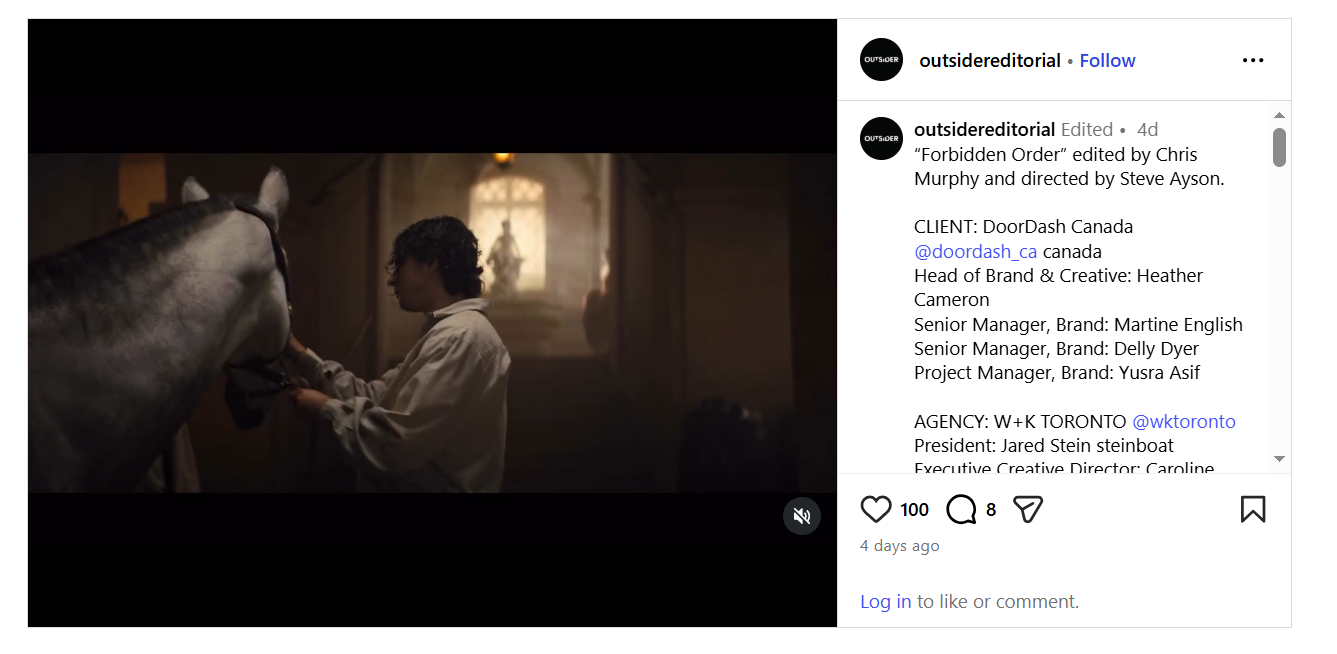
DoorDash takes the brief hesitation before ordering delivery and stretches it into the kind of emotional crisis normally requiring costumes, orchestral music and several episodes to resolve.
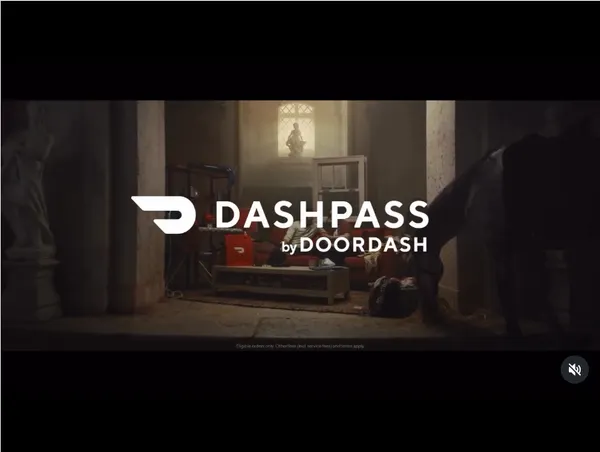
Not That Dramatic comprises two miniature period dramas. The Forbidden Order borrows the forbidden-romance conventions of the 1800s. Two lovers wrestle with an irresistible desire they fear they should deny themselves. The supposedly scandalous temptation turns out to be ordering sushi.
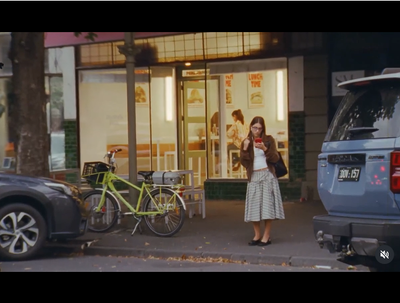
For All Of Us moves to a 1970s railway platform. A couple confronts what appears to be an agonising separation, complete with lingering looks and declarations about doing what is necessary for the family. The decision causing such anguish is whether to order ramen.
Both films understand the emotional machinery of period drama: longing is prolonged, ordinary words carry enormous weight and every decision appears capable of changing several lives forever.
The beauty is that the exaggeration is rooted in truth. People do pause before ordering delivery. They wonder whether it is worth the additional fees, briefly debate alternatives and then frequently order anyway.
DashPass removes the practical reason for that hesitation. In The Forbidden Order, the tension disappears when the couple remembers that membership includes zero delivery fees on eligible orders. In For All Of Us, the revelation that DashPass is included for eligible Amazon Prime members resolves the supposed family crisis immediately.
The product benefit does not sit outside the comedy as a final sales message. It supplies a beautifully undramatic ending.
Campaigns That Used Similar Tactics
Spoof the Format: epic elevation of the mundane
Tesco Whoosh's Serious Delivery treated forgotten groceries as the subject of high-stakes action missions, turning drivers into operatives racing to deliver nappies, dinner ingredients and match-day snacks. Burger King's The Call borrowed horror-film suspense to make an encounter with the Ghost Pepper Whopper feel genuinely dangerous.
Satire Everyday Behaviour: dramatising the moment everyone recognises
Hector's Deli's Socials observed the moment photographing food begins to replace eating it, turning an ordinary phone habit into a mirror for the audience. Paddy Power's Football, You Gotta Love It exposed supporters whose objections to billionaire ownership disappeared when the money benefited their own club.
The Question That Could Get You Here
What tiny moment of hesitation could we recast in the genre built to make it feel enormous?