

Getting to an idea worth fighting for rarely begins from an obvious starting point. Inspired by former Wieden+Kennedy Creative Director Jason Bagley, this series uses provocative questions to mine the Big Ideas That Work Engines for repeatable creative tactics that can help answer them.
This time, we’re asking:
What value are our customers already sitting on without realising it?
Here are six campaigns that probably weren’t thought of by asking this question and a few others, but they could have been...
- Turn accumulated rewards into something people actually want
- Turn something about to disappear into something worth keeping
- Turn an overlooked right into a desirable reward
- Turn unused capacity into something somebody else needs
- Make the institution recognise an asset everyone else overlooks
- Find a new use for money already sitting inside the system
1. Turn accumulated rewards into something people actually want
Make abstract rewards feel valuable by showing what they could become
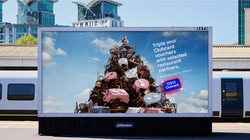
Know What You’re Sitting On — Tesco · BBH London · 2026
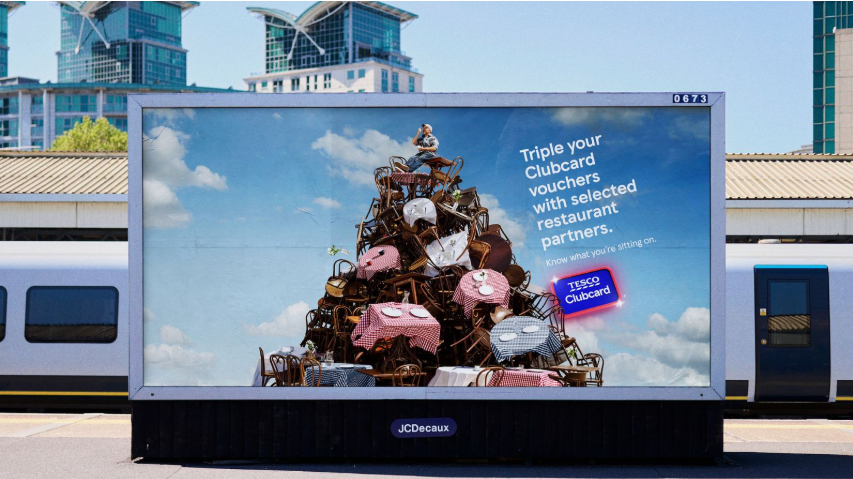
Half a million Tesco Clubcard members were sitting on at least £100 to spend with Reward Partners. The problem wasn't earning the value. It was recognising what that abstract balance could become. BBH translated points into possibilities as literally as possible, surrounding shoppers with mountains of holiday equipment, restaurant furniture and even a rollercoaster. Instead of telling people how many points they had, Tesco showed them the experiences those points could already unlock.
The question that could have produced it:
What have our customers already earned that would feel much more valuable if we showed them what it could become?
2. Turn something about to disappear into something worth keeping
Find value in something customers already have but routinely lose or waste.
Data Bank — GOMO · 2024
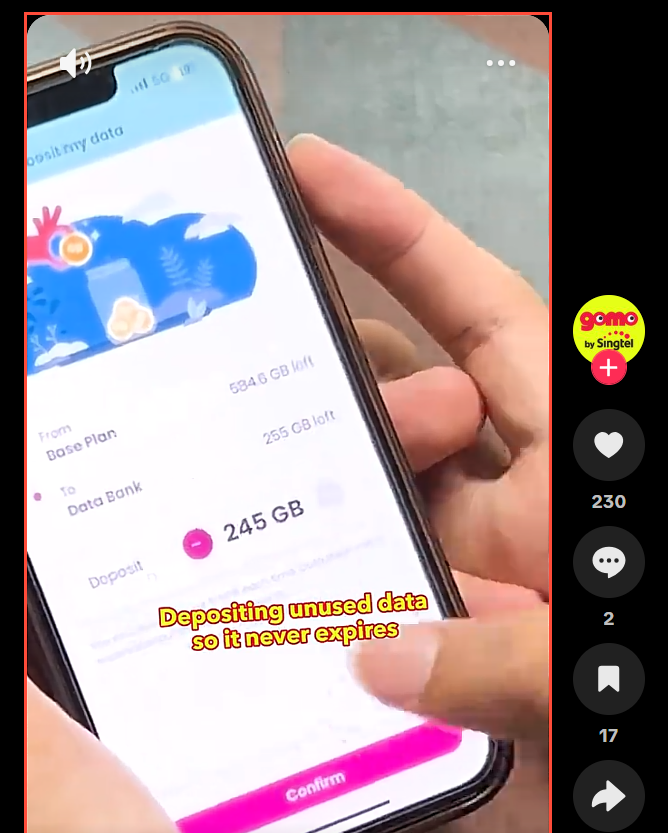
Mobile customers routinely finish the month with data they have paid for but never used. Normally, that leftover allowance simply disappears. GOMO Data Bank changed the equation by letting customers bank unused data and convert it into rewards. The campaign didn't have to manufacture value from nowhere. It identified something customers already possessed but had learned to regard as disposable, then gave it permanence and exchangeability.
The question that could have produced it:
What are our customers already paying for that currently disappears before they can benefit from it?