

Tinder · Jellyfish · July 2026
Dating apps changed how people meet. Yet the rigours of the first date barely changed. Two strangers still sit opposite each other, obeying inherited rules and attempting to perform romance correctly. To introduce Double Date, Tinder recast that convention as a ritual from another century. Traditional dating becomes a costume drama. Bringing a friend becomes the escape route.
Challenge
Tinder’s Double Date feature allows two friends to match and chat with another pair, offering Gen Z a more social, lower-pressure way to meet.
But presenting it as another app feature would undersell the behaviour it was designed to change. Tinder needed to make the conventional one-to-one date feel like the outdated alternative, then demonstrate why bringing a friend could make meeting someone new more relaxed and enjoyable.
Strategy
Tinder identified a rival larger than another dating app: the inherited script governing what a proper first date should look like.
That script expects two strangers to create instant intimacy while navigating awkward silences, forced romance and the pressure to impress. By portraying these conventions as the remnants of an earlier age, Tinder could position Double Date as more than an additional matching mechanic.
The strategy was to make traditional dating feel historical and friendship-first dating feel like social progress.
Execution
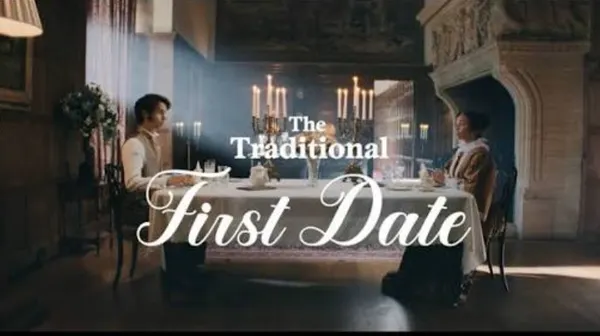
The hero film opens inside a stiff period drama. Two young daters sit trapped by formal manners, uncomfortable intimacy and old-fashioned courtship rules.
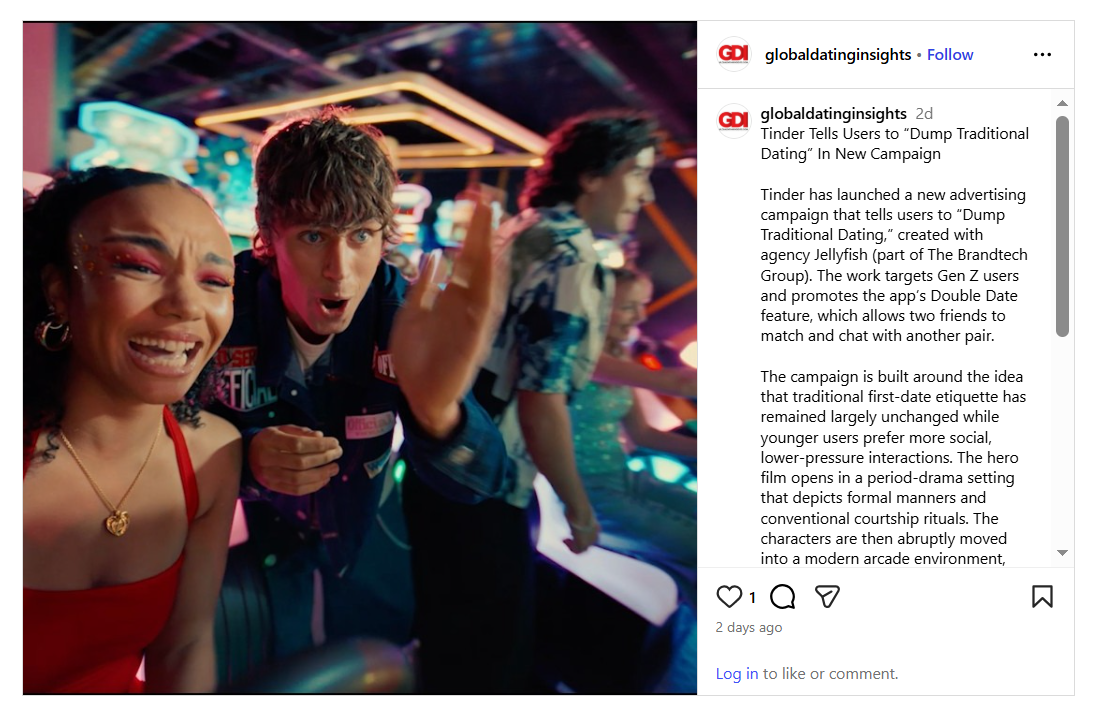
A match notification pulls them out of the Victorian drawing room and drops them into a bright arcade, where friends, games and movement replace the solemn table for two.
The campaign extends across video-on-demand, radio and social, while Tinder’s TikTok series Double Date Island shows the friendship-first format operating as entertainment rather than simply explaining it as a feature.
Campaigns That Used Similar Tactics
Pick A Fight With Culture: mirroring the culture
WWF's #LastSelfie used Snapchat's disappearing-image culture to make extinction emotionally immediate.
Dove's #TurnYourBack asked women to reject a beauty filter through a visual act performed on the platform spreading it.
Rival Framing: making the old behaviour the opponent
P&O Ferries' There Is Another Way made ferry travel attractive by setting it against the familiar misery of flying.
Knorr's Deliver Better used disappointing takeaway experiences to make cooking feel like the more rewarding choice.
The Question That Could Have Got You Here
How could Double Date make the traditional first date feel like a ritual Gen Z should have abandoned centuries ago?