



This purposeful tactic fixes what the category was missing, then makes it useful beyond the brand’s own customers. A dataset. An open-source tool. A better visual library. Infrastructure anyone can use. The brand earns credibility because the solution helps the category, the community or the system around the product. Here are six creative tactics that prove a brand's purpose is more than just words.
- Open-Source Everything
- Fix the System, Not Just the Product
- Reimagine the Visuals
- Build the Better Database
- Turn Inequality Into a Scoreboard
1. Open-Source Everything
Create something genuinely useful and give it away, even to your rivals.
Open-sourcing a solution costs a brand its exclusive advantage. Instead, it gains category leadership, industry trust, and the kind of press paid media can't generate. When the solution is real, and the sharing is unconditional, the brand becomes the institution that fixed the problem.
The E.V.A. Initiative — Volvo
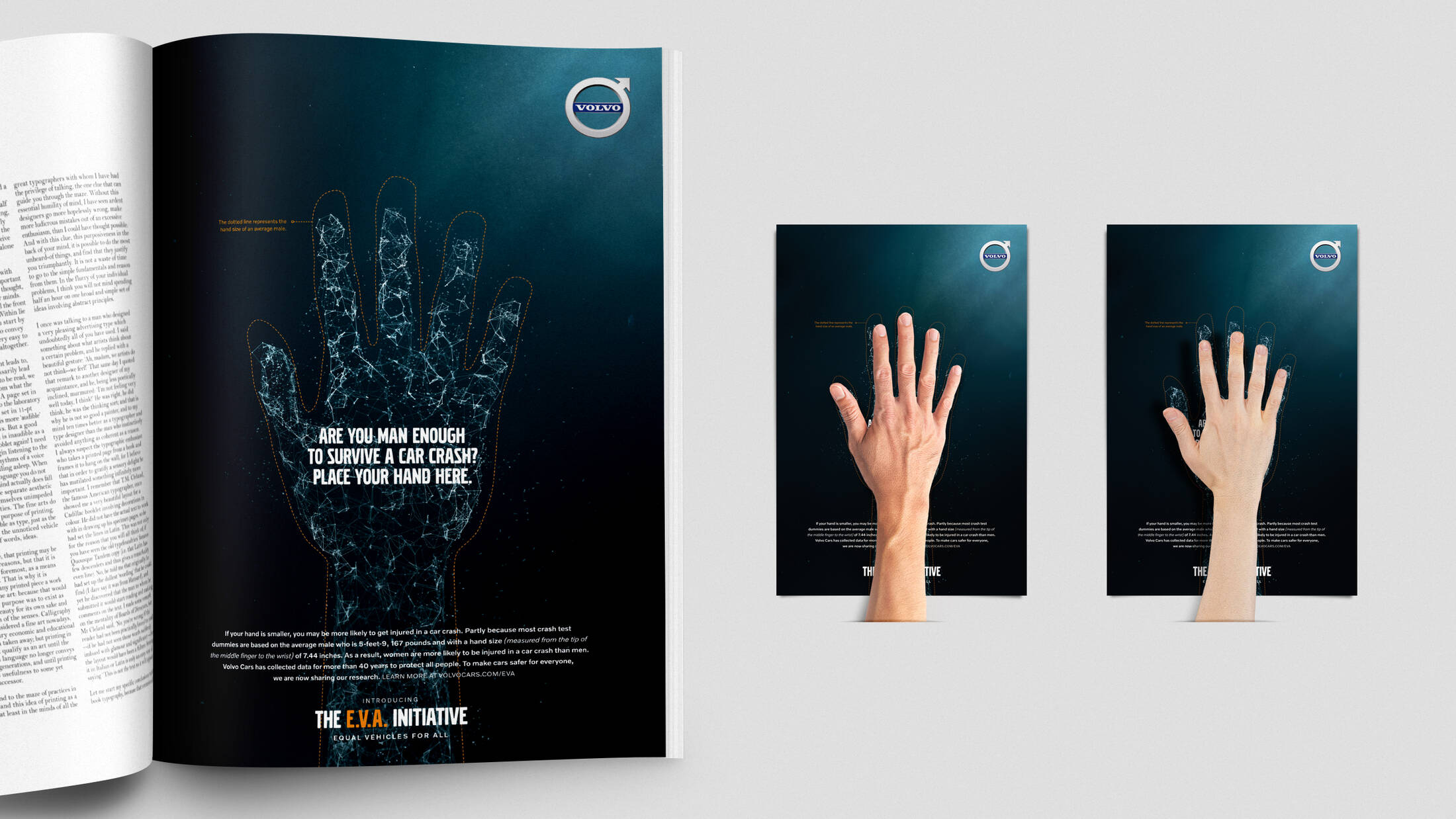
Car safety data had been collected almost entirely from male crash-test dummies for decades, so car interiors were designed to protect male bodies in collisions. Women were systematically more likely to be injured in the same accidents. Volvo had been collecting gender-inclusive crash data since 1970. Rather than use it as a competitive advantage, they released it publicly, making the research available to every manufacturer in the industry. The fix required the entire category to adopt it. So Volvo made adoption as easy as possible.
Powerade amended its athlete contracts to protect mental health breaks without risking sponsorship loss — then made the clause open source so any brand could adopt it. Caption With Intention co-created a dynamic captioning system with the deaf community that brought emotion and storytelling to subtitles, then made it open source for the entire film industry.
2. Fix the System, Not Just the Product
Identify the invisible bias or broken infrastructure at the root of the problem and repair it at the source.
Project Understood — Google & CDSS
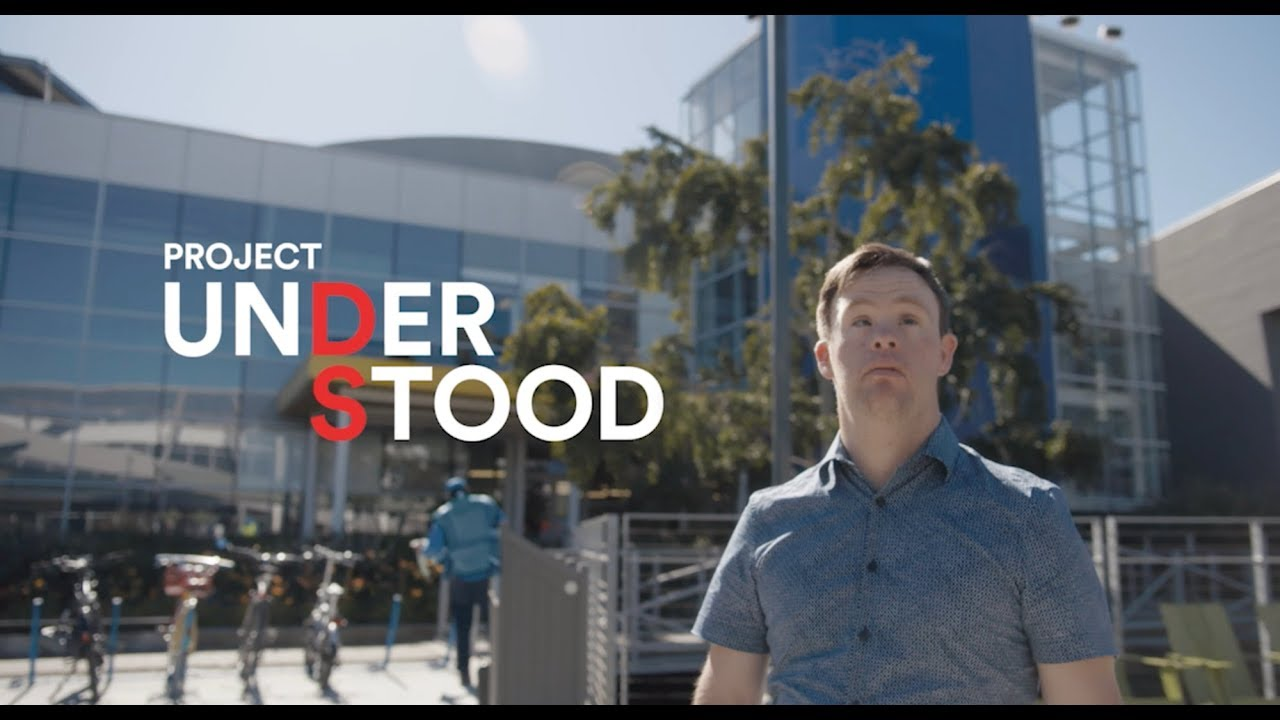
Google partnered with the Canadian Down Syndrome Society to retrain its voice-recognition systems using speech recordings from people with Down Syndrome. The fix wasn't a product feature. It retrained the underlying system that had previously excluded an entire group of users. The technology became more inclusive, benefiting everyone who gained from its improved range.
RGBlack developed new calibration tools and cards to improve how technology captures Black skin tones — a technical bias embedded in camera and display systems that had been normalised for decades. Volvo Lifepaint made cyclists more visible to drivers, with a reflective spray available to any rider, regardless of bike brand.
3. Reimagine the Visuals
Challenge the stock imagery that shapes how people are seen and build the library that replaces it.
Fixing The BAIS - Aurora50, 2023
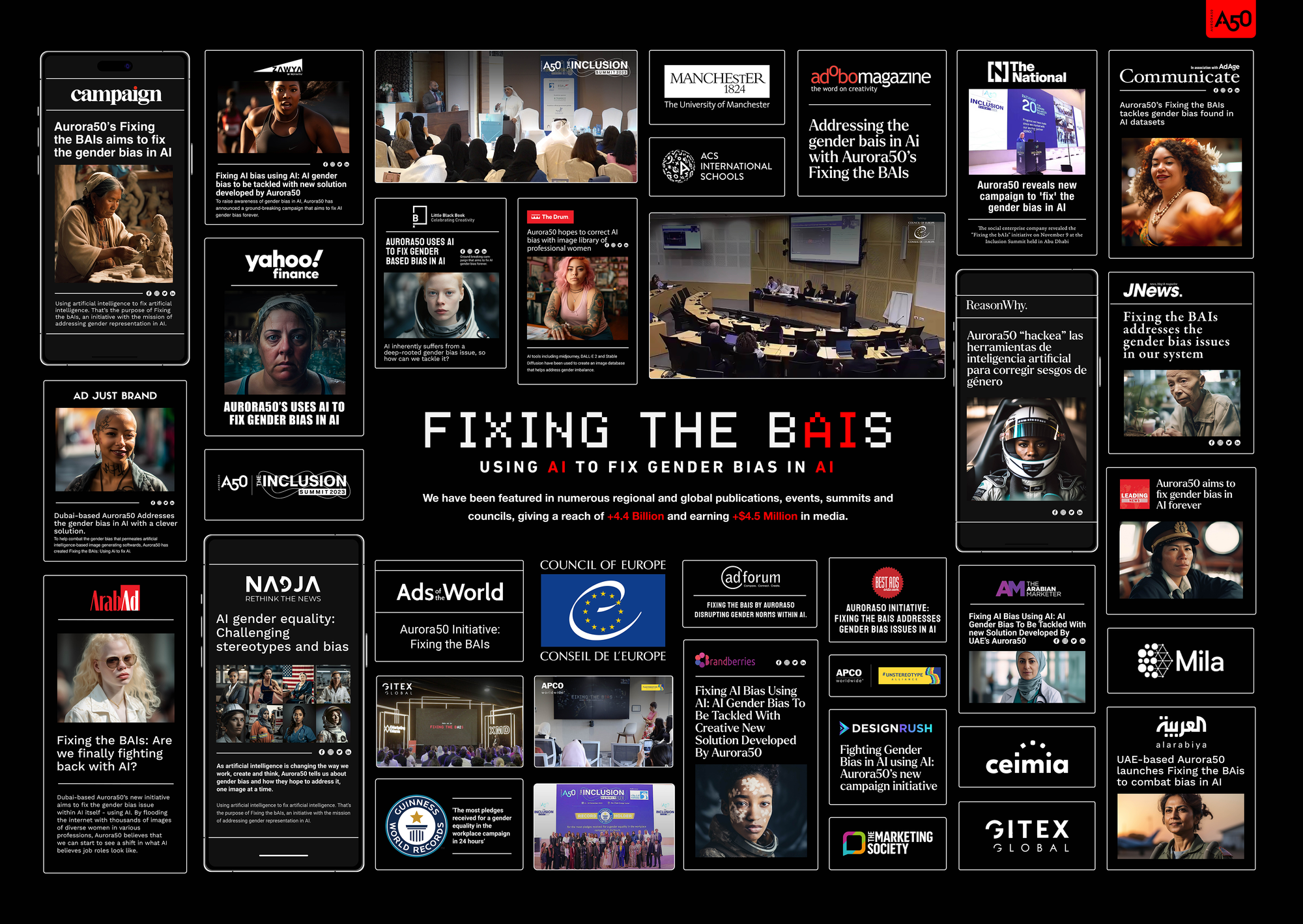
AI image systems kept reproducing the same old gender stereotypes because the visual data they learned from was already skewed. For example, ask for a CEO, engineer or mathematician and the outputs kept defaulting to men. Aurora50 responded by creating a large, free image bank showing women across a wide range of professions, then removing gendered metadata so the images could feed a less biased visual future.
Getty and Hiki's #AutisticOutLoud produced a permanent stock photo library shaped by autistic creators — so any brand or publication reaching for autism imagery would find something real rather than something reductive. Special Olympics made high-resolution athlete images freely available to update how disabled athletes appeared in commercial contexts. Creative Studio Morning reshot tired office stock photos using real, diverse workers as models.
4. Build the Better Database
If the data is biased, build the dataset that isn't.
See My Skin — Vaseline
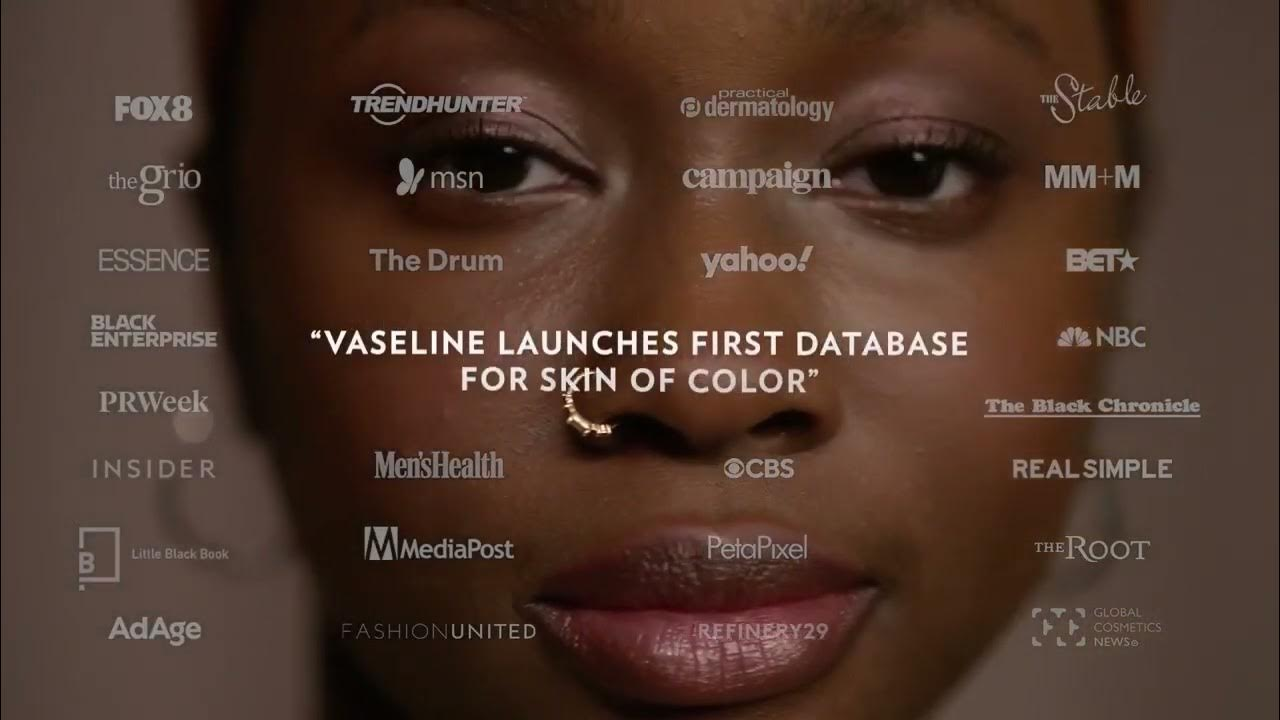
Medical images of skin conditions had been overwhelmingly photographed on lighter skin tones, making diagnosis more difficult for patients with Black and Hispanic skin, and making self-diagnosis through search engines practically impossible. Vaseline built a dedicated search engine of skin conditions as they appear on darker skin tones, created in partnership with dermatologists and community members. The missing database became a product. The gap in medical visual data became a brand act.
Dove's Code My Crown offered game developers a free toolkit to accurately code Black hairstyles—addressing the long-running visual flattening of Black characters in games. ASDRA's Numbers Syndrome created a dynamic, localised image set of people with Down Syndrome to replace the global stock that had been generated elsewhere and didn't reflect local communities.
5. Turn Inequality Into a Scoreboard
Make the gap visible, trackable, and competitive and watch progress follow measurement.
She's Electric — Hyundai
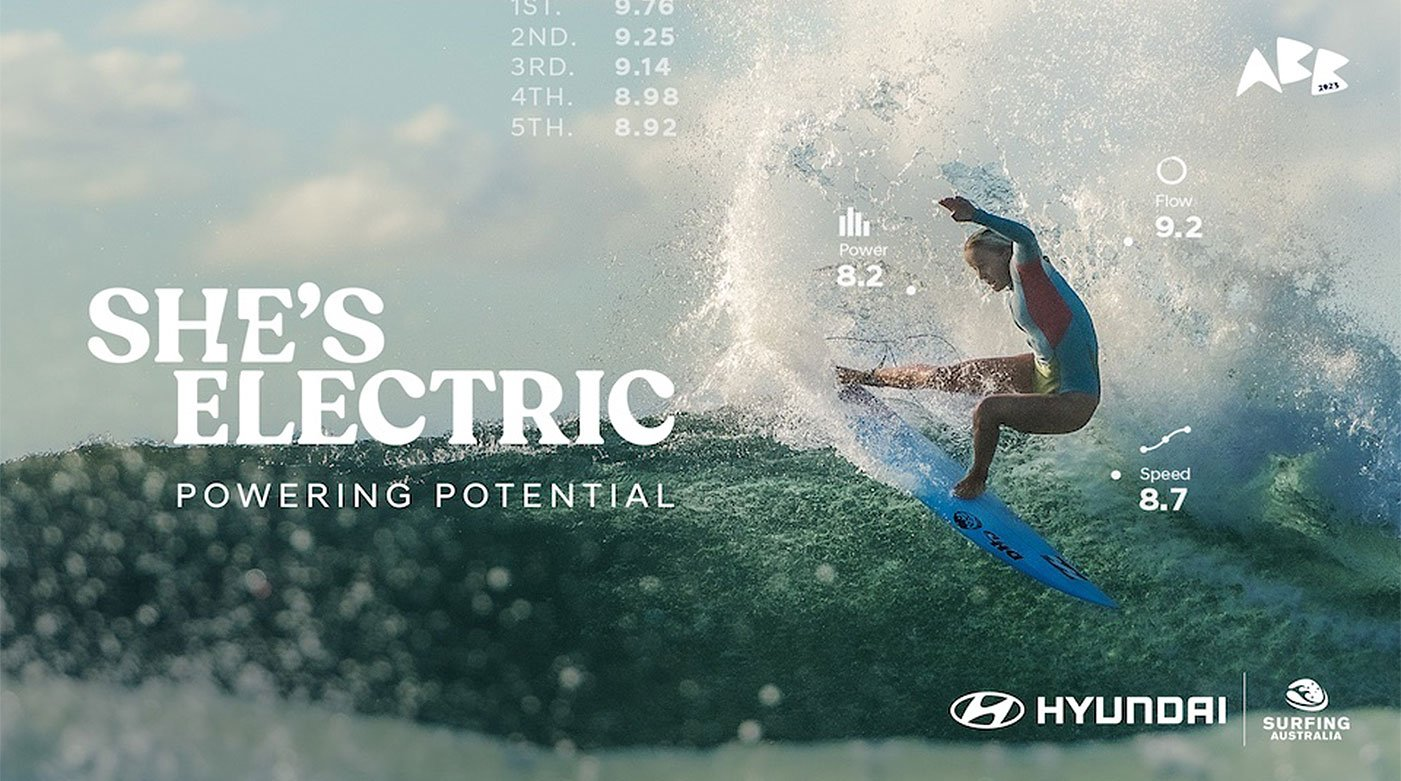
Women's surfing lacked the visibility infrastructure that creates careers: media coverage, rankings, competitive presence. Hyundai built surfer leaderboards that spotlight women in the sport, making female competitive performance trackable and public the same way male performance had always been.
The broader logic of the scoreboard applies wherever a gap has never been quantified publicly: pay equity within an industry, representation in leadership roles, screen time for female athletes, air time for minority voices. Measurement changes behaviour because it changes accountability. It's easy to ignore a problem you can't see. It's harder to dismiss your position in a table.
The One Rule
The solution has to be genuinely useful to people who are not the brand's customers. If the infrastructure only benefits the people who buy from the brand, it's a product feature. If it benefits everyone, then it builds trust that product advertising alone never can.