

Conventional sampling treats distribution as logistics: find some footfall, hand over a miniature and hope for conversion. Creative sampling makes the encounter itself persuasive. Where the sample appears, when it arrives and what form it takes can all demonstrate the product’s value before it is tried. These 14 tactics turn sampling from a giveaway into an idea people are more likely to notice, understand and remember.
- Build an Immersive Benefit World
- Exchange the Rival for the Trial
- Hijack an Adjacent Delivery
- Intercept an Undesirable Habit
- Sample at the Moment of Maximum Need
- Sample the Unavailable Experience
- Sample Where the Product Is Missing
- Turn a Cultural Moment into a Sampling Occasion
- Turn a Digital Convention into Physical Sampling
- Turn Production Variations into a Sample Range
- Turn the Sample into a Premium Artefact
- Turn the Sample into a Useful Product
- Turn the Sample Pack into Media
- Wrap Sampling Inside a Campaign Fiction
1. Build an Immersive Benefit World
Create an environment that lets people experience the product benefit more vividly than a conventional handout could.
Fresh Factory — Mitchum, Sense, 2023
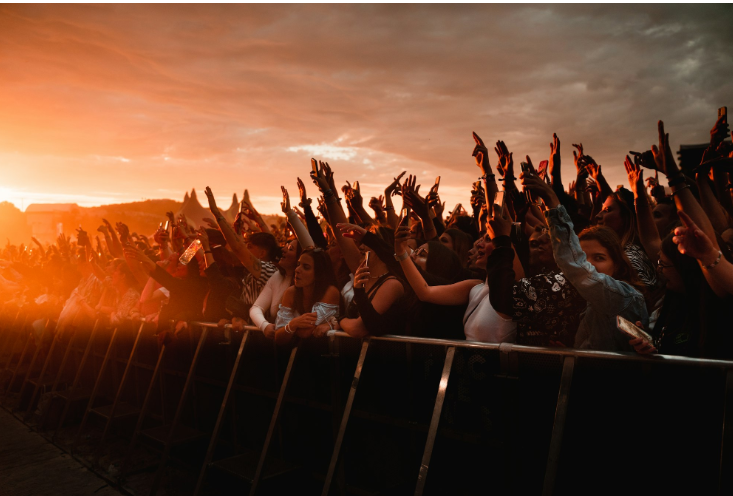
Mitchum wanted younger consumers to experience its freshness credentials in a setting where staying fresh genuinely mattered. At three UK music festivals, the brand created the Fresh Factory: an interactive space featuring oversized car-wash sweepers, fragrance showers and themed freshening zones. Festivalgoers could sample Mitchum products while making personalised social content. Instead of separating the sample from the activation, the experience enlarged the benefit, turning the routine act of applying deodorant into a welcome moment of collective refreshment.
2. Exchange the Rival for the Trial
Make giving up the familiar competitor the price people pay to experience a challenger product.
Taste the Difference — Belgo, Happiness Saigon, 2022
Belgo needed to persuade Vietnamese drinkers to reconsider familiar mainstream beers and experience the difference offered by its Belgian-style craft range. The brand installed vending machines and enlisted participating pubs to accept cans of competing beer as payment for a Belgo. The exchange made the competitive argument physical: drinkers surrendered their default choice before tasting its challenger. By removing both price and habit from the first encounter, Belgo turned comparative sampling into a small but meaningful act of switching allegiance.
3. Hijack an Adjacent Delivery
Attach the sample to another product or delivery that creates an immediate and credible reason to try it.
Persecución A La Italiana — Laive, McCann, 2020
Laive needed to encourage trial of its parmesan in a crowded dairy category. Rather than distribute samples in isolation, the brand waited until consumers had ordered the food that made parmesan useful. Vespa riders followed deliveries from Italian restaurants and arrived at the same address moments later with Laive cheese. The sample appeared beside the meal it could improve, at precisely the moment it was wanted. Distribution did more than reach the consumer: it supplied the product’s relevance, serving occasion and demonstration in one encounter.
4. Intercept an Undesirable Habit
Place the legitimate trial inside the inferior behaviour it is designed to replace.
The Pirate Match — DirecTV Go, Mirum Brazil, 2022
DirecTV Go needed to reach football fans accustomed to watching unreliable illegal streams. It intercepted piracy-related searches with what appeared to be another free broadcast, only to show an intentionally ridiculous fake match featuring absurd substitutes for professional football. Frustrated viewers were then offered an immediate free trial of the legitimate service. The trial arrived while piracy was demonstrating its own weakness. Rather than merely condemning the behaviour, DirecTV Go used its inconvenience to make the superior alternative feel timely and valuable.
5. Sample at the Moment of Maximum Need
Deliver the sample when circumstances make its practical value unusually urgent and self-evident.
Aid Aisle — FreshChoice, Dentsu Creative Aotearoa, 2023
FreshChoice wanted to demonstrate that a supermarket could understand people’s real needs, rather than simply advertise the breadth of its range. It placed a complete supermarket-style aisle 51 kilometres into New Zealand’s 60-kilometre Kepler Challenge, stocked with products runners suddenly valued intensely: energy snacks, hydration and relief for chafing. Familiar items became highly persuasive because of the physical state in which people encountered them. The idea shows how timing can provide the demonstration: place a useful sample at peak need and its benefit requires very little explanation.