


Insurance is a promise made before anything goes wrong. That makes it unusually powerful creative material. A brand can insure the mess its product causes, the ritual it wants to protect or the value it believes culture has overlooked. The premium may be playful and the payout modest. What matters is the risk: choose one that makes the brand’s priorities impossible to misunderstand.
- Turn a Brand Promise into a Guarantee
- Insure the Product Experience
- Cover the Consequences of Product Use
- Literalise the Brand Promise
- Apply Brand Expertise in a New Context
- Use Insurance to Signal Value
- Protect a Relevant Life Moment
- Compensate Emotional Loss
- Protect a Brand-Relevant Ritual
1. Turn a Brand Promise into a Guarantee
Attach a financially meaningful consequence to the benefit the product claims to deliver.
Relationship Breakdown Cover — Renault, Publicis London, 2024
Renault wanted to establish the Scenic E-Tech as the ultimate family car. Drawing on research showing that wrong turns and driving criticism are common sources of arguments between couples, it offered UK cash buyers an extraordinary safeguard: a full refund if they divorced or dissolved their civil partnership after purchasing the £37,495 electric SUV. Buyers had to provide legal documentation showing that the separation occurred after the sale. The cover turned family friendliness from a collection of features into a meaningful promise: Renault would support the relationship—or help if it broke down.
2. Insure the Product Experience
Protect people from the accidents that can spoil an occasion in which the product plays a valued role.
HeineCare — Heineken, Publicis London, 2024
Football’s most exciting moments are also dangerous moments for an unattended pint. During Euro 2024, Heineken offered beer insurance in five UK pubs: supporters who spilled their drink could scan a QR code and claim a replacement. The brand also produced a “Pint-cho” with Rainkiss to protect fans from neighbouring spillages. Heineken was not insuring beer because it was precious in isolation. It was protecting the social pleasure of watching football together, making fan care feel like a natural expression of the brand.
An estimated 11 million pints are spilled during major sporting events each year. HeineCare made that waste a branded act of recovery. — Campaign
3. Cover the Consequences of Product Use
Acknowledge an unavoidable downside of using the product and promise to put the resulting damage right.
Heinz Ketchup Insurance — Heinz, FP7 McCann, 2024
Heinz knew enthusiasm for ketchup occasionally ends on clothes, furniture or walls. Instead of airbrushing away the mess, the brand catalogued 57 ketchup mishaps and launched a claims hotline offering practical compensation, from cleaning help to replacement items. The policy treated stains as evidence of product love rather than customer carelessness. Heinz effectively insured people against Heinz, turning a recognisable product weakness into proof of generosity. If the ketchup was worth the risk, the brand would help put the consequences right.
4. Literalise the Brand Promise
Turn familiar brand language into a real policy covering the behaviour, object or body part it describes.
Finger Lickin’ Injury Claims — KFC, Courage, 2024
Every 1 July, thousands of Quebec residents move home on the province’s unofficial Moving Day. Boxes, doors and heavy furniture make fingers especially vulnerable. KFC and Courage created a claims department for those injured digits, allowing movers to submit evidence online or call a hotline for the chance to receive free chicken. “Finger Lickin’ Good” stopped being a line attached to the promotion and became its operating logic. KFC cared for fingers because its most valuable words had already made them brand property.
5. Apply Brand Expertise in a New Context
Relocate the brand’s expertise to an unexpected world where its value becomes newly entertaining or relevant.
Grand Theft Insurance — Baloise, Publicis Inspire, 2024
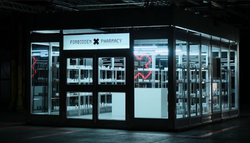
Insurance can feel remote until the world around you is built from theft, crashes and accidental death. Baloise opened a working virtual branch on a Swiss Grand Theft Auto V role-play server, offering vehicle, liability, legal and life cover for in-game losses. Two real agents investigated claims and advised players, with their work streamed on Twitch and recut for YouTube and LinkedIn. Los Santos made the category entertaining without abandoning its purpose: Baloise still helped people recover when chaos arrived.
“There is probably no better place for us to demonstrate our expertise in claims settlement and financial protection.” — Daniel Zangger, Head of Branding at Baloise. Baloise press release