

Fans build language, expertise, rituals, aesthetics and history around what they love. The Legitimise Fan Culture tactic uses the brand’s scale, media, access, or authority to give overlooked fan communities the status their contributions deserve. Here are seven ways to put the people around the thing at the centre of the culture.
- Represent Each Fandom on Its Own Terms
- Make Fans the Face of the Comeback
- Turn Fan Expertise Professional
- Make Unofficial Creations Official
- Put Excluded Fans Inside the Coverage
- Credit the Communities That Built the Culture
- Give Fan Culture a More Prestigious Stage
1. Represent Each Fandom on Its Own Terms
Stop treating fans as one interchangeable crowd. Show the specific codes that make each community its own culture.
Spotify Fandoms — Spotify, In-house, 2025
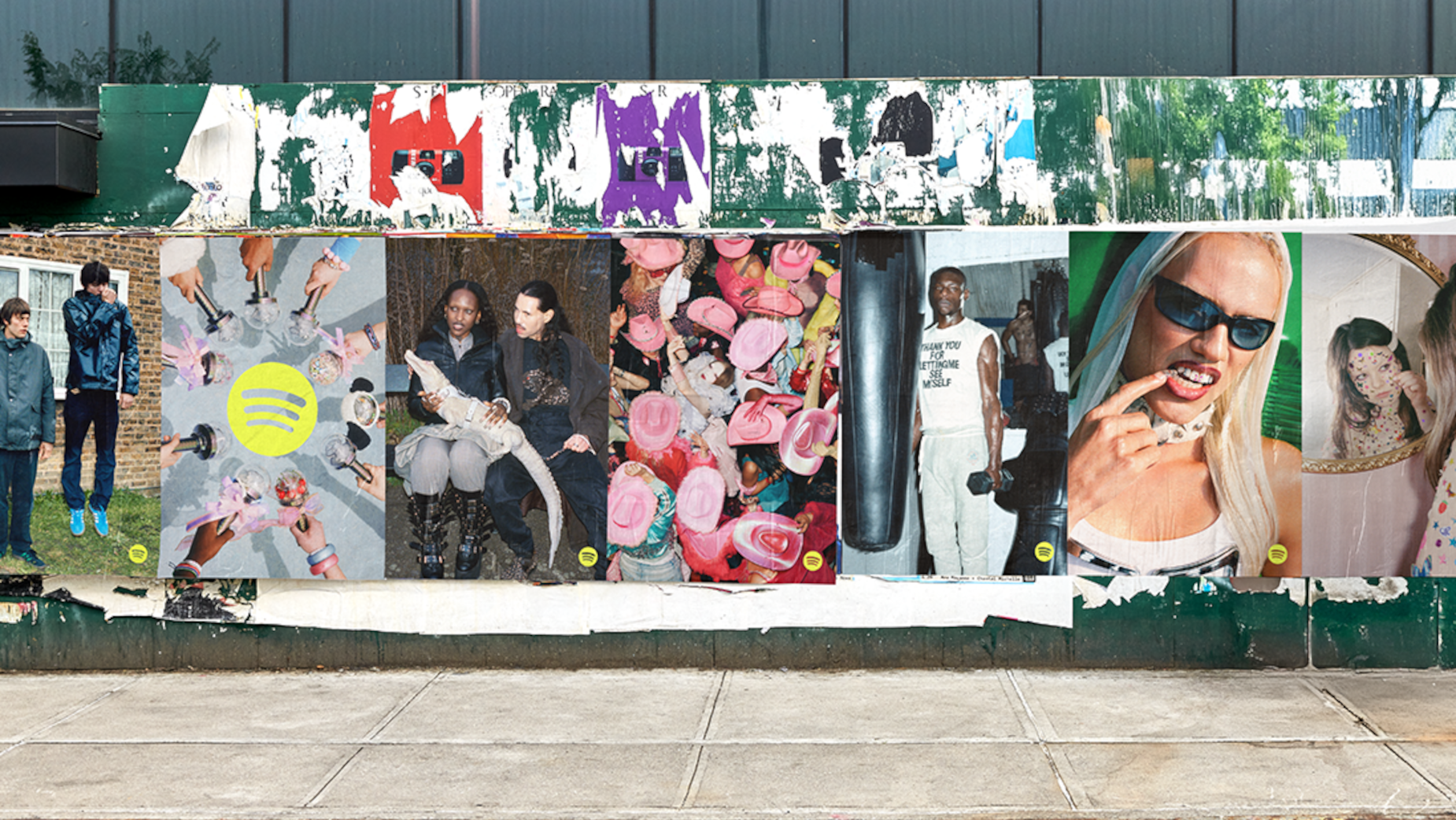
Music campaigns tend to photograph the artist and reduce everyone else to a screaming mass. Spotify turned the camera around. It created individual portraits of the communities surrounding Chappell Roan, Doechii, Oasis, Olivia Rodrigo, ROSALÍA, SEVENTEEN and Turnstile, building each execution from the fandom’s own traditions, jokes, fashions and visual codes. Large-scale outdoor media gave those differences proper cultural weight. The work didn't just tell fans they mattered. It took the time to show why each fandom mattered in different ways.
2. Make Fans the Face of the Comeback
Reward the people who kept caring when the product disappeared.
The Fandom Comeback — Tecate, LePub Mexico City, 2026
Tecate Titanium disappeared in 2019. Its fans did not. For six years, they kept asking for the beer’s return through posts, comments and memes. When Tecate finally brought it back, it searched that history, found the people who had asked most persistently and made them the faces of the relaunch. They appeared in the advertising and became the first to announce the news. Instead of using professional influencers to manufacture excitement, Tecate handed the comeback to the community that had kept the product culturally alive.