


Ever heard someone say, "This might be a daft idea, but…" — and then watched it unlock the whole brief? That's Dumb Thinking.
Thinking that begins with something a little bit wrong, a little bit cheeky, or just plain ridiculous. Not nonsense — reframing logic, flipping the brief, breaking through the noise using tactics that feel stupid… until they work.
Nine creative tactics. All of them dumb. All of them mischievously effective.
- Unlikeliest Ambassador
- Unlikeliest Antagonist
- Dumbest Alternative
- Dumbest Place to Put It
- Worst Combination
- Embrace Bad Behaviour
- Reverse the Norm
- Be Really Honest
- Parody as Dumb Logic
1. Unlikeliest Ambassador
Pick the person you least expect to front your brand — and let them shine.
Cast exactly the wrong person, and watch it become completely right. The gap between ambassador and brand isn't the problem — it's the idea. The bigger the mismatch, the sharper the point.
Even Divas Stay Here — Hostelworld, Lucky Generals, 2018
The brief: make budget hostels feel worth choosing. The dumb answer: cast Mariah Carey. The world's most demanding diva, in the world's least demanding accommodation — filmed with her full rider intact, then genuinely embracing the experience. The juxtaposition did all the work. 250 million impressions.
Solo Stove teased the world that Snoop Dogg was quitting smoking — before revealing it was about smokeless fire pits. Knorr recruited die-hard carnivore chefs to seduce meat-lovers into going plant-based. The ambassador is always the argument.
2. Unlikeliest Antagonist
Turn a surprising villain into the face of the problem you solve.
Find a villain nobody saw coming — and that's what makes it stick. When the enemy is unexpected, the message is unforgettable.
Grandma Hackers — Stofa, Klarna & Boas, 2016
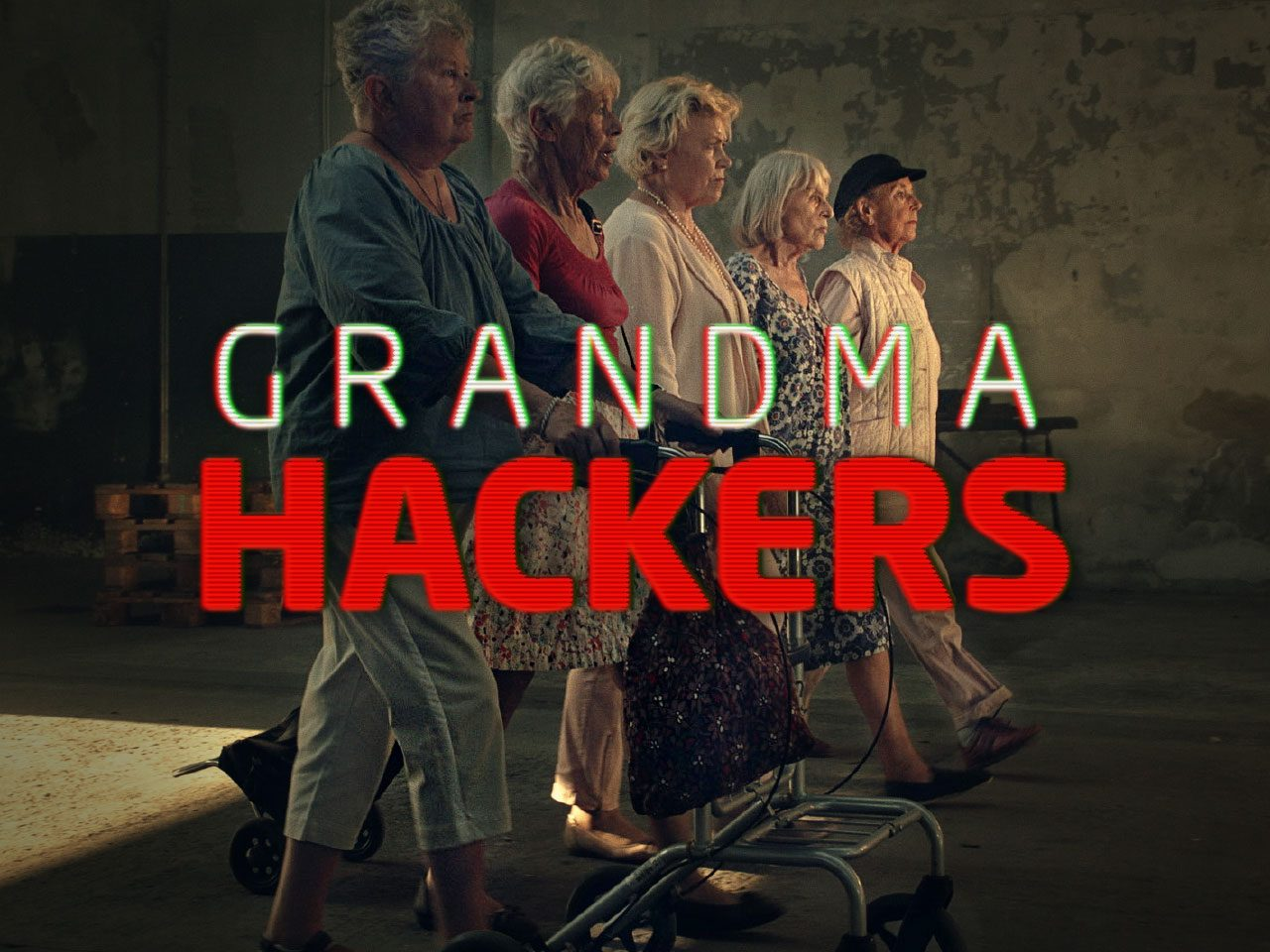
Cybersecurity usually scares people with hooded figures and green code. Stofa asked a dumber question: what if grandmothers did it instead? Real grannies were trained to hack their grandkids' accounts. Ten hours later, they were breaking in — and the families had no idea. If she can do it, anyone can get you.
UNICEF installed vending machines dispensing water labelled "cholera" and "typhoid" next to premium soft drinks — making indifference the villain. The antagonist doesn't have to be a person. Sometimes it's a habit, a system, or a number.