

The most persuasive person in an argument is often the one who was never supposed to speak. The stylist who knows the tricks. The employee who saw behind the scenes. The customer who caught the system failing. Whistleblower protagonists give hidden truths a credible way out. Here are six tactics for turning exposure into persuasion.
- Let an Insider Admit the Trick
- Catch the System Unawares
- Make the Guilty Party Confess
- Show How the Illusion Is Made
- Publish What the Category Keeps Hidden
- Give People the Tools to Investigate
1. Let an Insider Admit the Trick
Find the people who manufacture the illusion. Ask them what survives without it.
Heinz Unfakeable — Heinz, Rethink, 2024
Food advertising employs an entire profession dedicated to making products look better than they do in real life. Heinz invited professional food stylists to reveal their tricks, from artificial shine to carefully constructed substitutes. Then it asked which product did not need their help. The answer was Heinz Ketchup. Rather than claiming authenticity itself, Heinz let the people responsible for the fakery name the exception.
2. Catch the System Unawares
Stop arguing that the system fails. Let it fail in public.
Mis(s)diagnosed — Organon, MullenLowe, 2023
Women’s heart-attack symptoms are frequently missed because medical understanding has historically centred male bodies. Organon sent an Arab woman exhibiting lesser-known symptoms undercover to pharmacists, nurses, doctors, emergency professionals and cardiovascular specialists. Eighty-three per cent failed to recognise the signs. The campaign did not simply report a medical gender gap. It recreated the moment that gap becomes dangerous and let the healthcare system provide the evidence.
Lidl: Big On Cruelty — The Humane League, 2023
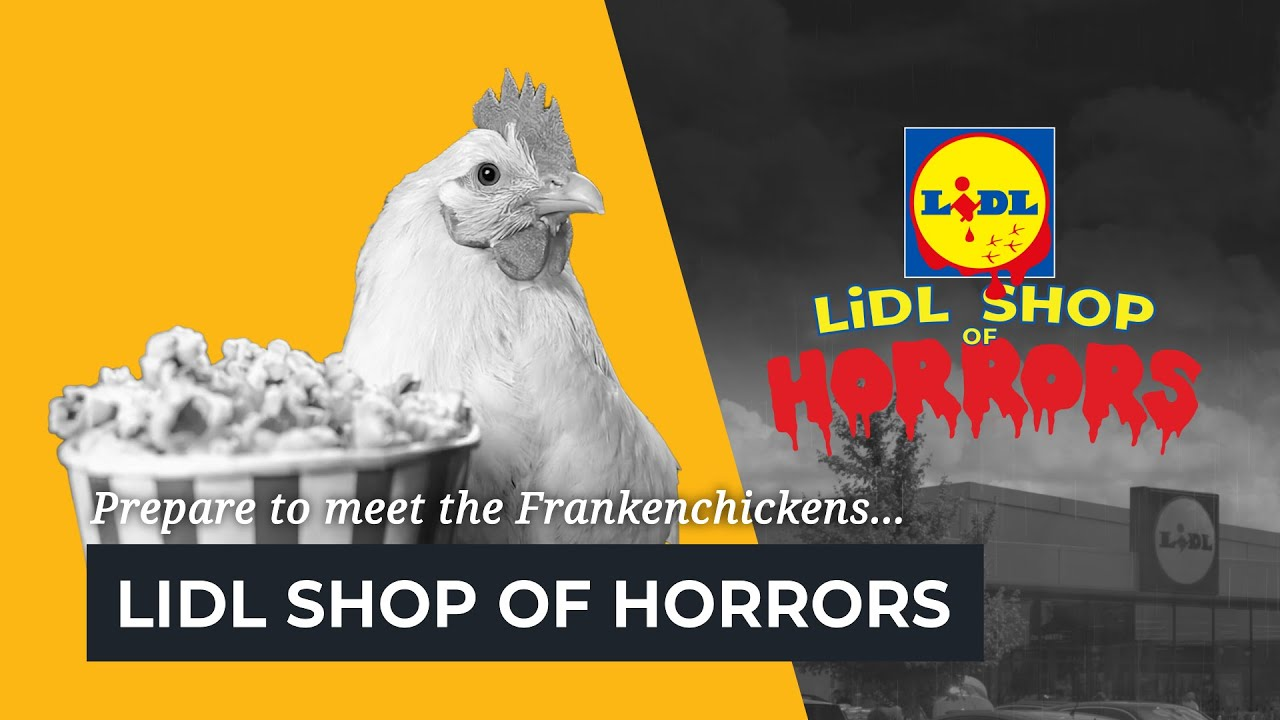
Affordable chicken can look perfectly respectable by the time it reaches a supermarket shelf. The conditions behind it are easier to hide. A former worker at a farm supplying Lidl released undercover footage showing how chickens were being raised. The campaign replaced distant allegations with evidence obtained inside the supply chain. Shoppers no longer had to imagine what low prices might conceal. Someone who had been there showed them.