
What makes a category ripe for parody? What separates strategic mockery from a cheap joke? And why do the brands that go dumb — imitating rivals, spoofing formats, obeying broken systems literally — so often create the best ads? This guide maps seven parody advertising tactics to the questions that unlock them — so you can identify which type of mockery fits your brief.
What is parody in advertising?
Parody works by borrowing something familiar — a format, a brand code, a cultural ritual, a category convention — and changing just enough of it to reveal what was wrong with the original. The recognition does the persuasion. The twist delivers the insight.
The test is the same as any other creative tactic: strip out the parody and check whether the strategic argument survives. If it does, the parody was decoration. If the argument disappears without the mockery — if The Tampon Book without the book is just a petition, if Aldidas without the Adidas reference is just a sportswear launch — the parody is doing real strategic work.
When does parody outperform conventional advertising?
Use it when you’re the underdog and a straight comparison would feel self-serving or when a cultural trend has become so inflated that being the first brand to call it out earns more trust than joining it. It fails when the mockery is mean rather than precise, when the audience doesn’t share the target, or when the brand has no right to stand where it’s standing. The parody has to be earned.
Flipping Power: What if you made the dominant player look ridiculous just by imitating them?
The most efficient parody brief available to any challenger brand is the market leader. They’ve spent decades building recognition. You can borrow it for a billboard.
What if you copied their tone and format with complete sincerity — but pointed it at something that made their seriousness absurd?
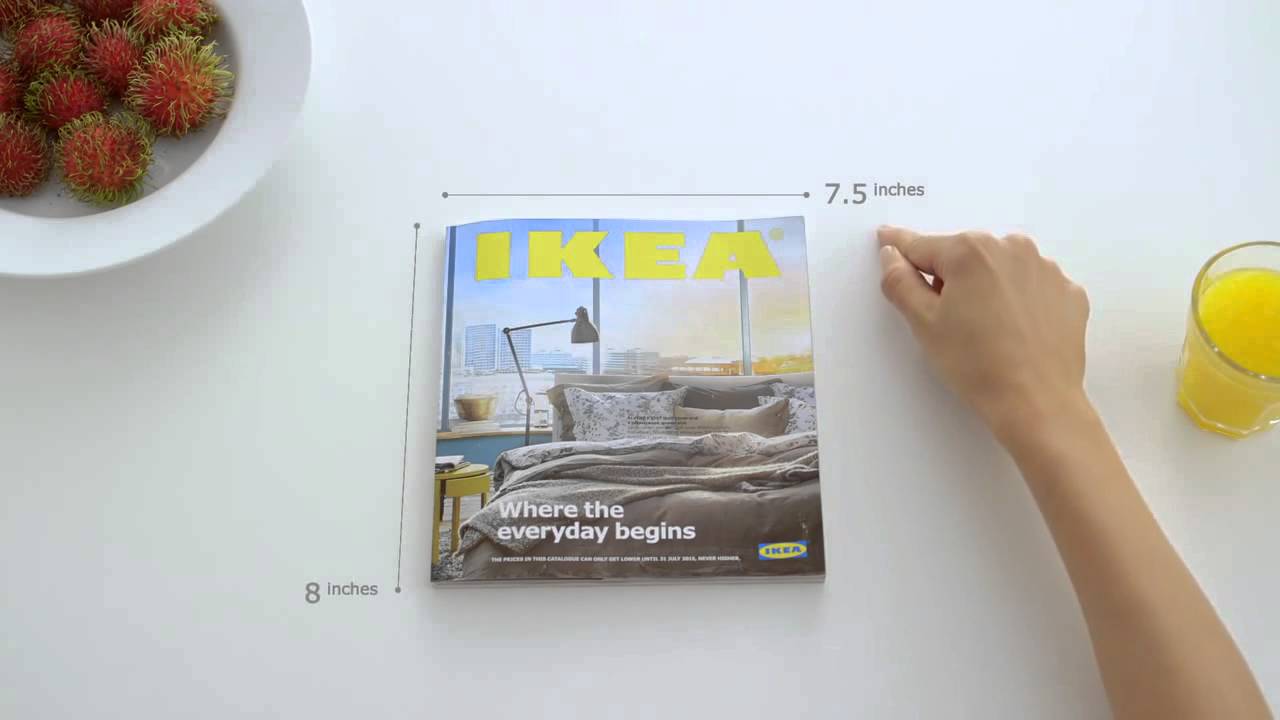
That’s Parody Their Brand Codes — redirecting a rival’s visual language, cultural codes, or earned fame until it argues against them. IKEA’s BOOKBOOK shot a shot-for-shot recreation of an Apple product launch film for the paper catalogue: the white studio, the rotating close-ups, the breathy narration about eternal battery life and the touch interface. Apple’s format made IKEA’s argument with sixteen million YouTube views. Aldi’s Aldidas launched a sportswear line with three stripes and bold lettering unmistakably referencing Adidas’ visual identity — at Aldi prices. It sold out in hours. The parody didn’t apologise for the reference. It used the gap between premium signalling and real-world spending as the entire creative idea.
What if you didn’t need a budget — just the nerve to show up in their moment?
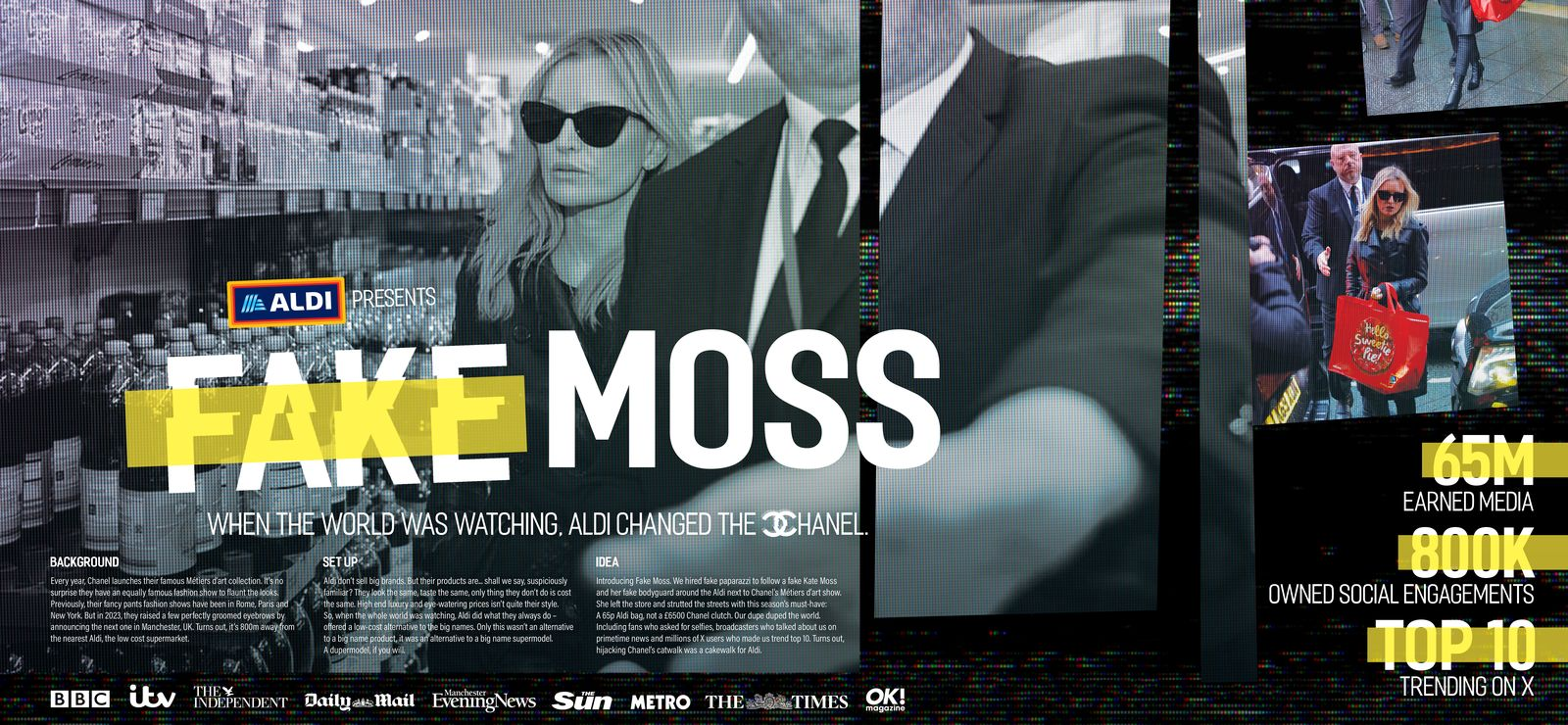
When Chanel brought its Métiers d’Art show to Manchester, Aldi sent a Kate Moss lookalike to the same pavement — bodyguards, sunglasses, hurried strut — triggering genuine paparazzi response before the reveal. The stunt generated a 916% uplift in organic engagement without attacking Chanel’s product. It just arrived in Chanel’s cultural moment and refused to be out of place there.
Deflating Trends: What if you were the first brand to say out loud what everyone is privately thinking about a cultural moment?
Every overhyped trend has a gap between its believers and its secret sceptics. The brand that steps into that gap first earns the trust of everyone who was already there.
What if you pushed the trend’s own logic one step further than anyone else had dared — until it collapsed?

MilkPEP’s Got Wood Milk pushed alt-milk logic — if it can be milked, milk it — to its obvious breaking point, inventing a beverage made from wood with zero nutritional value, cast and shot with the same earnest aesthetic as every real alt-milk launch. Dairy became the rational choice without MilkPEP making a single rational claim. Icelandair’s Iceland Isn’t AI-Generated sent a conspiracy nut to Iceland to prove its landscapes were real — not CGI, not robot puffins, not projected northern lights — spoofing AI-paranoia culture while showcasing destination authenticity. One million views, ten thousand organic shares in the first week.
What if your category’s dominant trend is the thing your audience is most exhausted by?

That’s Satirise Everyday Behaviour applied to cultural saturation. Austria’s Chat SkiPT replaced AI chatbots with real Austrian ski instructors answering holiday queries, rebranding it as “Authentic Intelligence.” Viral in both tourism and tech circles — not because Austria attacked AI, but because it positioned the human alternative as the smarter choice at the exact moment the hype had peaked. Tito’s Vodka hired Martha Stewart to suggest absurdly sober uses for vodka — cleaning product, deodorant, window wash — staying visible during Dry January by making the sober application of an alcoholic product the joke.
The question isn’t “what trend should we join?” but “which trend is so inflated it’s ready to be punctured — and do we have the credibility to do it?”
Spoofing the Format: What if the medium itself became the creative brief?
Every format carries expectations. Tech launches promise revolution. Pharmaceutical ads promise salvation. Makeover shows promise transformation. The moment the audience recognises the format, they start anticipating. That anticipation is what you can hijack and redirect.
What if you used a format your audience trusts completely — and applied it to something that had no business being there?

That’s Spoof the Format — borrowing the authority of a recognisable format and redirecting it. Nescafé shot a full mock tech launch for new packaging that didn’t change the coffee inside: the sleek stage, the high-tech jargon, the “one more thing” energy, applied to a packaging update with deadpan commitment. Nature RX built a campaign entirely in the format of pharmaceutical advertising — the authoritative voiceover, the sun-drenched lifestyle footage, the rapid-fire side-effect disclaimer — for a product called Nature. Symptoms treated included stress and disconnection. Side effects included confidence and improved perspective. We’re trained to trust that aesthetic. Nature RX used the authority to make an argument that a straight message never could.
What if you made the ad-making process itself the content?
Samsung’s Galaxy Tab S9 launch followed two interns pitching increasingly outlandish genre-based concepts for advertising each product feature — horror, superhero comics, sitcoms — each more absurd than the last. The product features were demonstrated through the chaos of pitching them. Beats by Dre went further into the fourth wall — TikTok creators performed over-the-top sponsored-ad tropes while proclaiming “This is a Beats ad” throughout. The meta-confession became the creative strategy, signalling authenticity by admitting the mechanics of influence. The format’s job is to pre-load recognition. The parody’s job is to redirect it.
Satirising Behaviour: What if the funniest thing available is what the audience is already doing?
Every category has a behaviour it would rather not acknowledge. The jargon nobody believes. The ritual that’s become hollow. The purchase decision that stopped making sense. Brands that name these things earn trust — because they’re saying what the audience is already thinking.
What if you took a behaviour your audience performs without believing — and followed its logic somewhere it was never meant to go?

That’s Satirise Everyday Behaviour at its most precise. Paddy Power and BBH spotted the gap between football fans’ principled outrage about billionaire club takeovers and their euphoria when the billionaire showed up at their club. The campaign features fictional Hardlypool FC, where supporters’ indignation immediately transforms into celebration when an oil baron’s takeover is announced. The campaign didn’t mock the audience — it recognised them. The laugh was complicit, not cruel. Philips’ Baristina campaign contrasted the excess of modern coffee ritual with the simplicity of a good espresso at home, positioning Philips as the disruptor by arguing that refusing to join the arms race was the most sophisticated move in a complicated category.
What if you pushed a normalised habit to its most logical — and revealing — extreme?
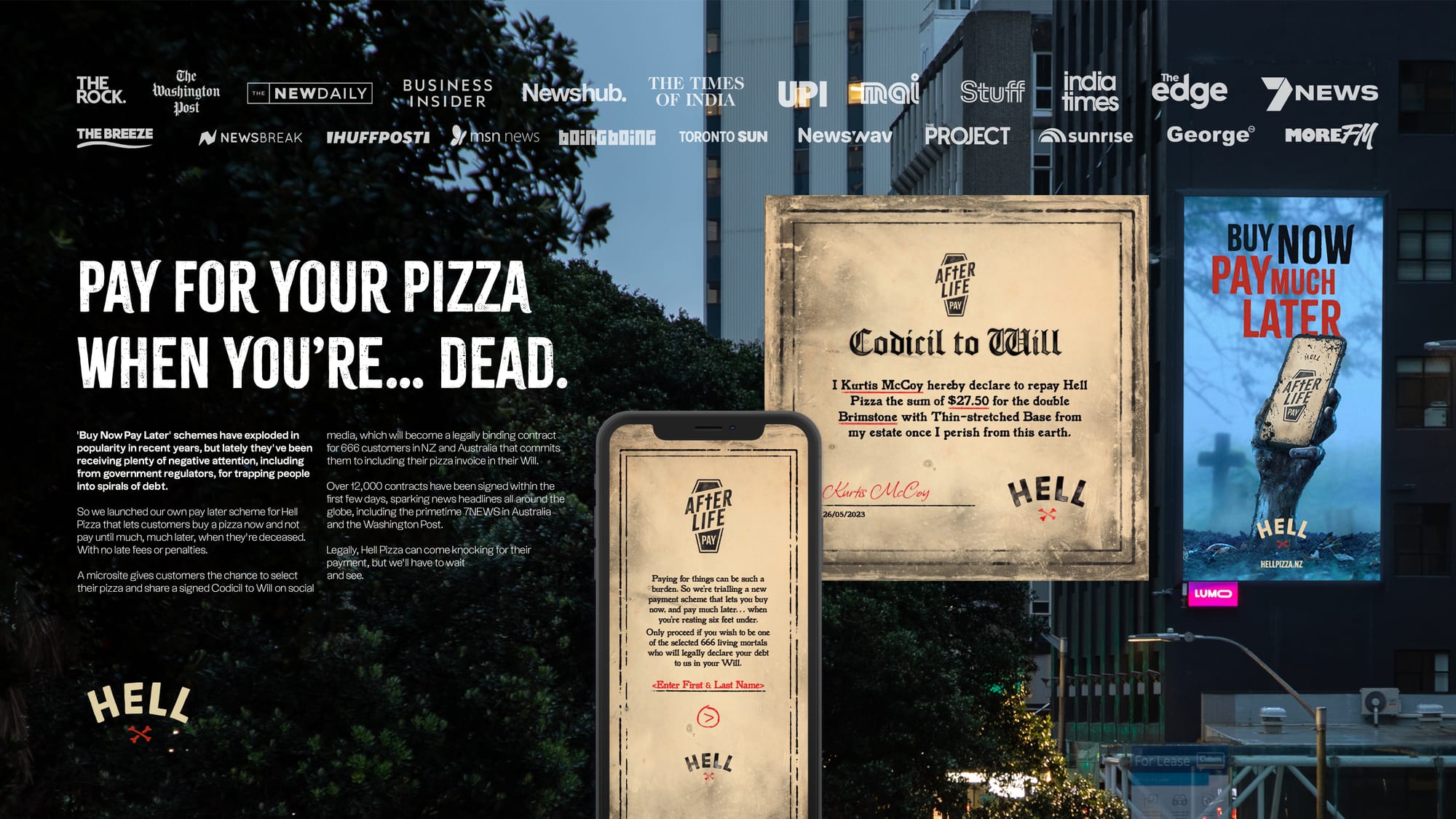
Hell Pizza’s AfterLife Pay took Buy Now Pay Later to its obvious conclusion — a legally binding scheme deferring pizza debt until death, added to customers’ wills with real legal documentation. The execution was played completely straight. That sincerity was the point. The absurdity and the values statement were the same thing.
The satire has to be earned. Name only the behaviour your audience is already uncomfortable with — something they’d confess to in private. Find the behaviour nobody’s defending. Say it first.
Parody as Dumb Logic: What if the most powerful argument against a broken system is obeying it?
Statistics on posters don’t change minds about broken systems. When the system’s own logic is followed literally enough — the absurdity surfaces on its own.
What if you followed the category’s logic all the way to the point where it snapped?
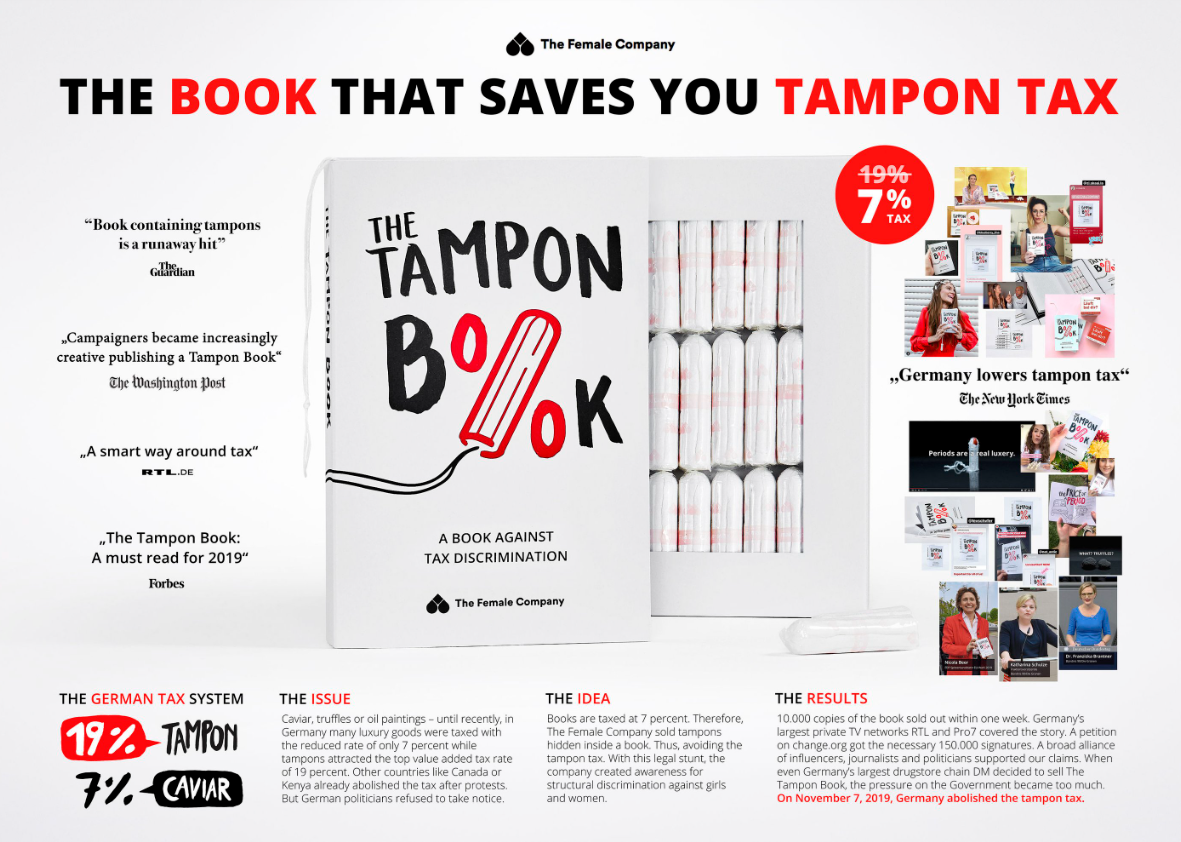
That’s Parody as Dumb Logic — the most structurally rigorous form of parody in the toolkit. The Female Company packaged tampons inside a book and sold them at the reduced book tax rate, exploiting Germany’s own legal distinction to make the absurdity of taxing menstrual products as luxury goods tangible, purchasable, and impossible to dismiss. The campaign shamed the German parliament into reducing the tampon tax from 19% to 7%. The law’s own logic had been used to dismantle it. SC Asset invented a homeware range for the problems of a bad home: the Do Not Disturb Hoodie, inspired by racehorse blinkers, for blocking out noisy neighbours; the Forest Window, a battery-powered scenic view lasting 30 minutes on 18 AA batteries. Shot with complete production sincerity. If these seem useful, you need a new home.
What if you invented the product the broken logic deserves — and made it look completely real?
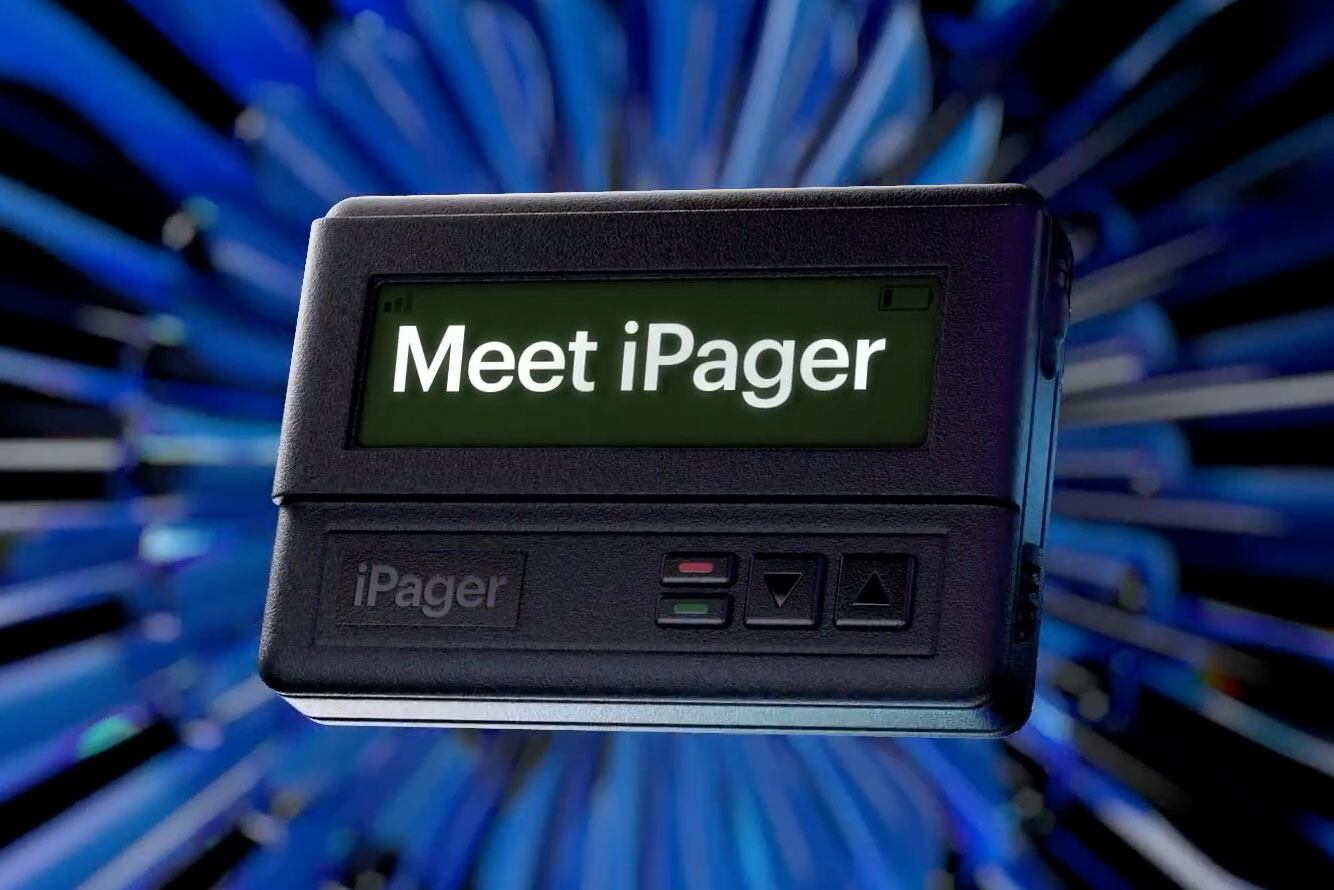
Google’s Meet iPager parodied Apple’s reluctance to adopt modern messaging by launching a fake ’90s-style iPager, styled with Apple’s own product launch aesthetics. Google didn’t argue for RCS messaging. The iPager made the argument. Got Wood Milk invented a beverage made from wood using the same earnest launch language as every alt-milk brand — and suddenly made dairy look like the sane choice without a single rational claim.
Roasting the Fame Game: What if the celebrity or influencer is the joke?
Celebrity culture has its own grammar — the founder launch, the fragrance drop, the “authentic” partnership — and that grammar has become so recognisable it’s ready to be turned against itself. The brands that do this earn cultural credibility by demonstrating they understand the game well enough to mock it.
What if you used a celebrity not to endorse the product — but to expose what celebrity endorsement actually is?
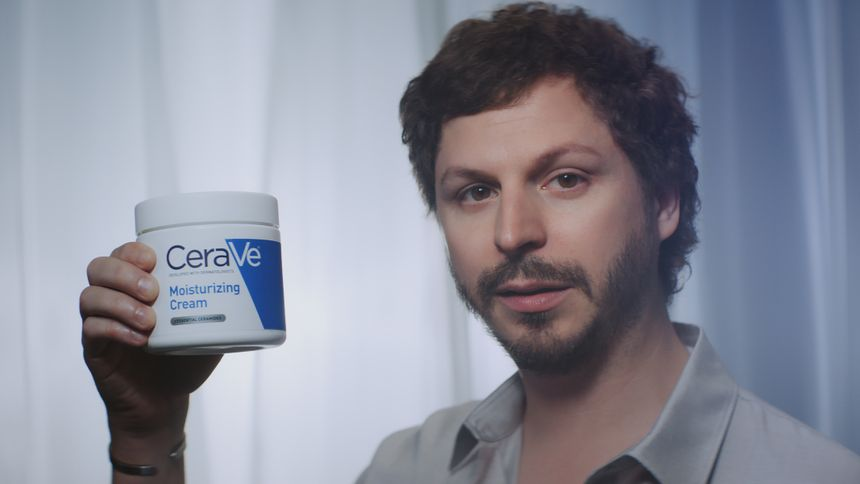
CeraVe’s Michael CeraVe built a months-long ruse where Michael Cera convinced the world he had created the skincare brand — paparazzi leaks, found footage, influencer speculation — escalating into a Super Bowl reveal. The campaign made fun of celebrity-brand culture while elevating CeraVe’s dermatologist-first positioning. 32 billion impressions. Number one Super Bowl ad. The parody was the product proof. Jeep’s Grand Wagoneer had comedian Iliza Shlesinger storm a Jeep pitch meeting with the outrageous idea to market the Wagoneer as “the best car to have sex in” — inspired by a real article describing the car’s premium interior. Every feature was demonstrated through the chaos of pitching it badly. Cut through one of advertising’s dullest categories by making the pitch itself the parody.
What if you hired the most unlikely person — and made the incongruity the entire creative idea?
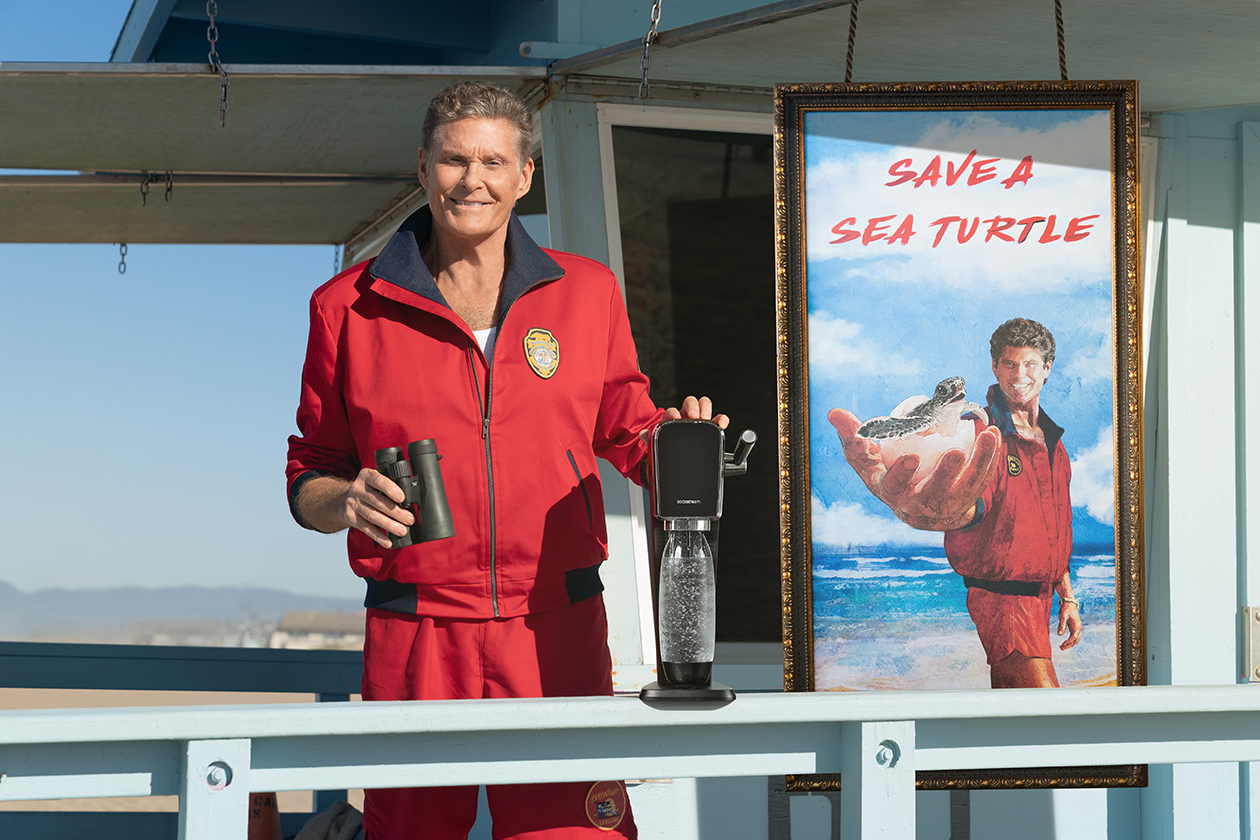
SodaStream hired David Hasselhoff to spoof Baywatch in slow-motion — the beach run, the swimsuit, the dramatic rescue — to raise awareness of plastic waste. Comedy plus nostalgia as a vehicle for a sustainability message that would have been ignored as a straight appeal. The fame game only works as parody when the brand has a clear reason to be laughing. The mockery needs a position it can stand behind.
The seven parody tactics
The questions above unlock seven distinct tactics, each targeting a different type of mockery. The first campaign example in each article is free. Members get the full set.
Parody Their Brand Codes — borrow the rival’s fame and redirect it
Spoof the Format — hijack a familiar format and change what it says
Satirise Everyday Behaviour — hold up the mirror nobody expected you to hold
Parody as Dumb Logic — follow the broken system’s logic until it snaps
Flip the Power Dynamic — mock the leader until the audience switches sides
Deflate Cultural Trends — be the first brand to say the trend is ridiculous
Roast the Fame Game — use celebrity culture as the joke, not the vehicle
Want Your AI to Think Like This?
These tactics come from the Thinking Engines — a library of strategic and creative guides built to be uploaded into your AI. Drop one into Claude, ChatGPT or Gemini, and it becomes a thinking partner trained on real campaign logic: generating territories, reframing briefs, and pressure-testing ideas.