

Transparency is a funny word. Brands say they want it, then spend six months perfecting the lighting. Behind the Scenes storytelling actually delivers it — by showing the process, the people, and the imperfect reality that polished advertising quietly edits out. When audiences see what goes into something, they feel differently about it. Trust is no longer claimed. It's shown. Here are 6 tactics from the Storytelling Engine that pull back the curtain with purpose.
- Process-as-Proof
- Unsung Heroes
- Co-Creation & Fan Energy
- Pulling Back the Curtain
- Process as Emotion
- Cultural Truths Exposed
1. Process-as-Proof
Show how it's made or regarded — and let that do the persuading.
Heinz Unfakeable — Heinz, Rethink, 2024
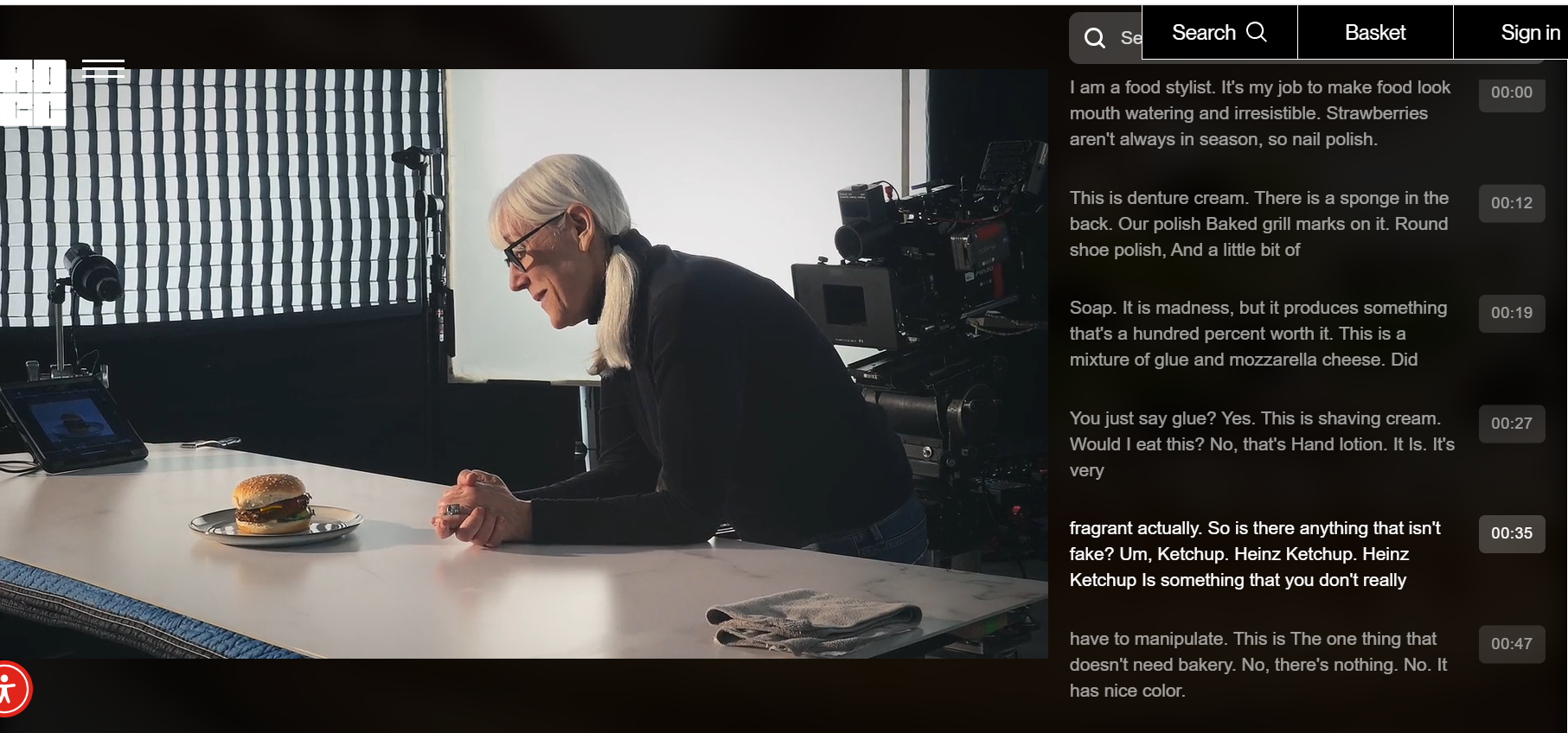
Food advertising runs on substitutes. Glue for milk. Varnish for meat. Faked steam from hidden heat packs. Food stylists have a workaround for everything — except ketchup. When they tried to fake Heinz, nothing came close. The campaign hired food stylists to reveal their entire toolkit, then put Heinz in front of the camera with no assistance. It still looked better than anything they could manufacture. The brief answered itself: when there's no substitute for the real thing, showing that fact is the most powerful claim you can make. See campaign ->
Heinz Ketchup's 'But First, Tomato' (Africa DDB, 2022) went further upstream — showing farmers, soil, and weather before a single bottle appeared. The New York Times' 'The Truth Is Hard To Find' (Droga5, 2018) used grainy photos, journalist voiceovers, and timestamps to expose the invisible labour of real reporting. BNP Paribas spotlighted renewable energy consultants and accessibility engineers to give a faceless institution a human interior.
2. Unsung Heroes
Find the people behind the product who never get credit — and put them centre stage.
Behind the Door — Huggies, Ogilvy, 2018
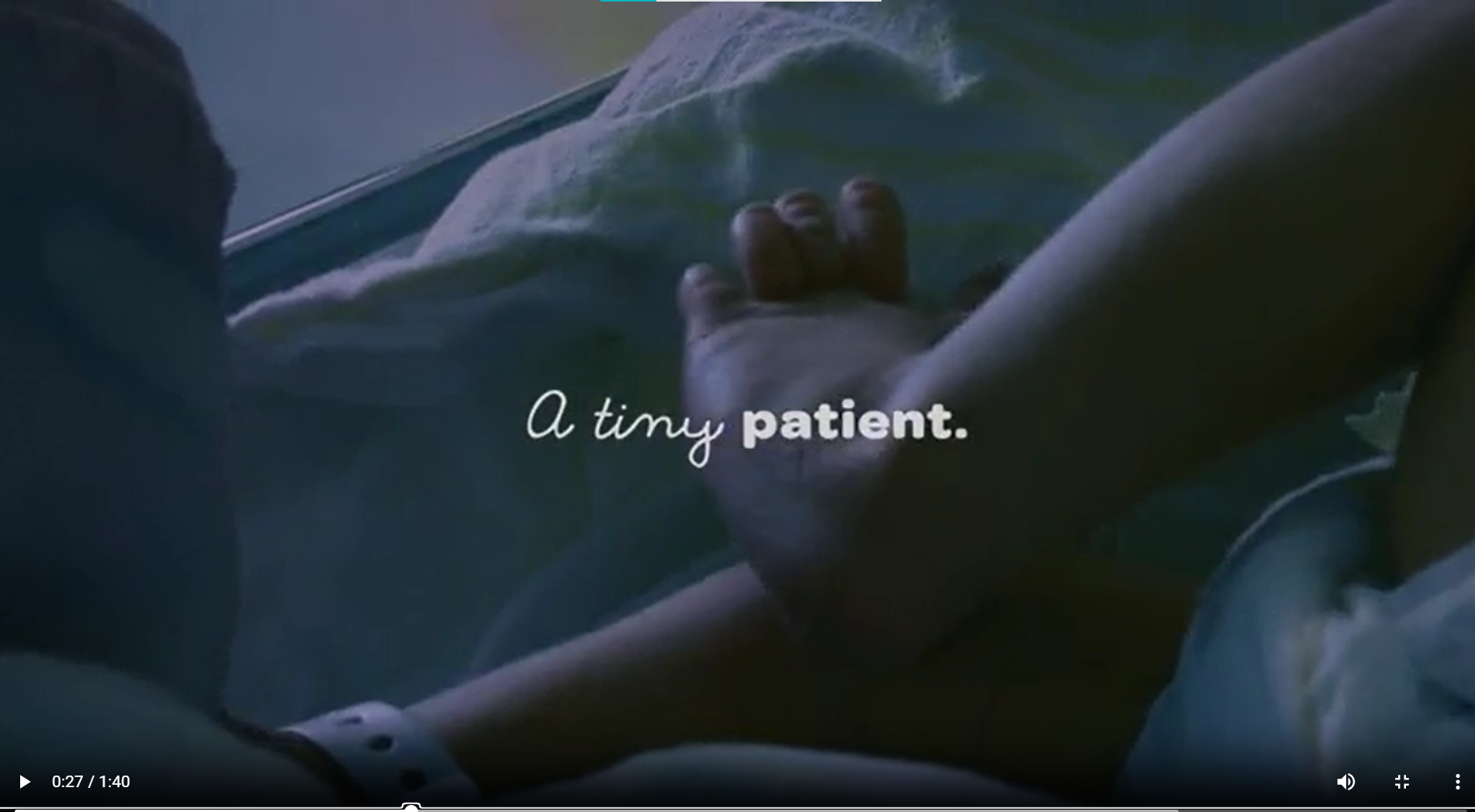
Huggies makes products for new parents. The people it never talked about were the ones keeping newborns alive. The campaign went inside neonatal wards and gave voice to NICU nurses and caregivers — the emotional labour behind closed doors that parents rarely see and brands never touch. Real stories, honest vulnerability, no sentimentality. It elevated Huggies from a product in the nappy aisle to a partner in the hardest moments of early parenthood. The unsung hero wasn't borrowed for credibility. They were the point.
Under Armour's 'Rule Yourself' (Droga5, 2017) showed Phelps training alone in the dark — ice baths, empty pools, no crowd — making the repetition the drama. The Mondrian Singapore's 'Provocateurs Welcome' (Stig&Xi, 2024) profiled its hotel staff with bold portraiture and sharp interviews, repositioning hospitality as an act of personality. Nike's 'Humble Beginnings' (Wieden+Kennedy, 2020) told athletes' origin stories — muddy pitches, underfunded teams, kitchen-table coaches — to make greatness feel grown, not gifted. Credit the people the brand depends on. They're the most credible thing you have.