

FightTheStroke · DUDE Milano · Italy · October 2026
In 'A Truly Cerebral Campaign', DUDE Milano turns the camera on a creative team trying to explain the condition in 30 seconds, and lets every person they meet in casting unpick the script a little more. Then FightTheStroke hands the industry the fix: an archive of people to cast.
The Challenge
Cerebral palsy is one umbrella term for conditions that affect movement, posture, communication and independence in very different ways. After a 2025 manifesto film introduced the condition, FightTheStroke's brief for year two was to make it recognisable by showing its many forms.
What They Did
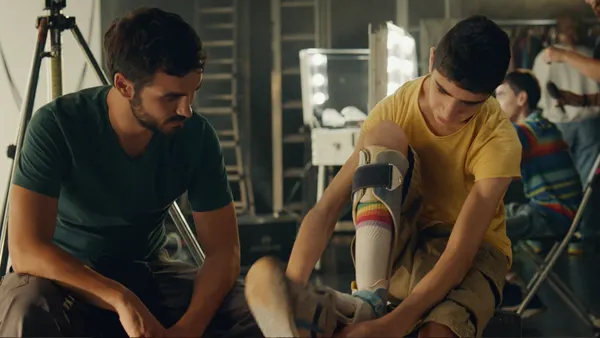
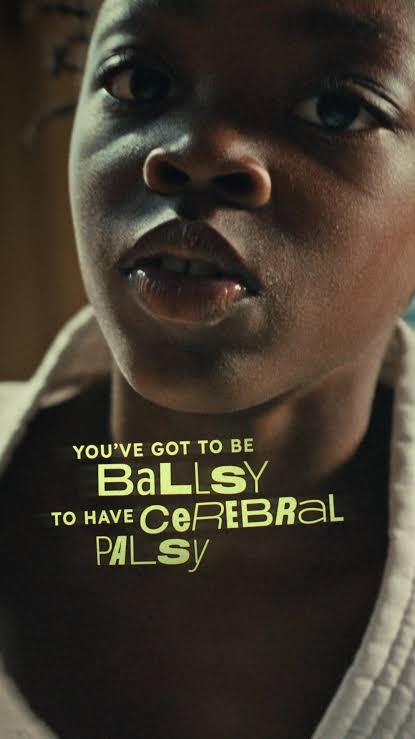
Directed by Tommaso Pitta, the film follows a creative team handed an impossible brief: define cerebral palsy, clearly and finally, in 30 seconds, within a week. Their tidy one-line definition doesn't survive the casting studio, where real people with the condition each add something new. The whiteboard fills with caveats until the team concludes, deadpan, that they might need a smaller font. The second phase asks people with cerebral palsy worldwide to send self-tapes showing what they can do, tagged #TrulyCerebral. The entries build the Truly Cerebral Casting Archive for agencies, brands and casting directors.
Why It Works
Disability awareness ads usually pick one representative face and hope it stands for everyone. FightTheStroke makes the impossibility of that the story. The audience learns what the creatives learn, at the same speed, which persuades better than being told. And the film doesn't end on a hashtag and a hope. It ends with a tool aimed at the people who keep casting one face: us.
Creative Deviance: Provocation
Awareness films cast one face to stand for a condition. FightTheStroke films an agency failing to find that face. The provocation comes from a genuine cultural truth, not shock: the industry's habit of reducing a condition to one look is the problem, and the joke is on the industry. Because the people watching are the people doing the casting, the provocation has somewhere useful to land.
The Tactic
Smash Stereotypes → Replace the Representation System
What to Steal
Laugh at yourself before you ask anyone else to change. The creatives in the film are the butt of the joke, which earns DUDE Milano the right to ask its own industry to cast differently. When a campaign needs people to change a habit, showing your own clumsiness first makes the request easier to hear.
The Question That Could Get You There
Which everyday rule, tool or symbol keeps teaching the bias?
Or, more pointedly: what does our industry reach for every time it gets this wrong, and what could we hand it instead?